Slow train through the Dales: an autumn weekend on the Settle to Carlisle line
Seventy-two miles, 14 tunnels, 20 viaducts and not a single reason to hurry, on the railway that nearly closed and is now the finest in England
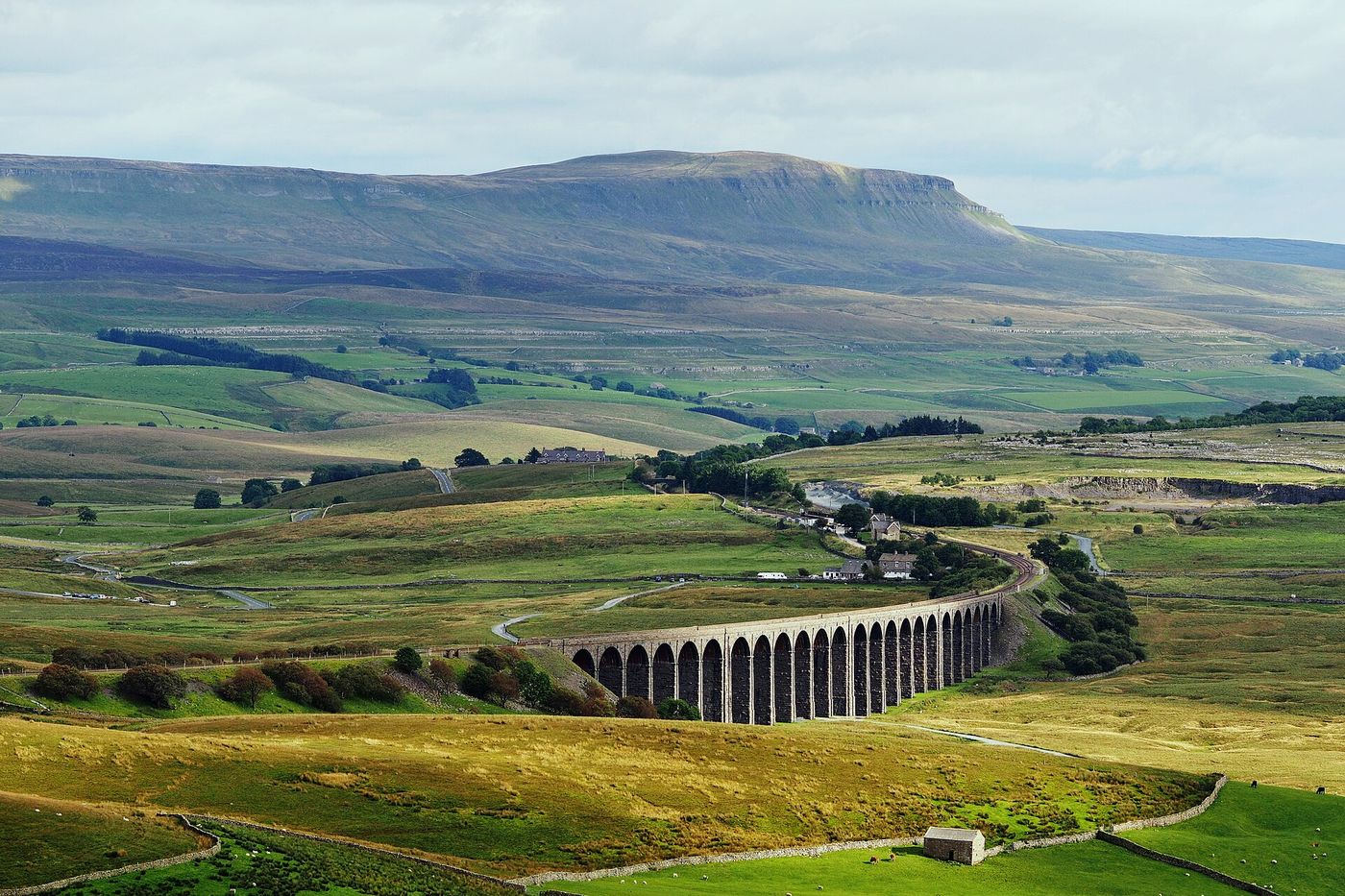
There is a moment, about 40 minutes out of Settle, when the train slows almost to walking pace on a long curve, the moorland falls away on both sides and the Ribblehead viaduct appears ahead like something left behind by a vanished civilisation. Twenty-four arches, 104 feet high, a quarter of a mile long, built by hand in the 1870s by men who lived in shanty towns on the bog and died in large numbers doing it. The whole carriage stands up. Someone’s child says “whoa”. The train crosses, and you look down, and you understand why they fought for 20 years to keep this line open.
The Settle to Carlisle railway very nearly closed in the 1980s, condemned as uneconomic, and was saved by a campaign that combined local stubbornness with the stubbornness of railway enthusiasts, which is a formidable alliance. Today it carries about a million passengers a year, most of them for the scenery, and in October, when the bracken has turned rust and the first snow sometimes dusts the top of Whernside, it is the most beautiful public transport journey in England.
I began on a Friday afternoon in Settle, a market town of grey stone and good bakeries whose station has been restored to something close to its Victorian state, hanging baskets and all. The town rewards an hour: the Folly, a 17th-century house of improbable grandeur, is now a small museum and cafe. I stayed at Lonsdale House, a four-room B&B above a bookshop, where the owner, Martin Fell, told me the early departure to Carlisle “is the one everybody takes and is the one you want”.
He was right. The 8.49 on Saturday was half full of walkers with poles and flasks, and climbed steadily through Horton-in-Ribblesdale to Ribblehead and then into Blea Moor tunnel, a mile and a half of darkness that emerges on to the roof of the Pennines. Dent, the highest mainline station in England, sits four miles and 600 feet above the village it is named after; a woman in my carriage got off there with a dog and was the only person who did. Then the long descent down the Eden valley, broad and green and ringed with fells, past Appleby’s red sandstone castle and into Carlisle before 11.
Carlisle deserves more than the hour most people give it before turning round. The cathedral, small and lopsided after Cromwell’s troops stole most of the nave for barracks, has a painted ceiling of extraordinary blue and gold that stops you in the aisle. The Tullie House museum tells the story of the border, which is a story of 400 years of cattle theft, with admirable relish.
The return in late afternoon is the better direction for light. The low sun comes in from the west across the Eden, turning the drystone walls gold and the river to pewter, and by the time the train climbs back on to the moor at Ais Gill the fells are blue-black against an orange sky. I broke the journey at Kirkby Stephen for a night at the King’s Arms, then came back to Settle on Sunday morning in rain so heavy the viaduct was a grey suggestion. It was still worth standing up for.
The essentials: trains run roughly every two hours in each direction; an off-peak day return from Settle to Carlisle costs about £28. Lonsdale House, Settle, from £95 a night; the King’s Arms, Kirkby Stephen, from £80. The Settle-Carlisle Railway Trust runs volunteer-staffed guides on most weekend trains; ask them anything.
Sign up to First Edition
Our morning email breaks down the key stories of the day, telling you what's happening and why it matters.
Privacy notice: newsletters may contain info about charities, online ads and content funded by outside parties.