
Shropshire to close four village primaries as rolls fall by a fifth
Schools in the south of the county have fewer than 40 pupils each and one has a reception class of two; parents say the closures will finish the villages
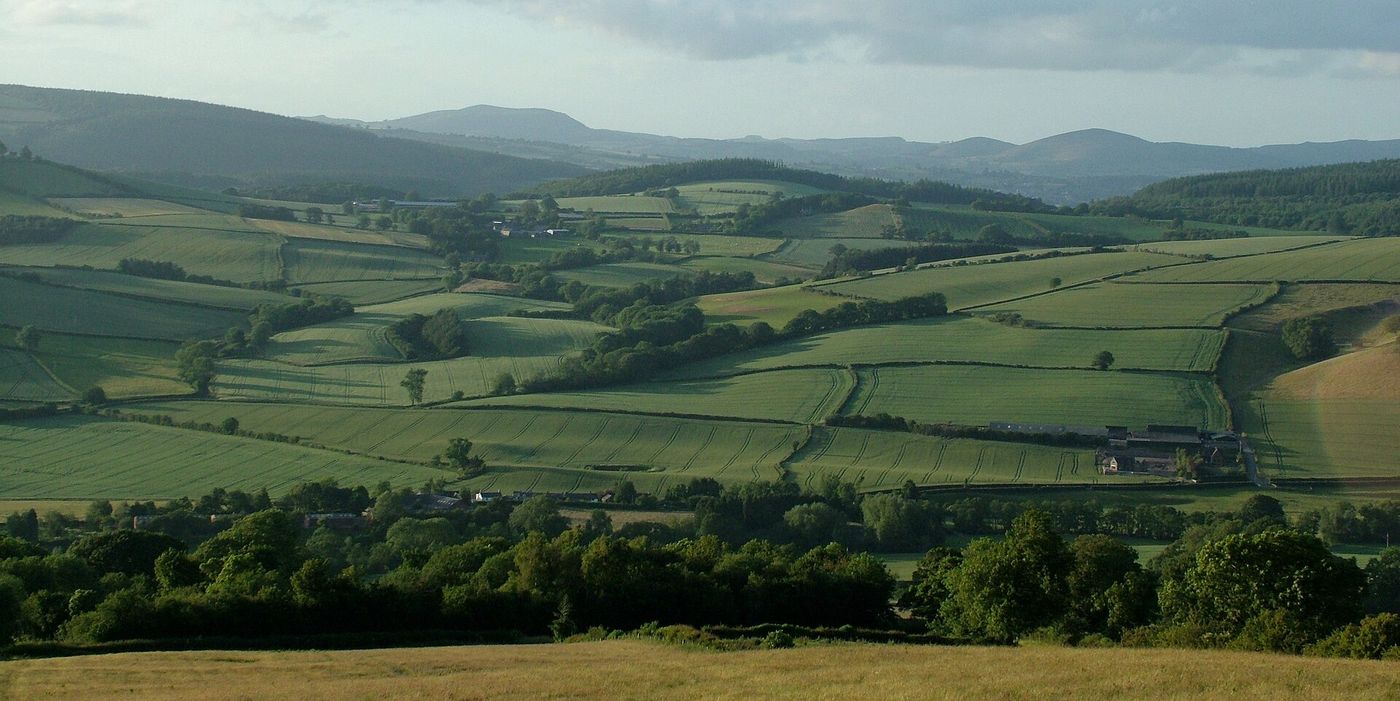
Four village primary schools in south Shropshire will close next summer after the county council voted on Thursday to merge them into larger schools up to eight miles away, in a decision that councillors said was forced by a 20% fall in the number of primary-age children in the area since 2018.
The schools, at Clunbury, Lydbury North, Hopton Wafers and Stottesdon, have between 24 and 39 pupils each and are forecast to shrink further. Clunbury, which was built in 1872 and has had a school on the site since then, has a reception class of two this year. The council says the four schools together cost £1.9m a year, or £6,100 a pupil, against the county average of £4,400, and that each has run a deficit for at least three years.
Shropshire’s birth rate has fallen faster than almost any county in England, and the council’s projections show the number of four-year-olds in the south of the county falling by a further 12% by 2031. The county has 128 primary schools, 41 of them with fewer than 60 pupils, and the council has warned that this week’s closures will not be the last.
“No one wants to be the councillor who closes a school that has been in a village for 150 years,” said Rosalind Mear, the council’s cabinet member for children. “But a school with two children in reception cannot give them a class. It cannot give them a football team or a choir or a friend who is not their cousin. We are not closing these schools to save money, though we will. We are closing them because they have stopped being able to do what a school is for.”
Parents at the four schools, who collected 3,400 signatures against the plan and filled the council chamber on Thursday, dispute that. Emma Pryce, whose two children attend Clunbury and who chairs its parents’ group, said the small classes were the point. “My son has 11 in his class and a teacher who knows which of them had breakfast,” she said. “From September he will be in a class of 30 in Craven Arms, 40 minutes on a bus each way, and the village will have a school building for sale and a shop that loses the school run. We know how this goes. Hopesay lost its school in 2009 and now it has nothing.”
The council will provide free transport to the receiving schools at Craven Arms, Bishop’s Castle, Cleobury Mortimer and Kinlet, at a cost of £180,000 a year. It has promised that the four buildings will be offered to their parish councils for community use before being sold.
Headteachers at the receiving schools said they had capacity; Craven Arms, with 180 pupils, has 60 empty places. The diocese of Hereford, which is responsible for three of the four closing schools as Church of England foundations, did not oppose the plan but said it was “a loss to each village that will not be recovered”.
The decision can be referred to the schools adjudicator by any of the governing bodies within four weeks. Clunbury’s governors met on Friday night and voted to refer it.
Sign up to First Edition
Our morning email breaks down the key stories of the day, telling you what's happening and why it matters.
Privacy notice: newsletters may contain info about charities, online ads and content funded by outside parties.

