AI triage cut GP appointment waits by a third in pilot but flagged one in 12 patients wrongly
Independent evaluation of a 180-practice trial finds the software sent most patients to the right place faster, while routing some with serious symptoms to pharmacists or self-care
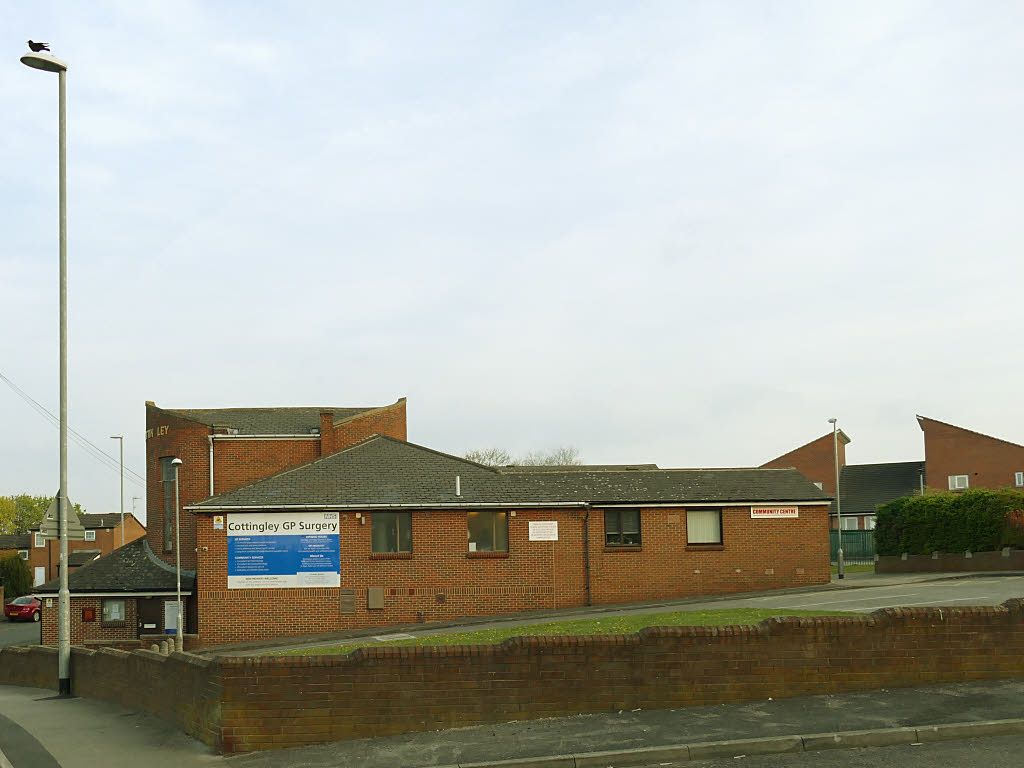
An artificial intelligence system used to sort requests for GP appointments reduced the average wait for a consultation from 9.1 days to 6.2 in a year-long pilot across 180 practices in England, according to an independent evaluation published on Friday, but it directed about 8% of patients to a lower level of care than a clinician would have chosen.
The study, led by researchers at the University of Manchester and funded by the National Institute for Health and Care Research, is the largest assessment yet of software that is already in use in about one in six English practices. Patients submit symptoms through an online form or by phone; the system assigns an urgency rating and proposes a route, such as a same-day GP call, a routine appointment, a pharmacist, a physiotherapist or self-care advice, which a receptionist or nurse then confirms.
Across 2.1m requests, the software agreed with a panel of GPs reviewing a sample of cases 84% of the time. In 8% of cases it proposed a less urgent route than the clinicians, and in the remaining 8% a more urgent one. The researchers identified 214 cases in which patients with symptoms later found to indicate cancer, sepsis or a cardiac event were initially offered a pharmacy or self-care route. In all but 19 of these the error was caught by practice staff before the patient was affected.
“The headline is that it works, and the footnote is that the footnote matters,” said Professor Ian Oyelaran, who led the evaluation. “This is not a system that should ever run without a human in the loop. Where practices treated it as a suggestion, it was excellent. Where overstretched staff clicked through, that is where the misses were.”
Patients’ experience was mixed. Satisfaction with access rose in 71% of participating practices, and the number of people calling at 8am to compete for appointments fell by more than half. But 23% of patients over 75 said they found the online form difficult, and the proportion of requests from the most deprived areas fell slightly relative to the least deprived, which the researchers said needed “urgent attention”.
In Oldham, Dr Nasima Rahim, a partner at a practice of 14,000 patients that took part, said the system had “given us back the mornings”. “Before, the phones were an arms race and the people who won were the people who could redial fastest,” she said. “Now I can see who actually needs me today. What I will not do is let the receptionist accept the computer’s word for a chest pain. That is in our protocol in capital letters.”
The Royal College of GPs welcomed the findings but said the 8% figure was “not a footnote in a system handling 300 million appointments a year”. The Medicines and Healthcare products Regulatory Agency confirmed that triage software of this kind is regulated as a medical device and that two products had been required to make changes following safety reports.
The Department of Health and Social Care said the evaluation supported its plan to offer online triage in every practice by 2027 and that the government would publish mandatory safety standards for the software early next year.
Sign up to First Edition
Our morning email breaks down the key stories of the day, telling you what's happening and why it matters.
Privacy notice: newsletters may contain info about charities, online ads and content funded by outside parties.