Army strength falls below 70,000 as MPs warn recruitment overhaul is ‘years behind’
Defence committee says the forces lost 15,400 trained personnel last year and gained 12,100, with the average wait from application to basic training still over 200 days
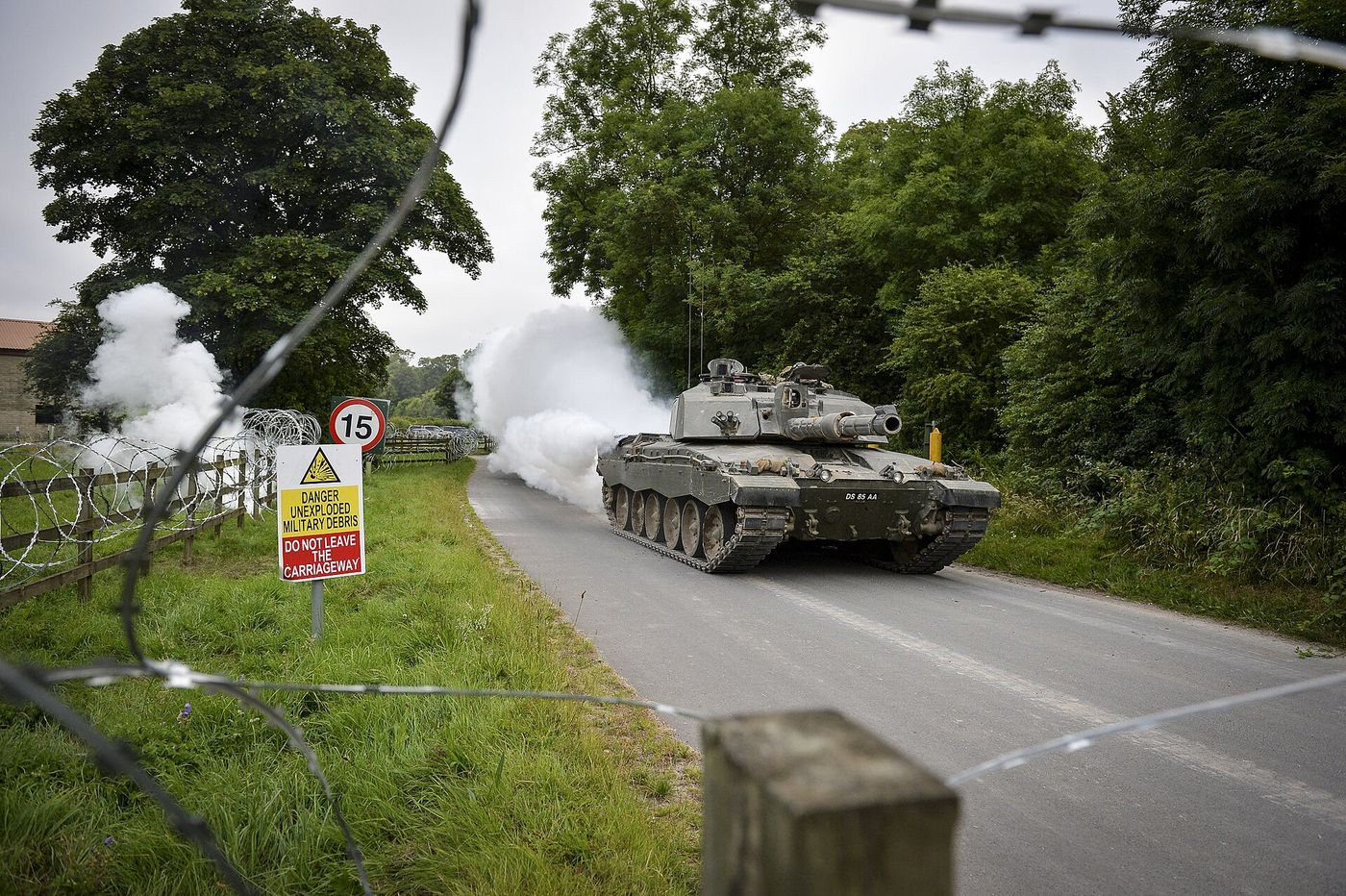
The British army has fallen below 70,000 trained regular soldiers for the first time since the Napoleonic era, according to a report by the Commons defence committee that describes the armed forces’ recruitment system as “years behind where it was promised to be”.
Ministry of Defence figures cited in the report put the trained strength of the regular army at 69,700 in July, against an establishment of 73,000, with the Royal Navy and RAF also below target. Across all three services, 15,400 trained personnel left in the year to June and 12,100 joined, the ninth consecutive year in which outflow has exceeded intake.
The committee found that the median time from a candidate submitting an application to beginning basic training was 207 days, and that 42% of applicants dropped out during the wait. A new tri-service recruitment organisation intended to replace the army’s outsourced contract was supposed to be fully operational by 2025 but is not expected to reach that point until 2027. Medical screening remains the largest single cause of delay, with candidates rejected or deferred for childhood asthma, acne medication and historical mental health referrals.
“We are turning away a 19-year-old who used an inhaler when he was six, and then wondering why we cannot fill a battalion,” said the committee’s chair. “The services say they have fixed this. The numbers say they have not.”
The report arrives as the government commits to raising defence spending to 2.6% of GDP by 2027 and sets a target of 3% in the next parliament, with much of the additional money earmarked for munitions, drones and the nuclear deterrent. The committee argues that none of that is useful without people to operate it, and notes that the army’s reserve, meant to provide depth, is also 7,000 short of its target.
Retention is as serious a problem as recruitment. Exit surveys show that the most common reasons for leaving are the impact on family life, poor service accommodation and a sense that pay has fallen behind civilian equivalents. About a third of service family homes have been rated as needing major repair, and a programme to buy back the estate from a private landlord has yet to deliver new housing.
“I joined at 17 and I loved it,” said a corporal in the Royal Logistic Corps who left in May after 12 years and asked not to be named. “Then I had kids. The quarter had mould in the bathroom for eight months. My wife was on her third job in six years because we kept moving. A haulage firm in Doncaster offered me £6,000 more and I am home every night. It was not a hard decision.”
The MoD said recruitment had risen 19% in the past year, that the forces had cut the average time to enlist by “more than a month” and that it was reviewing medical entry standards. It did not dispute the headline figures.
Sign up to First Edition
Our morning email breaks down the key stories of the day, telling you what's happening and why it matters.
Privacy notice: newsletters may contain info about charities, online ads and content funded by outside parties.