Manchester bus passenger numbers rise 14% as franchising spreads to five more regions
Three years after Greater Manchester took back control of its buses, journeys have climbed to 190m a year and fare income is covering a larger share of costs than forecast
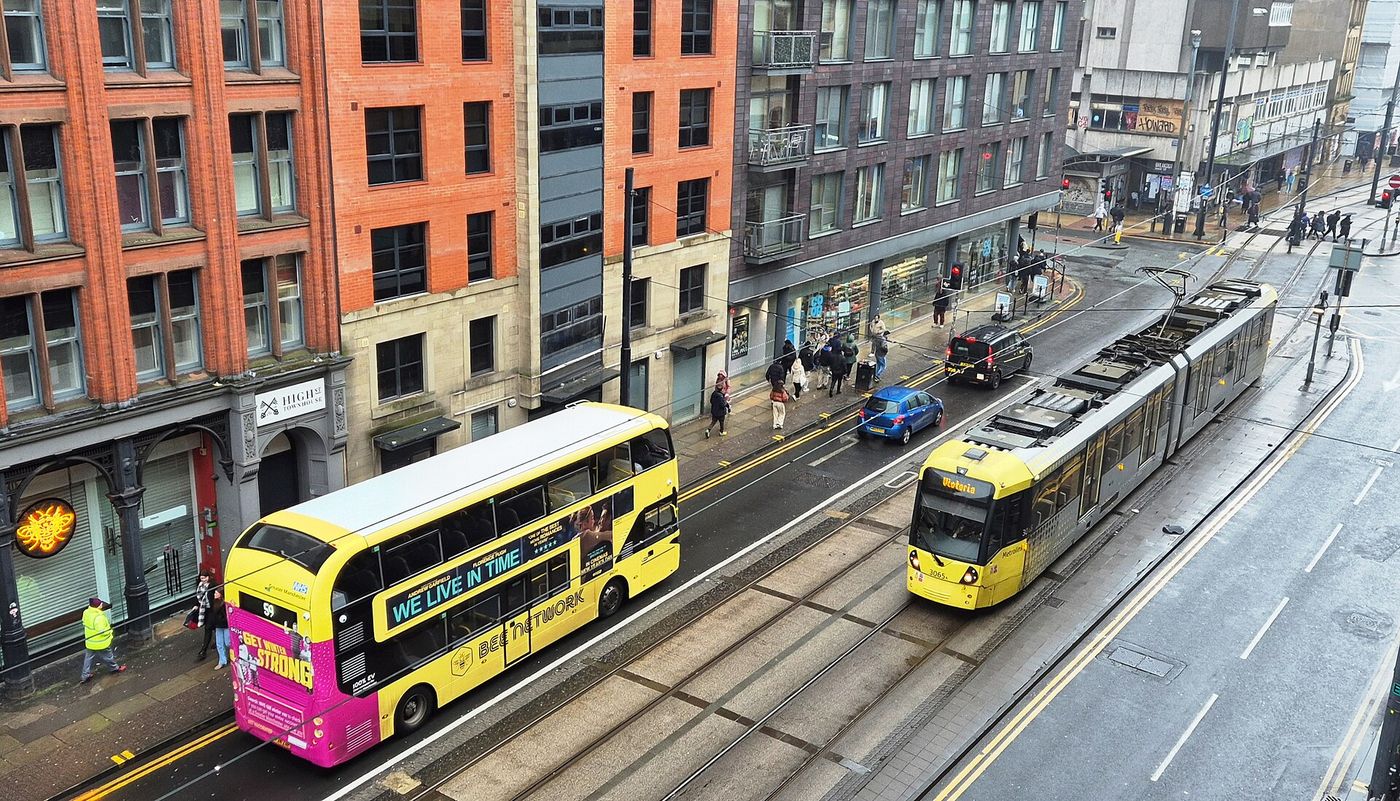
Bus journeys in Greater Manchester have risen by 14% since the region brought its network back under public control, according to figures published on Friday, as five more parts of England prepare to follow its lead.
Transport for Greater Manchester said 190m passenger journeys were made on the Bee Network in the 12 months to September, up from 167m in the final year before franchising began in 2023. Punctuality has improved from 69% to 81% of services running on time, and the number of journeys cancelled because of driver shortages has fallen by two-thirds.
The figures will embolden West Yorkshire, Liverpool City Region, South Yorkshire, the West Midlands and the new North East combined authority, all of which have confirmed they will take control of their first routes between next spring and 2028. Under franchising, the regional authority sets fares, routes and timetables and pays private operators a fixed fee to run the services, reversing the deregulation of 1986.
“The argument used to be that this would bankrupt us,” said the Greater Manchester mayor’s transport lead, Cllr Farah Siddiqui. “Fare income is now covering 71% of operating costs, against the 64% we budgeted for. More people on buses means more money in the box. That is not ideology, it is arithmetic.”
The improvement has not been free. The combined authority has spent £137m from its devolved budget on the network since 2023, including the purchase of 50 depots and more than 1,000 vehicles, and a £2 single fare cap has been held in place with a subsidy that will cost £28m this year. Critics point out that patronage across England as a whole has also recovered since the pandemic, by about 9% over the same period.
Operators that lost contracts have been more measured. A spokesperson for one of the large bus groups said franchising “works where there is a large, dense urban market and a well-funded authority to carry the risk”, and warned that rural counties examining the model “should look very hard at who pays when the numbers do not come in”.
Passengers in Oldham, where the first franchised routes started, were less equivocal. “The 409 used to be a rumour,” said Gail Pemberton, 58, a care worker waiting at Mumps interchange. “Now it turns up. I can see it on the app, it is the same price whichever bus I get on, and the driver does not argue with you about the ticket. That is all anyone wanted.”
The Department for Transport said the government’s bus services act, which came into force in June, had removed the requirement for authorities to seek ministerial consent before franchising, and that it expected “the majority of urban England” to be covered by franchised or municipal networks by the end of the decade.
Sign up to First Edition
Our morning email breaks down the key stories of the day, telling you what's happening and why it matters.
Privacy notice: newsletters may contain info about charities, online ads and content funded by outside parties.