Whitehall misses target to move 22,000 civil service jobs out of London
Only 14,600 posts have been relocated under the Places for Growth programme, with Darlington, Leeds and Glasgow accounting for half of them
The government has missed its target of moving 22,000 civil service jobs out of London by 2027, with a progress report published on Friday showing that 14,600 posts have been relocated and that several departments have quietly increased their headcount in the capital.
The Places for Growth programme, launched in 2020, was intended to move a fifth of London-based policy roles to regional hubs and to ensure that half of senior civil servants worked outside the capital by 2030. The report, slipped out by the Cabinet Office before a Commons recess, shows the senior figure at 29%.
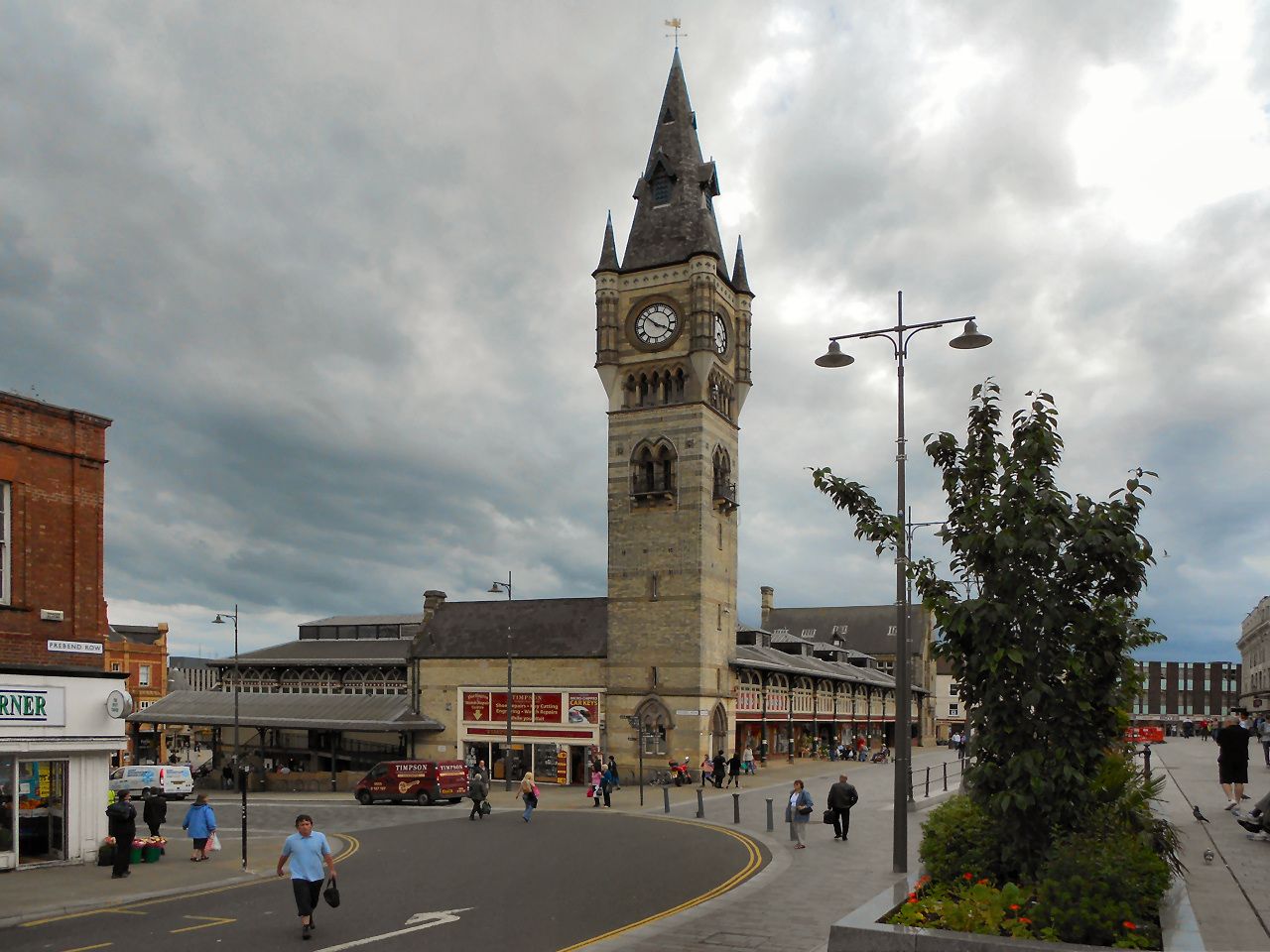
Three cities account for about half the moves: Darlington, where the Treasury’s economic campus now employs 1,350 staff; Leeds, which houses large parts of the Department of Health and Social Care and NHS England; and Glasgow, where the Foreign Office and the Cabinet Office share a building. Other promised hubs, including Wolverhampton, Stoke and Peterborough, have fewer than 400 staff each.
“The programme has done well where a department committed a whole function and a senior director to a place,” said Professor Angela Whitmore of the Institute for Government. “It has done badly where it meant a few desks and a hot-desking policy. Civil servants are not stupid. They can tell when the career ladder is still in SW1.”
The report shows that the Home Office, the Department for Business and Trade and the Ministry of Justice all employed more staff in London in March than they did in 2020, despite moving some roles out. Officials attribute part of the rise to the growth of the civil service overall during the pandemic and to the creation of new units dealing with migration and trade.
Union leaders said the figures reflected a programme that had been “designed for a press release and run on a shoestring”. The FDA union, which represents senior officials, said members moved to regional hubs reported being asked to travel to London for meetings “two or three days a week at their own inconvenience”, and that promotions remained concentrated in departments’ Whitehall headquarters.
In Darlington, where the Treasury’s arrival has been credited with a rise in town centre footfall and the opening of two co-working spaces, the council leader, Cllr Marian Teasdale, said the programme had been transformative where it had actually happened. “We have graduates who would have left for London staying here, buying houses, having children,” she said. “Every town that was promised a hub and got a plaque should be angry.”
The Cabinet Office said the programme had “fundamentally changed where government is done” and that a new target would be set alongside the spending review next year. It confirmed that the government intends to sell or surrender a further 11 London office buildings by 2030.
Sign up to First Edition
Our morning email breaks down the key stories of the day, telling you what's happening and why it matters.
Privacy notice: newsletters may contain info about charities, online ads and content funded by outside parties.