
Jodrell Bank astronomers trace fast radio burst to a dead galaxy, upending theories of their origin
The millisecond flash came from a galaxy with no young stars, ruling out the magnetar explanation for at least some bursts
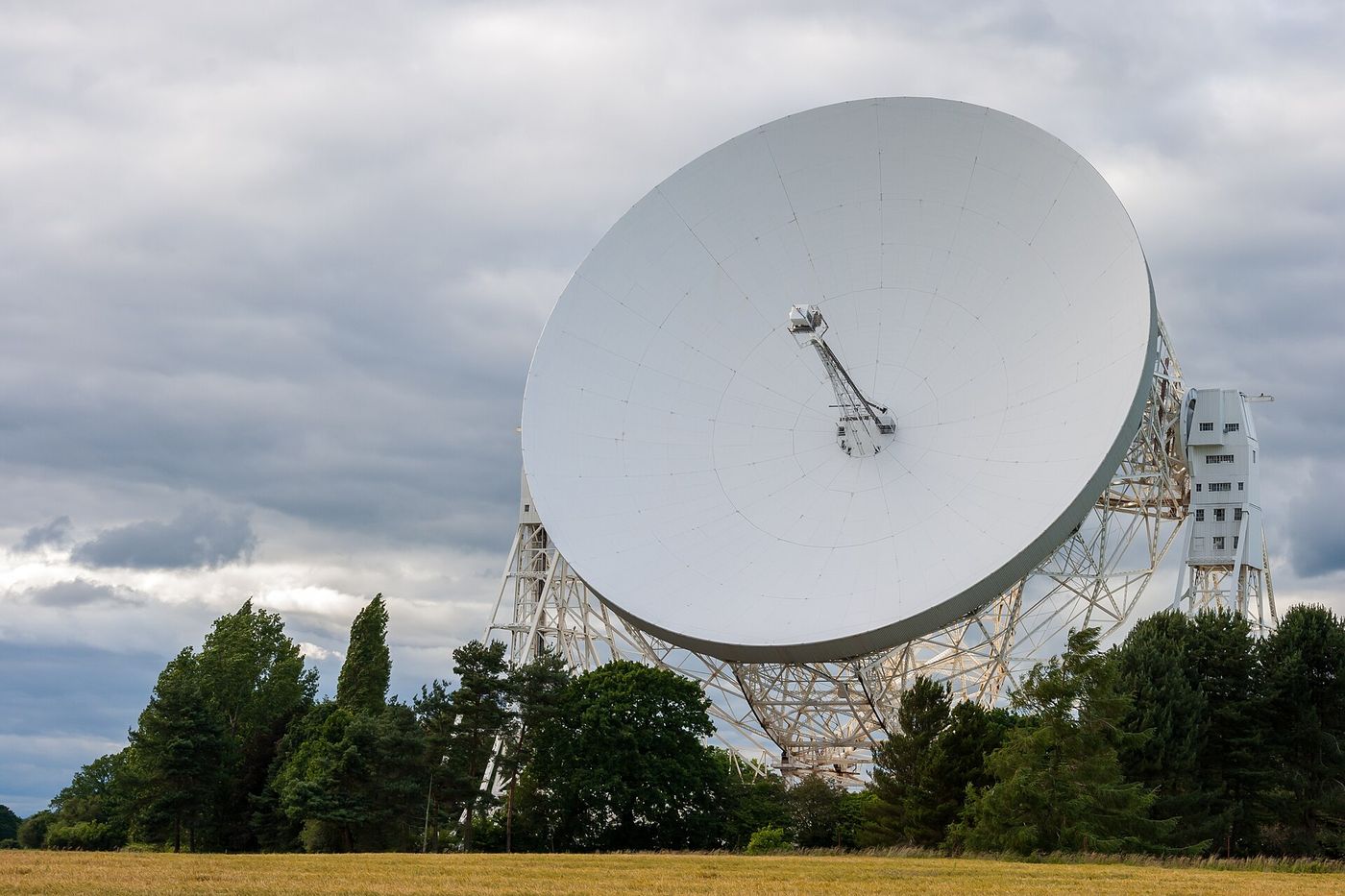
Astronomers at Jodrell Bank have traced a fast radio burst, one of the brief and intensely powerful flashes of radio waves that have puzzled physicists for two decades, to a galaxy with no star formation at all.
The finding, published on Thursday, is a problem for the leading explanation. Most bursts are thought to come from magnetars, the highly magnetised remnants of young massive stars. A galaxy that stopped making stars billions of years ago should not have any.
“Either this burst has a different engine, or magnetars can form in ways we do not understand,” said the lead author. “Both would be interesting.”
The team used the Lovell Telescope together with an array of smaller dishes across England to locate the source to within a few hundred light years.
Sign up to First Edition
Our morning email breaks down the key stories of the day, telling you what's happening and why it matters.
Privacy notice: newsletters may contain info about charities, online ads and content funded by outside parties.