Councils send dental vans to ‘dentistry deserts’ as a quarter of adults give up on NHS care
Mobile clinics will tour Norfolk, Lincolnshire and Cornwall after a survey found 26% of adults who tried to get an NHS appointment in the past two years failed
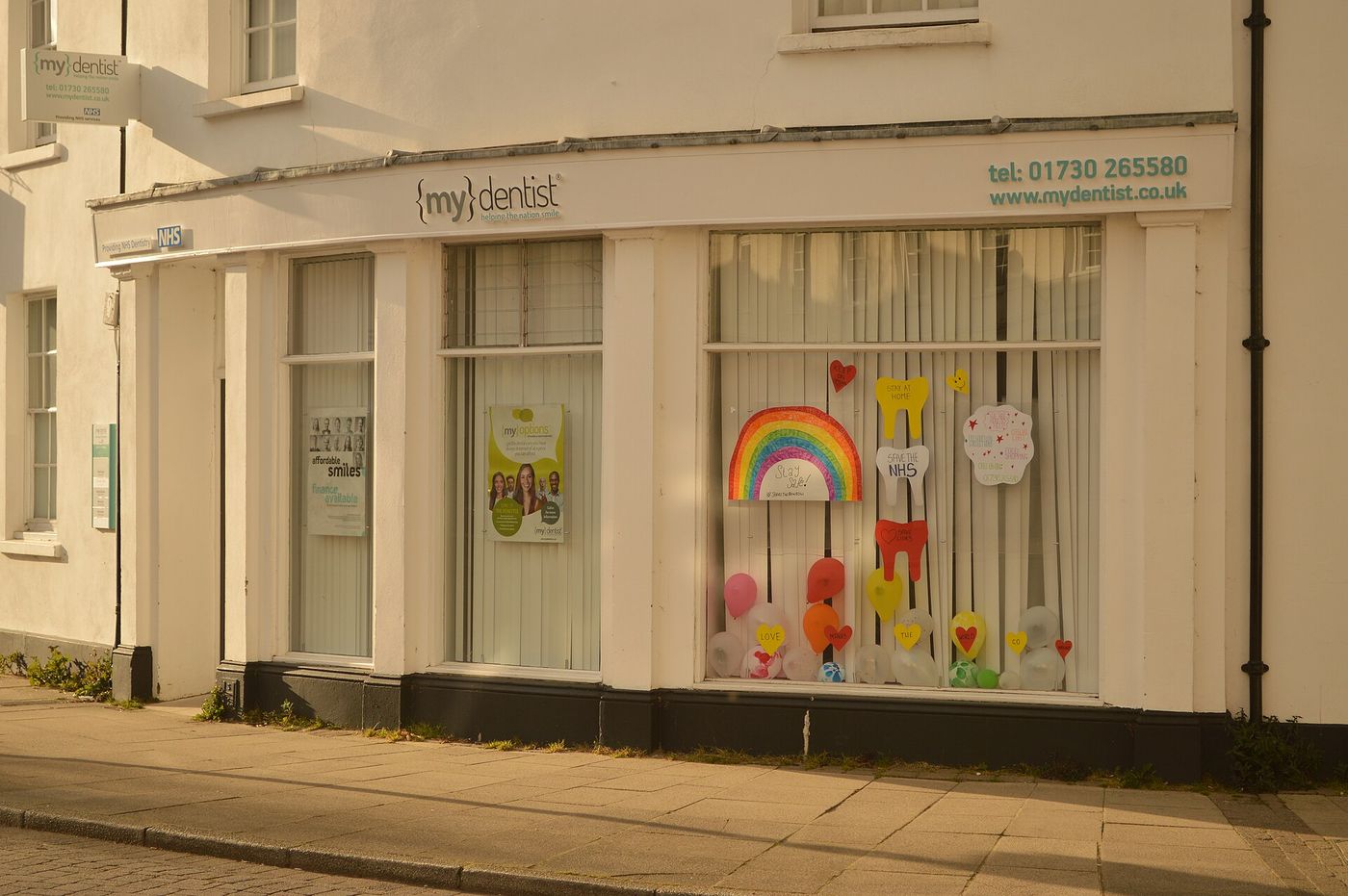
Three county councils will begin operating mobile dental clinics from next month after a national survey found that one in four adults who tried to see an NHS dentist in the past two years were unable to, with the figure rising to 44% in parts of the east of England and the south-west.
The vans, each fitted with a single surgery and staffed by a dentist and a nurse, will tour market towns and coastal villages in Norfolk, Lincolnshire and Cornwall where no practice is accepting new NHS patients. Each is expected to see about 20 patients a day, prioritising children, pregnant women and people in pain. The first three vehicles have been funded by NHS integrated care boards at a cost of £420,000 each, with running costs of roughly £310,000 a year.
The survey, carried out for the regulator Healthwatch England, found that 26% of adults who sought an NHS appointment had failed, up from 21% in 2023. Among those who did not try, 38% said they had assumed it would be pointless. One in nine respondents said they had carried out some form of dental treatment on themselves, most commonly pulling a tooth or using a temporary filling kit.
“Lowestoft has not had a practice taking NHS adults since 2021,” said Dr Fiona Nkemelu, a dentist who will run the Norfolk van. “People come to the hospital with abscesses that should have been a routine filling two years ago. A van is not a solution. It is triage. But triage is better than the A&E department, and that is where these people are going now.”
The dispute at the heart of the shortage is the NHS dental contract, which pays practices for units of dental activity and has been described by the profession as unworkable since it was introduced in 2006. The government has promised a rewritten contract from April 2027, with higher payments for treating patients with the greatest need and a requirement that dentists trained at public expense work in the NHS for at least three years after qualifying.
The British Dental Association said the mobile clinics were “a symptom, not a cure”, and pointed out that the number of dentists doing any NHS work in England had fallen by about 1,500 since 2020. “Councils are buying vans because the system has stopped working,” a spokesperson said. “You would not run a mobile GP service because every surgery in the county had gone private.”
In Mablethorpe, where the last NHS practice closed in 2022, Dennis Rowbotham, 74, said he had driven 48 miles to Grantham for his last check-up and had since stopped going. “I have had two teeth out at home with a bit of thread,” he said. “My father did the same in the 1950s. I did not think I would be doing it in 2026.”
The Department of Health and Social Care said 1.7m additional urgent appointments had been delivered since 2024 and that the new contract would “make NHS dentistry a career worth having again”.
Sign up to First Edition
Our morning email breaks down the key stories of the day, telling you what's happening and why it matters.
Privacy notice: newsletters may contain info about charities, online ads and content funded by outside parties.