Port Talbot’s electric arc furnace slips to 2028 as grid connection stalls
The owner of the south Wales steelworks says it cannot run the new furnace at full power until a 275kV substation is complete, pushing first steel back by at least nine months
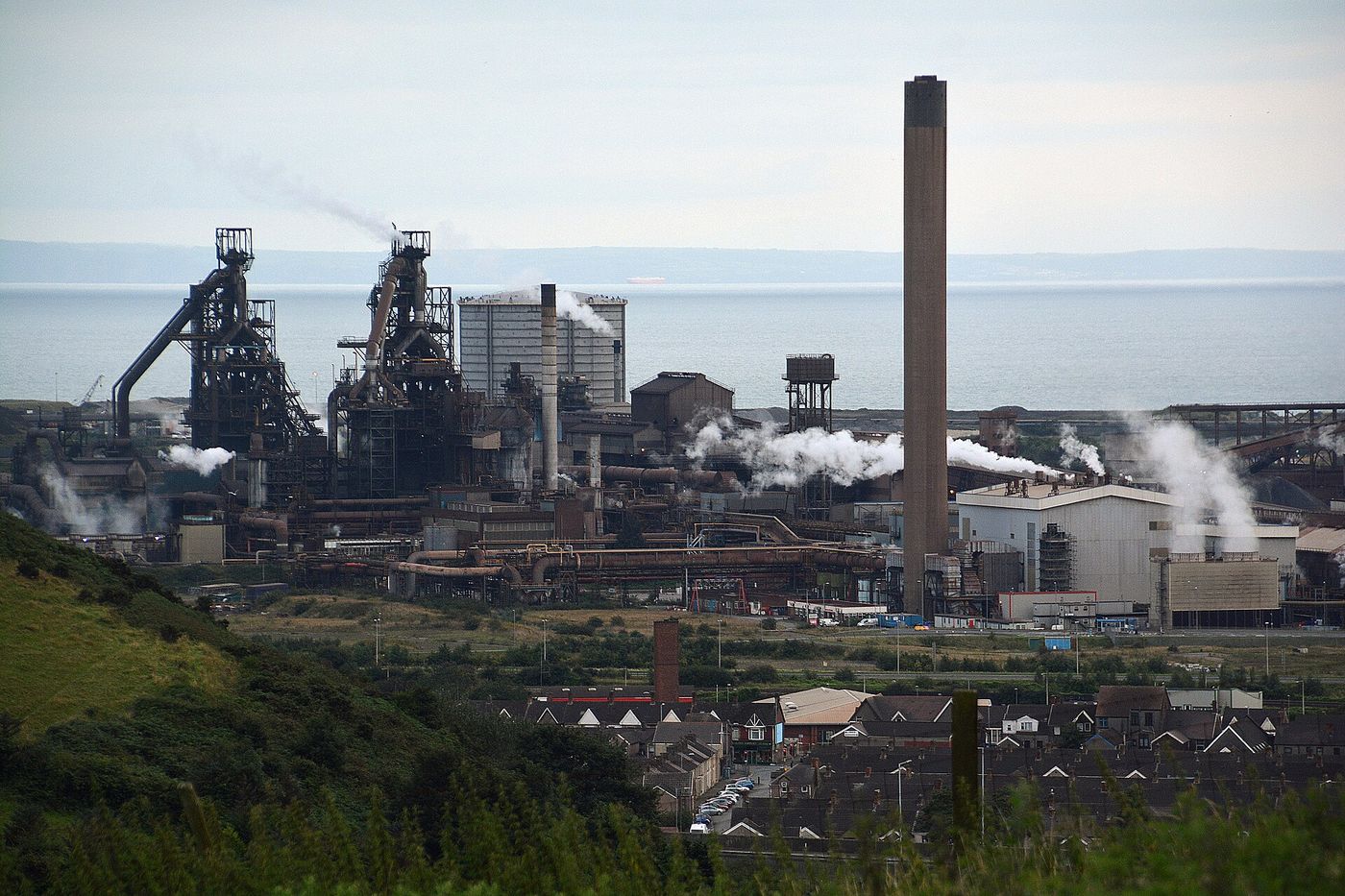
The electric arc furnace that is meant to return steelmaking to Port Talbot will not produce steel at full capacity until the second half of 2028, nine months later than planned, after the plant’s owner told the Welsh and UK governments that a grid connection needed to power it will not be ready in time.
The £1.25bn furnace, of which £500m is being paid by the UK taxpayer, was due to begin commissioning late next year and to reach its planned output of 3m tonnes a year by the end of 2027. The company said this week that the civil engineering was on schedule but that a new 275kV substation being built by the transmission operator had been delayed by planning conditions and a shortage of transformers.
The furnace will draw up to 400 megawatts when operating, roughly the demand of a city the size of Cardiff, and cannot run on the existing connection that served the two blast furnaces closed in 2024. About 2,800 jobs were lost when the blast furnaces shut; the arc furnace is expected to employ about 2,000 when running, and the site has been importing slab steel for its rolling mills in the interim.
“Every month this slips is another month of steel coming in on a ship from the Netherlands and India to be rolled here, and another month of people wondering whether the jobs they were promised will exist,” said Darren Pugh, the Community union’s senior representative at the works. “We were told the grid was sorted. Somebody needs to explain to this town why it was not.”
The Welsh government said it was “deeply frustrated” and had asked the UK energy secretary to intervene. The transmission operator said the substation had been approved in May after a 14-month planning process and that it was “working to recover the programme”, but that the lead time on large transformers had risen to more than three years as grid operators across Europe compete for the same equipment.
The delay is embarrassing for ministers who have made Port Talbot the centrepiece of a steel strategy that also includes the nationalised plant at Scunthorpe and £2.5bn in support for the sector. The strategy depends heavily on electric furnaces, which produce roughly a quarter of the carbon emissions of blast furnaces but need very large, reliable power supplies and electricity prices that remain among the highest in Europe for industrial users.
“The UK has decided to decarbonise steel by electrifying it, and then discovered that it cannot build grid infrastructure in less than five years,” said Dr Siân Pritchard, an energy economist at Cardiff University. “Port Talbot is the test case. If it cannot be connected on time with the whole weight of two governments behind it, nobody else will believe their own timetables either.”
The company said it remained committed to the project and would not cut further jobs as a result of the delay. The Department for Business and Trade said it was “in close contact with all parties” and that the government’s planning reforms would “prevent delays of this kind in future”.
Sign up to First Edition
Our morning email breaks down the key stories of the day, telling you what's happening and why it matters.
Privacy notice: newsletters may contain info about charities, online ads and content funded by outside parties.