Reservoirs at 58% as water firms warn hosepipe bans may last into winter
Six months of below-average rainfall have left storage across England at its lowest October level since 1995, with four companies saying restrictions will not lift before January
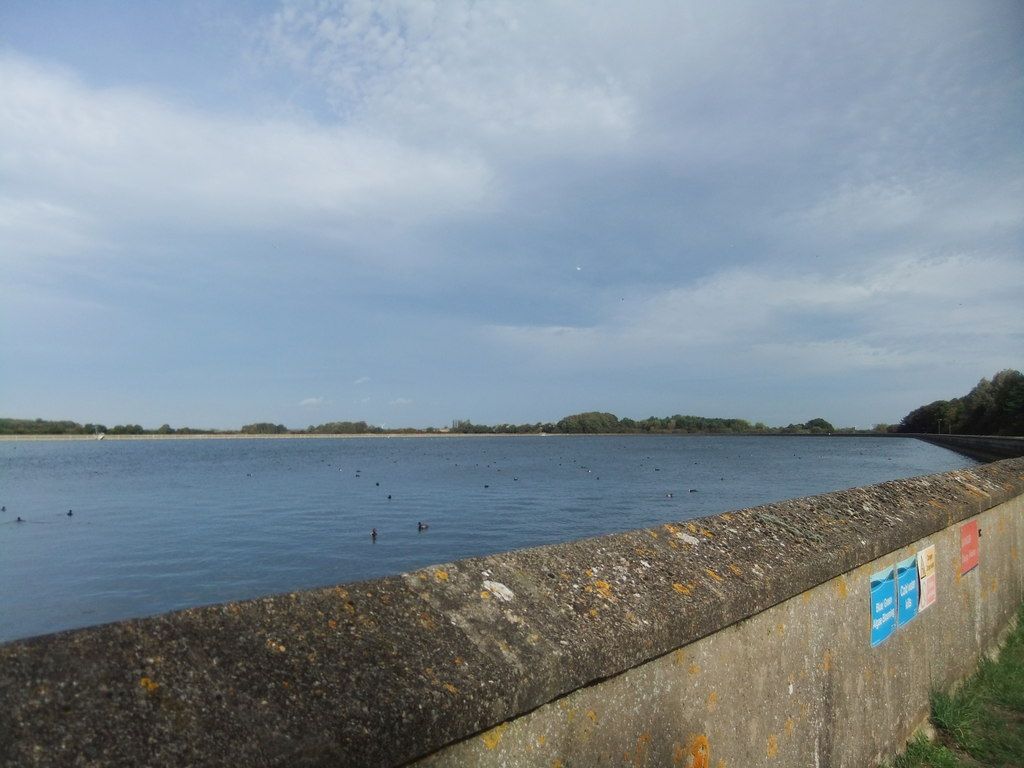
Reservoirs in England are 58% full on average, their lowest level in October for more than 30 years, and four water companies have said that hosepipe bans covering about 18 million people will stay in place at least until the new year, the Environment Agency said on Friday.
Rainfall between April and September was 61% of the long-term average across England, the fifth-driest such period since 1890, and groundwater levels in the chalk aquifers that supply much of the south and east are classed as exceptionally low. The agency’s national drought group, which met on Thursday, moved five more areas into formal drought status, bringing the total to 11, and said that even a wet autumn would not refill storage before spring.
The picture is worst in Yorkshire, where reservoirs stand at 41%, and in the Pennine catchments serving Greater Manchester and Lancashire, at 47%. Southern England has fared slightly better because of its reliance on groundwater, but the agency said the aquifers were “running down a balance that took three wet winters to build”.
“We have had dry summers before, but we have not had one that followed a dry winter and a dry spring for a long time,” said Dr Stephen Allard, the agency’s head of water resources. “The system is designed on the assumption that winter will bail us out. This is the year we find out what happens if it does not.”
Hosepipe bans were imposed by two companies in June and two more in July. Rather than lifting them as temperatures fell, the companies said this week that they would keep them in place through the winter to protect spring supplies, and two have applied for drought orders that would allow them to take more water from rivers already running low. The orders are opposed by angling and wildlife groups, who say salmon and trout spawning runs are already failing in several rivers.
The crisis has sharpened criticism of the industry’s record on new storage. No major reservoir has been completed in England since 1992. Two, in Oxfordshire and Lincolnshire, received planning approval last year and are not expected to hold water before 2038. Leakage, though down 12% in five years, still accounts for about a fifth of water put into supply.
“Customers are being asked to let their gardens die while a fifth of what they pay for leaks into the ground, and the companies that failed to build anything for 30 years are asking permission to drain the rivers,” said Lorna Wickham, chief executive of the Rivers Trust. “People are entitled to be angry about that, and the regulators ought to be too.”
Ofwat said it had approved £9bn for water resources in the current price period and would “hold companies to every pound”. The Met Office’s outlook for the next three months gives a slightly higher than usual chance of a wet autumn, though it cautioned that seasonal forecasts for Britain carry low confidence.
Sign up to First Edition
Our morning email breaks down the key stories of the day, telling you what's happening and why it matters.
Privacy notice: newsletters may contain info about charities, online ads and content funded by outside parties.