Scotch whisky tariffs fall to 75% as UK-India trade deal takes effect
Distillers expect exports to the world’s biggest whisky market to double within five years, though the duty will not fall to its final 40% rate until 2035
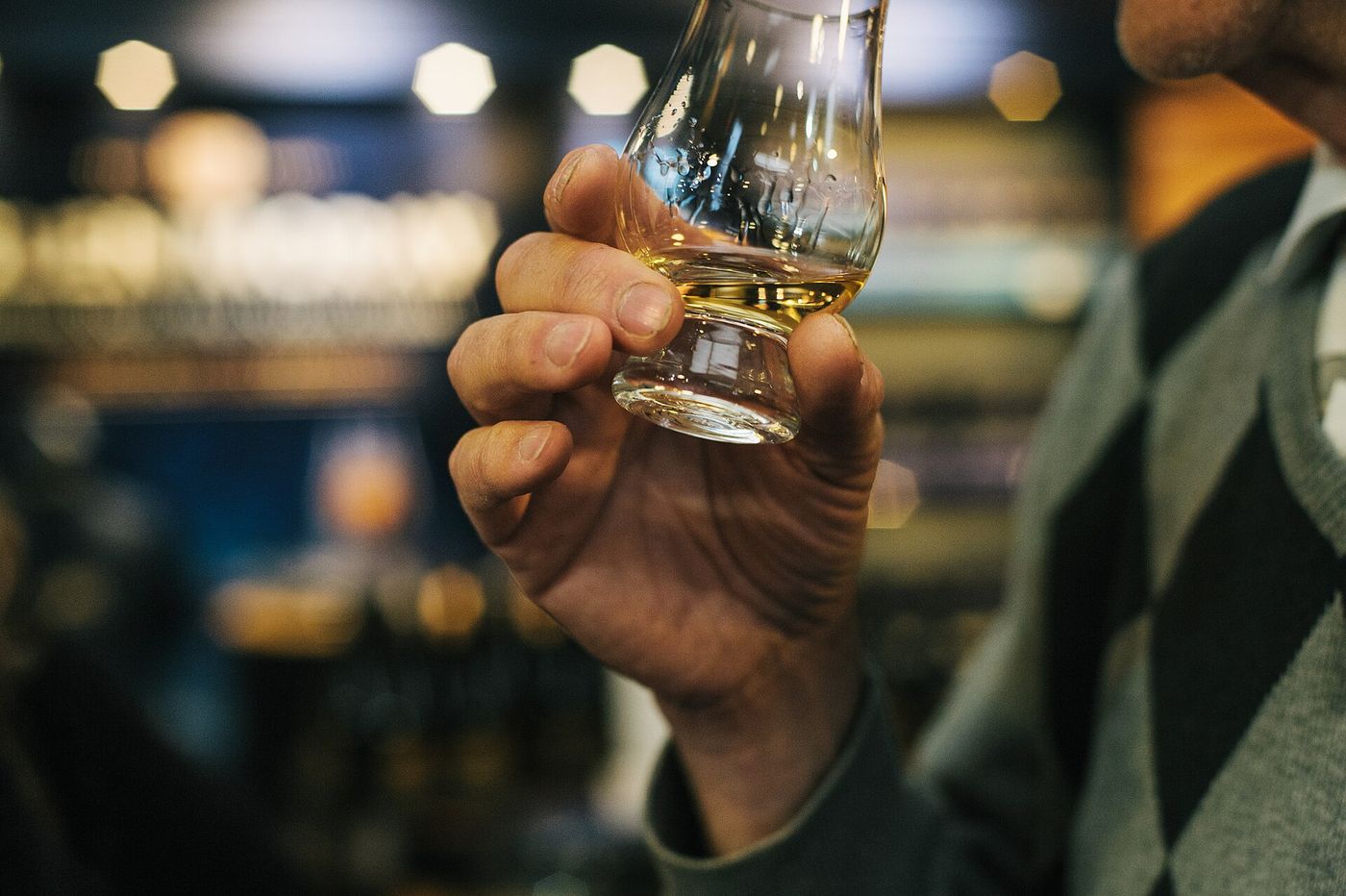
The tariff on Scotch whisky entering India fell from 150% to 75% at midnight on Friday as the UK-India free trade agreement came into force, the first concrete result of a deal that took more than three years to negotiate and another 15 months to ratify.
The agreement, signed in July 2025, also cuts Indian duties on British cars, aerospace parts, medical devices and lamb, and removes UK tariffs on Indian textiles, footwear, jewellery and seafood. Officials in both capitals say it will add about £4.8bn a year to UK GDP by 2040 and raise bilateral trade, worth £43bn last year, by about a third.
No sector has waited longer than whisky. India drinks more whisky than any other country, about 250m cases a year, but Scotch accounts for barely 3% of it, held back by a tariff that made a bottle costing £25 in Edinburgh retail at more than £70 in Mumbai. The Scotch Whisky Association estimates that the cut will increase exports to India by £1bn over five years and create 1,200 jobs in Scotland.
“We have been telling governments since the 1990s that India was the single biggest prize for this industry,” said Fergus McAllister, the association’s director of international trade. “Halving the duty overnight is enormous. The provision we fought hardest for, though, is the one nobody talks about: a minimum import price, so that Indian producers cannot claim the tariff cut only helps cheap blends.”
The duty will fall by a further five percentage points a year to reach 40% in 2035. Indian distillers, who produce most of the country’s whisky from molasses-based spirit, lobbied hard against the cut, and the Indian government secured a safeguard clause allowing it to pause reductions if imports rise faster than 20% a year.
Smaller distilleries say the benefits will not be evenly spread. “The big houses have had people in Delhi for 20 years and will have stock on shelves by Diwali,” said Morag Innes, who runs an independent distillery in Moray producing about 90,000 bottles a year. “We have had enquiries from three Indian importers this month, which is three more than in the previous decade. But we cannot afford to send a container on spec. It will take us a couple of years to find out whether this is for us.”
The deal has been criticised on both sides. Indian farmers’ groups say it exposes dairy and grain producers to competition, although both were largely excluded. In Britain, unions have attacked a provision exempting Indian workers temporarily posted to the UK from national insurance for three years, which the government says mirrors arrangements with 50 other countries.
The trade secretary, who marked the moment at a distillery in Speyside on Saturday morning, said the deal was “the most significant Britain has signed since leaving the EU” and that talks with the Gulf states would conclude “in months, not years”.
Sign up to First Edition
Our morning email breaks down the key stories of the day, telling you what's happening and why it matters.
Privacy notice: newsletters may contain info about charities, online ads and content funded by outside parties.