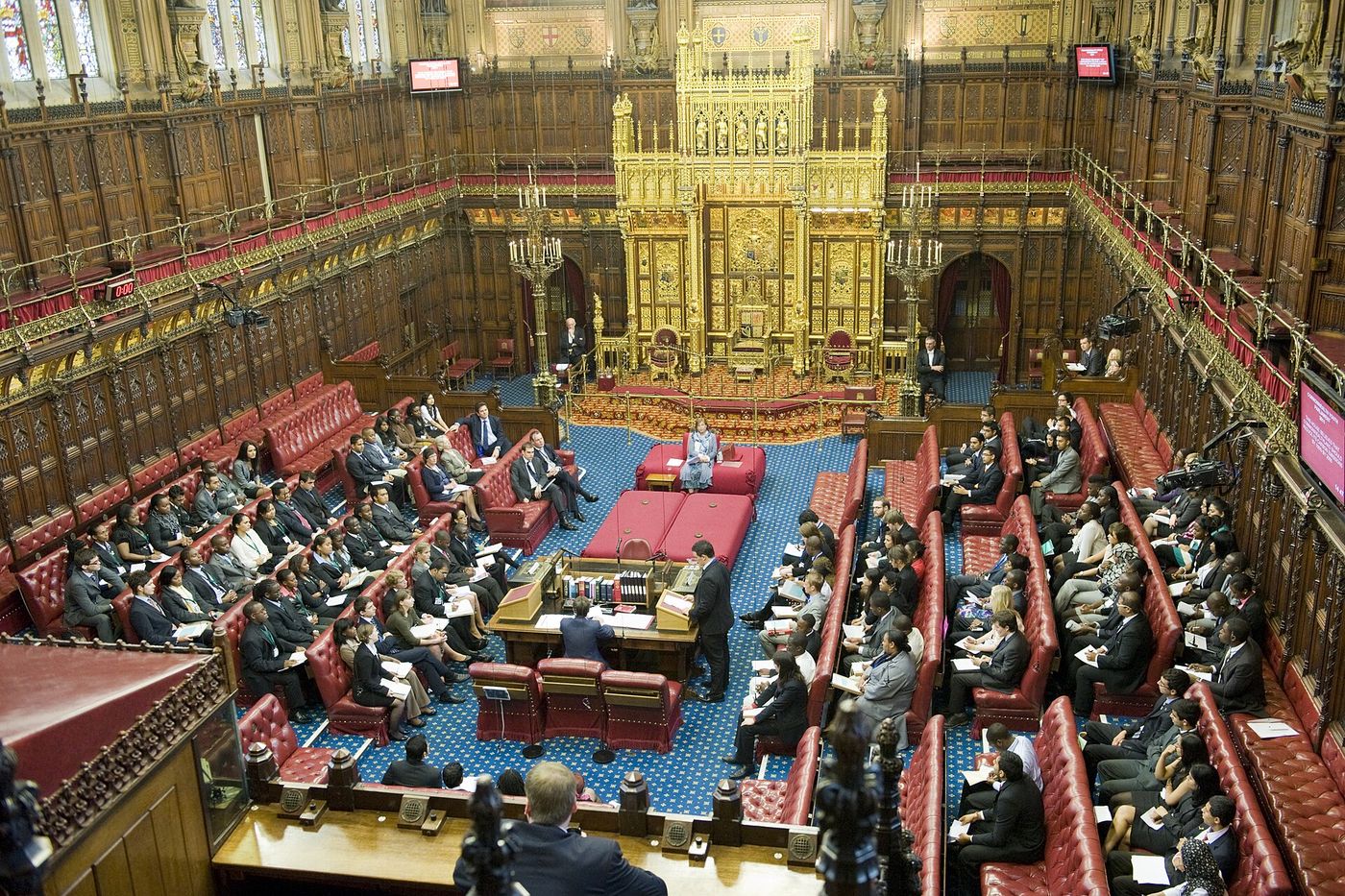
Schools to run registration drives as 1.5 million 16- and 17-year-olds join the electoral roll
Electoral Commission warns that only a third of newly eligible teenagers are registered with 30 months until the first general election in which they can vote
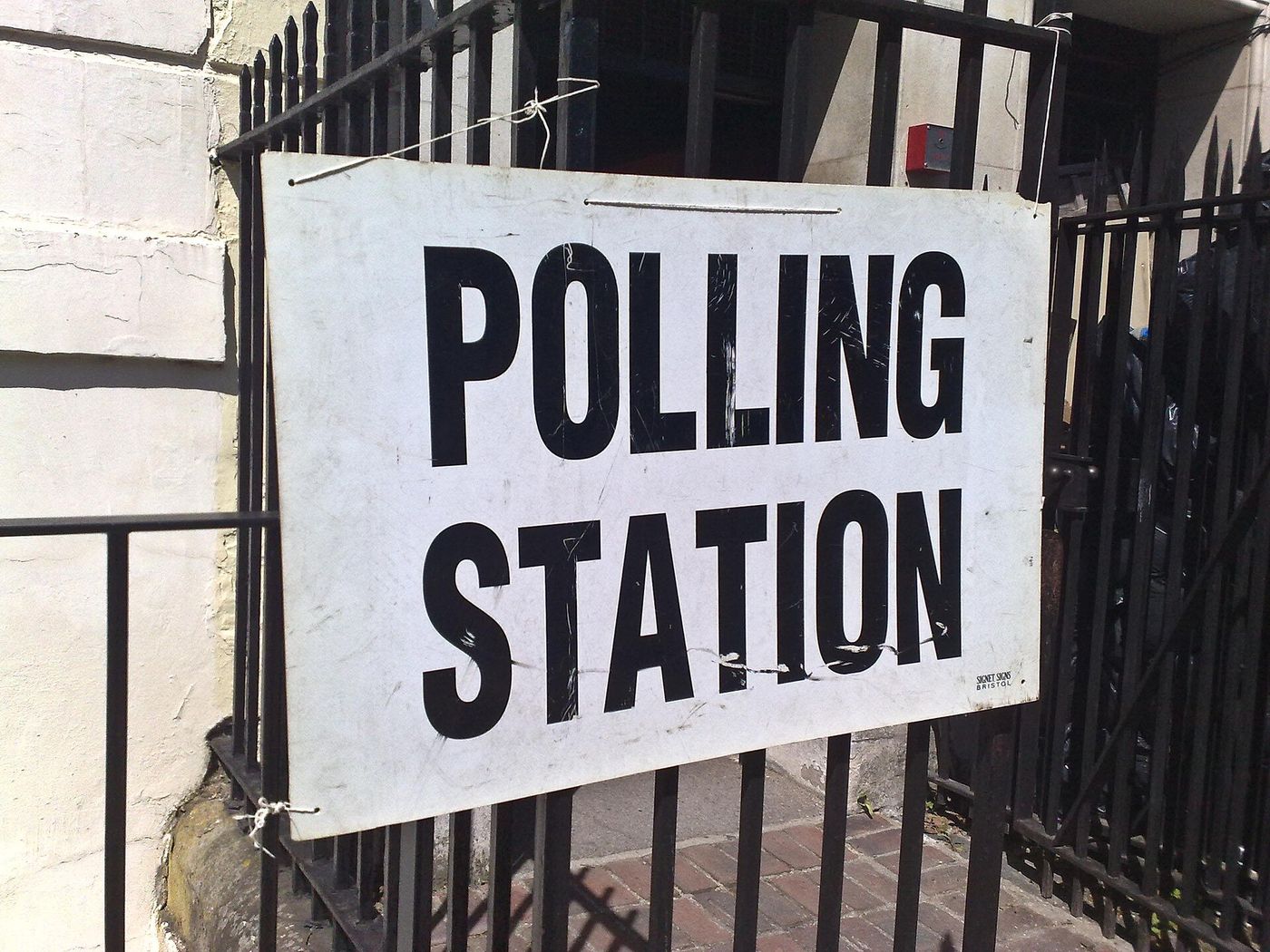
Every secondary school and sixth-form college in England will be asked to hold an annual voter registration session from January under plans announced by the government this week, as the Electoral Commission warned that most of the 1.5 million teenagers given the vote by the elections act are not yet on the roll.
The act, which received royal assent in July, lowers the voting age for UK parliamentary elections and English local elections to 16, bringing them into line with Scotland and Wales, where 16-year-olds have voted in devolved and council elections since 2016 and 2021. The first general election in which they will be able to take part must be held by August 2029.
Commission figures published on Thursday show that about 520,000 16- and 17-year-olds, roughly 34% of the age group, have registered since the online service was opened to them in September. The equivalent figure for Scotland before the 2016 Holyrood election was 75%, achieved largely through schools.
“The lesson from Scotland is very simple: if you go to where the young people are, they register; if you wait for them to come to you, they do not,” said Judith Carmichael, the commission’s director of electoral administration. “We have 30 months. That sounds like a long time. In electoral administration it is not.”
Under the plan, schools will be sent registration materials and a 20-minute lesson module, and will be able to upload details in bulk with students’ consent, a system known as attainment registration that already operates in Northern Ireland. Councils will receive £8m to fund the work. The Department for Education said participation by schools would be voluntary but “strongly expected”.
The policy remains contested. Opposition MPs who voted against the act argued that the government had not made the case for change, and have said they will review the measure if elected. A spokesperson for the opposition said the registration drive “confirms what we said all along: this is a huge logistical exercise undertaken for party advantage”. Polling suggests that the newly enfranchised group leans heavily toward parties of the left and the Greens, though turnout among 18- to 24-year-olds at the last election was below 50%.
At a sixth-form college in Wolverhampton, students were divided on the question of whether their peers would use the vote. “Most of my year group know more about politics than our parents think,” said Amara Kalu, 17, who registered the week the service opened. “Whether they will go to a polling station on a Thursday is another thing. If the school does it for us, that solves half the problem.”
Her classmate Josh Pardoe, 16, was blunter. “I will vote,” he said. “I am not sure I will vote for any of them.”
Sign up to First Edition
Our morning email breaks down the key stories of the day, telling you what's happening and why it matters.
Privacy notice: newsletters may contain info about charities, online ads and content funded by outside parties.