Wild beavers cut flood peaks by a fifth in first year of licensed releases
Eleven families released in Dorset, Devon and Northumberland have built 47 dams, slowed winter floods and raised water tables in a summer of drought, Natural England reports
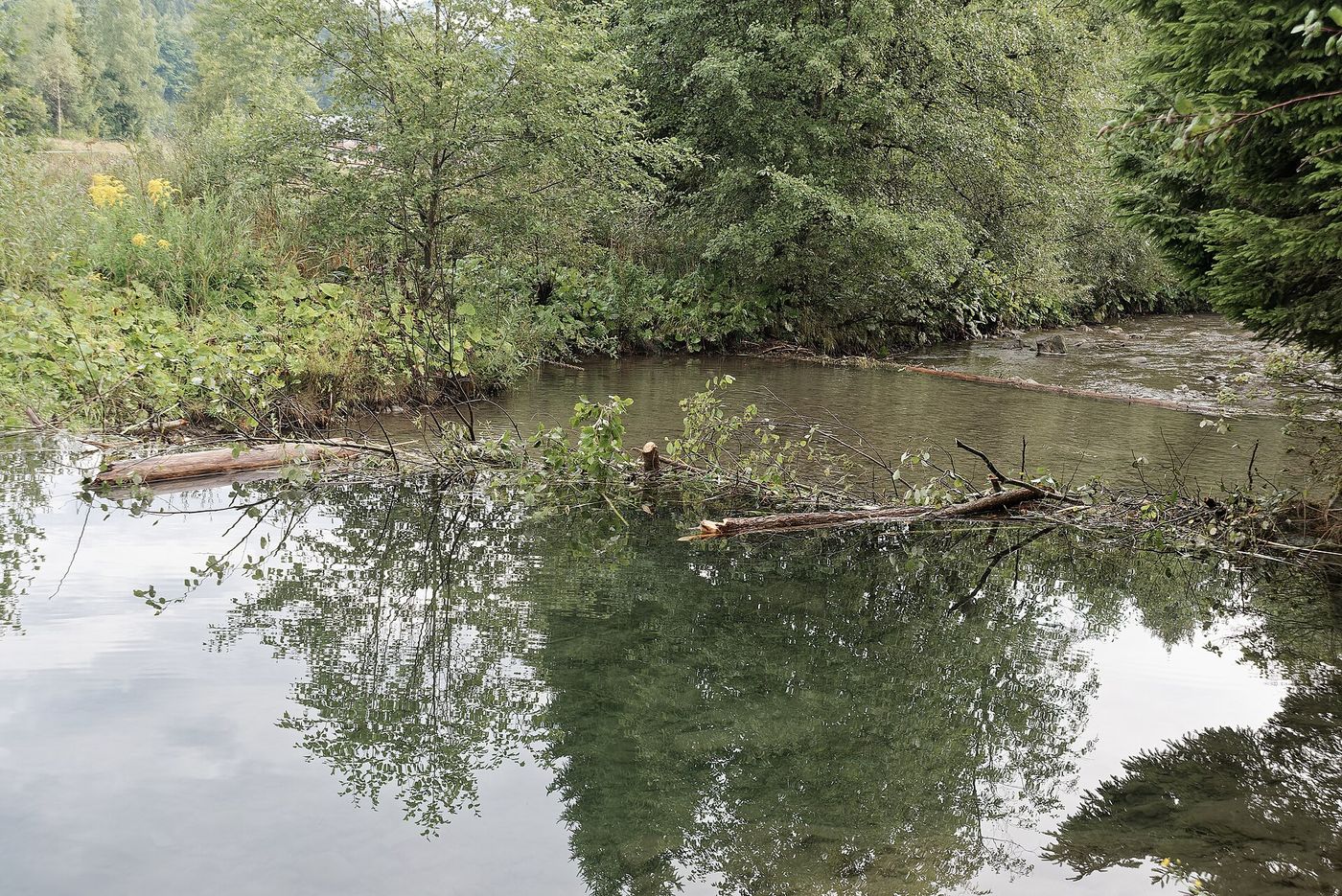
The first beavers legally released into the wild in England have reduced peak flood flows by up to 21% on the streams where they have settled and kept pools of water in catchments that otherwise ran dry this summer, according to Natural England’s first annual assessment of the programme.
Eleven family groups, 38 animals in total, were released at six sites in Dorset, Devon and Northumberland between September 2025 and March this year under licences introduced after the government ended a decade-long moratorium on wild release. The animals have built 47 dams, created about 14 hectares of new wetland and, in the Purbeck area of Dorset, extended their territory 4km along a river in which beavers had not lived since the 16th century.
Monitoring by the Environment Agency and the universities of Exeter and Newcastle found that during storms in January and February, flows downstream of beaver dams peaked lower and later than at control sites, with reductions in the peak of between 11% and 21%. During the summer’s dry spell, when many small rivers in the south-west stopped flowing, every beaver wetland in the study retained standing water throughout.
“Beavers do not care about our policy debates, they just dam things,” said Dr Eleanor Raikes, Natural England’s lead on the programme. “What this first year shows is that a few families of animals can do, for free and for ever, what would cost a flood scheme several hundred thousand pounds. The caveat is that they do it where they choose, not where we would.”
That caveat is the source of most of the conflict. The agency has received 23 complaints in the year, mainly about flooded field margins, felled orchard trees and a culvert on a minor road in Devon that was blocked three times. Licensed management, which can include removing dams or installing pipes through them, was carried out in nine cases. Two beavers have been killed on roads and one shot illegally.
Farmers’ representatives remain cautious. “We supported wild release on the condition that there would be a management system that actually worked and compensation when it did not,” said Tim Fordyce, who farms 300 hectares near Bere Regis and chairs the local NFU branch. “The management has been decent. The compensation fund has paid out £11,000 across the whole of England. That is not going to reassure anyone with a dairy herd on a floodplain.”
Natural England has received applications for a further 19 releases, including in Cornwall, Shropshire and the Yorkshire Dales, and expects to approve about half of them this winter. Beavers are now thought to number about 1,200 in England, most descended from animals that escaped or were released without a licence in the 2000s.
The environment secretary said the results were “a vindication of a decision that was described as reckless by people who have gone quiet”. The report also recorded 31 kits born in the wild to the released families.
Sign up to First Edition
Our morning email breaks down the key stories of the day, telling you what's happening and why it matters.
Privacy notice: newsletters may contain info about charities, online ads and content funded by outside parties.