Kinloch Dance: Firth review – a Scottish company makes the tide visible, then loses its nerve
★★★☆☆ Rona Kinloch’s new piece for 12 dancers on the Solway estuary is ravishing for 40 minutes and then becomes a lecture
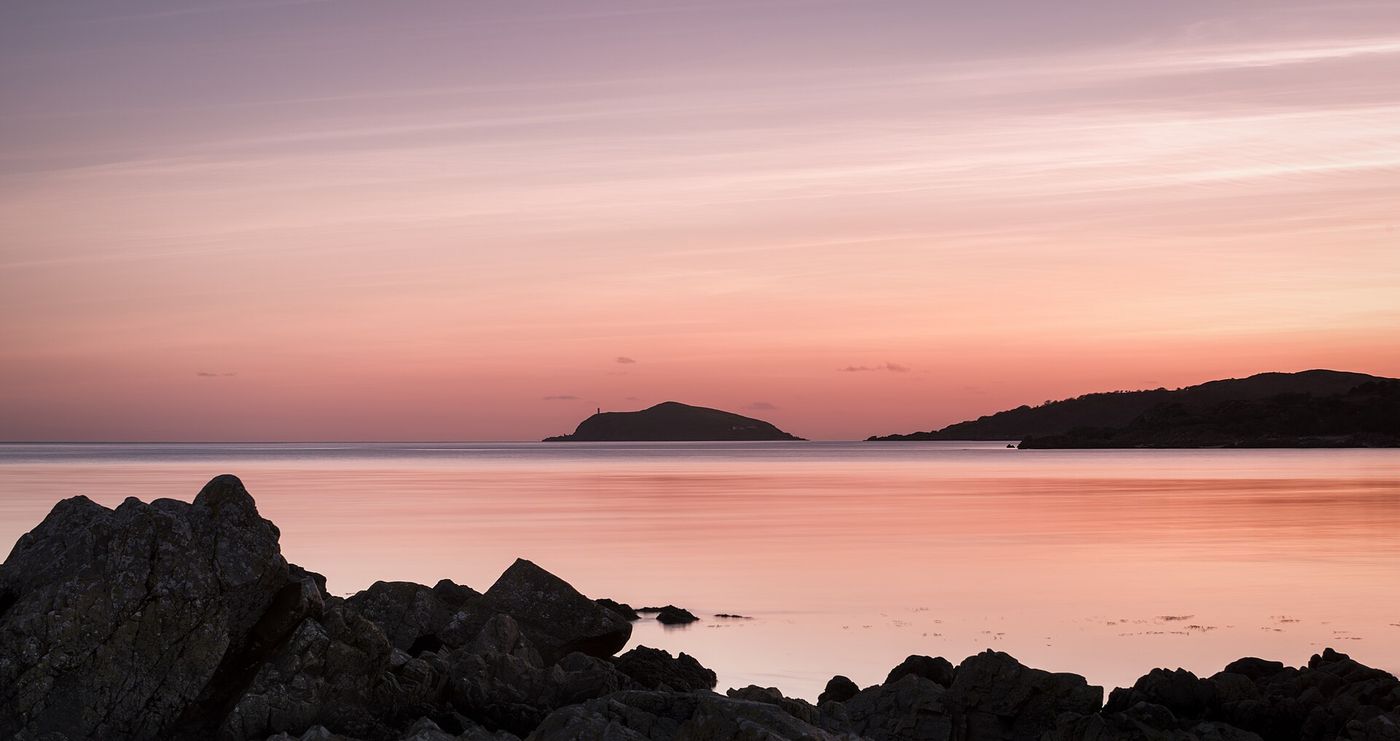
Rona Kinloch, whose Glasgow-based company has become one of the most watched in British contemporary dance over the past five years, has a gift for making bodies behave like landscape. In Firth, which opened at Sadler’s Wells on Tuesday after a run in Dumfries, she sets 12 dancers on a bare stage lit in the grey-gold of the Solway at dusk and asks them to be a tide. For most of the first act, astonishingly, they are.
The opening 20 minutes are as good as anything I have seen this year. The dancers enter in a single line, low to the floor, and advance and retreat in a slow pulse that is at first almost imperceptible and then, by some accumulation I could not track, overwhelming. The composer, Ailsa Ferguson, has built a score from recordings of the estuary, the suck of mud, curlews, a distant train on the Dumfries line, and the movement follows the sound so closely that the dancers seem to be making it. A duet for two of the company’s longest-serving dancers, Ewan Morrice and Tabitha Okoro, in which they move together like two currents meeting at a sandbar, is a small masterpiece.
Kinloch’s vocabulary is rooted in Scottish traditional dance, and she has always been happiest when she lets that show. A sequence for the full company built on a stripped-back strathspey, the steps slowed to a glide, the arms held like the folded wings of a wader, is the piece’s heart, and the audience on Tuesday knew it.
Then the second act arrives, and with it a screen. Firth is, the programme tells us, a work about the estuary and its future, and Kinloch has decided we need to be told this. Projected text about sea-level projections, a recorded voice reading from a council report, a section in which the dancers hold up placards: all of it is sincere, and all of it is a mistake. The first act had already said everything the second act says, and said it in the only language dance has, which is the body. The moment the words arrive, the tide goes out.
The dancers, to their immense credit, carry it. Okoro in particular finds something true in the final solo, a figure alone on a drained stage who seems not to know whether the water is coming back. The lighting, by Dan Keane, is exquisite throughout, and the closing image, a line of bodies on the floor in the gold light with the curlews calling, nearly redeems what came before it.
Kinloch is a major choreographer, and Firth contains a major work. It is 40 minutes long, and it is the first half.
Firth is at Sadler’s Wells, London, until Saturday, then touring to Newcastle, Inverness and Aberdeen.
Sign up to First Edition
Our morning email breaks down the key stories of the day, telling you what's happening and why it matters.
Privacy notice: newsletters may contain info about charities, online ads and content funded by outside parties.