
Sorrel Vane: Low Country review – fenland folk with a drum machine and a broken heart
★★★★☆ The Lincolnshire songwriter’s second album turns drainage ditches, sugar beet and a divorce into the most distinctive British record of the autumn
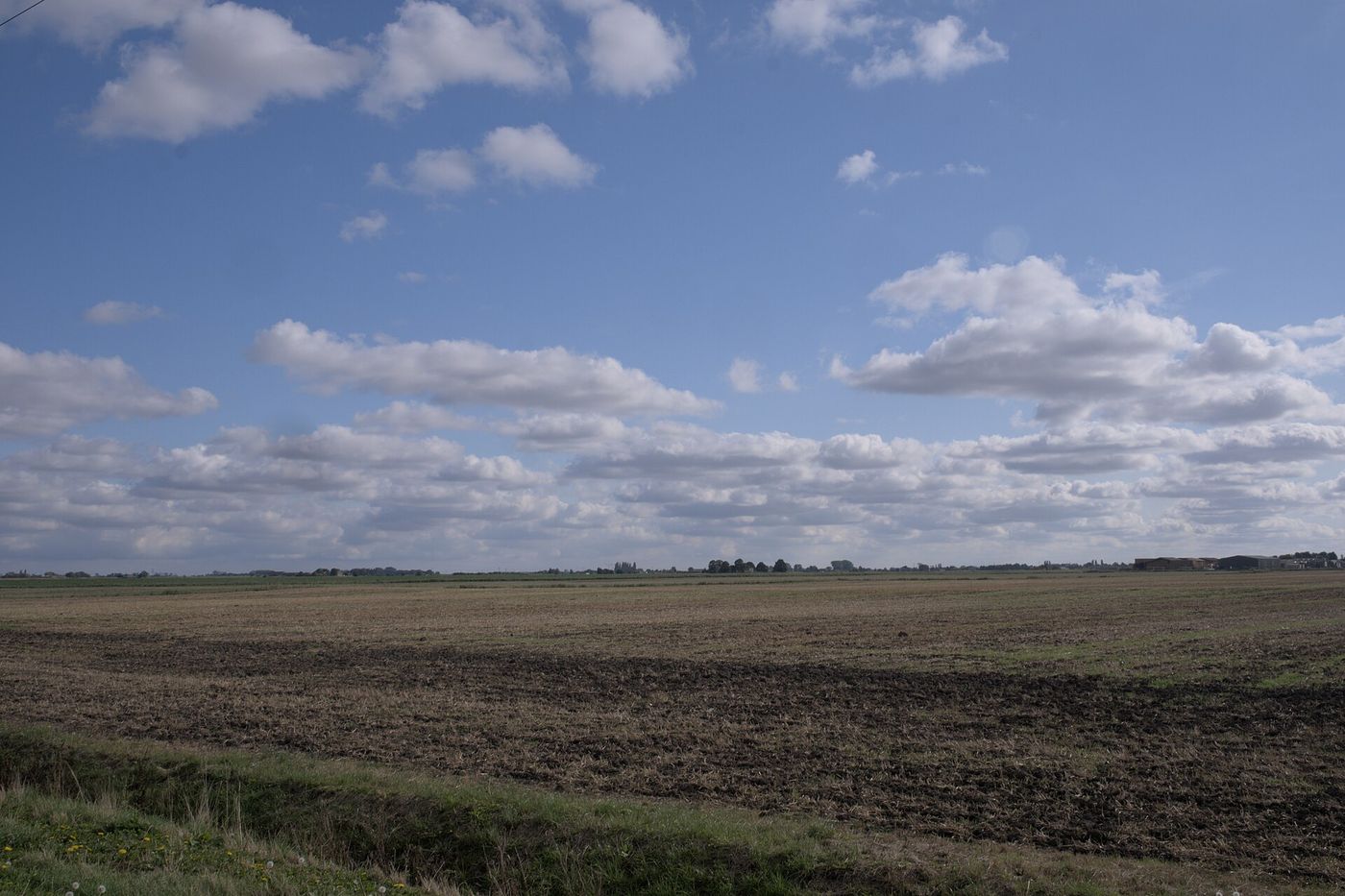
Sorrel Vane grew up in a village south of Boston, Lincolnshire, where the horizon is a straight line and the main road is called the A16. Her 2023 debut, Beet, was a small, wry folk record about leaving. Low Country, out on Friday, is about coming back, and it is a much bigger and stranger thing.
The album was recorded in a decommissioned pumping station near Spalding, and the building is all over it. The opening track, Sluice, starts with the actual sound of water through an actual gate, and then a drum machine comes in underneath it, dry and patient, and Vane’s voice, which has acquired a flatness that suits the landscape, sings about watching her marriage drain out “a quarter-inch a day, like the fen does”. It is a stunning piece of writing and it sets the terms for everything that follows.
Vane’s producer, the Sheffield electronic musician Daniel Oke, has done something clever: the folk instrumentation, fiddle, melodeon, a brass band borrowed from Holbeach, is treated as texture, and the rhythmic spine is almost always machine. On Tulip Fields the effect is of a pastoral being slowly industrialised, which is of course the history of the place. On Forty Foot, the album’s best song, a melodeon loop turns into something close to techno over seven minutes, and the Holbeach brass arrives in the final minute like weather.
Lyrically she is sharper than almost anyone working in British folk. The divorce songs are specific without being confessional: a kitchen in Spalding, a solicitor in Peterborough, a van that was in his name. Night Bus to Skegness is a comic song that becomes a sad one so gradually you do not notice until the last verse. And the closing track, Reclaimed, in which she sings a list of the drains and dykes around her mother’s house as though it were a rosary, is as good a use of place names in a song as I know.
Not everything lands. The middle of the album sags slightly under two mid-tempo tracks that feel like they were built from the same loop, and a spoken-word interlude recorded with a fenland historian would have worked better as a sleeve note. There is also a question, not unique to Vane, of how far a drum machine can carry a folk record before it stops being one. She is right at the edge.
But the edge is where she belongs. Low Country is an album about a flat, drained, unfashionable place made by someone who loves it and cannot quite stay, and it sounds like nowhere else.
Low Country is released on 16 October on Marram Records.
Sign up to First Edition
Our morning email breaks down the key stories of the day, telling you what's happening and why it matters.
Privacy notice: newsletters may contain info about charities, online ads and content funded by outside parties.