Tideline review – a Hebridean ferry drama that earns every silence
★★★★☆ Morven Gillies’s second feature turns a disputed island ferry route into a quietly devastating study of a family that has run out of things to say to each other
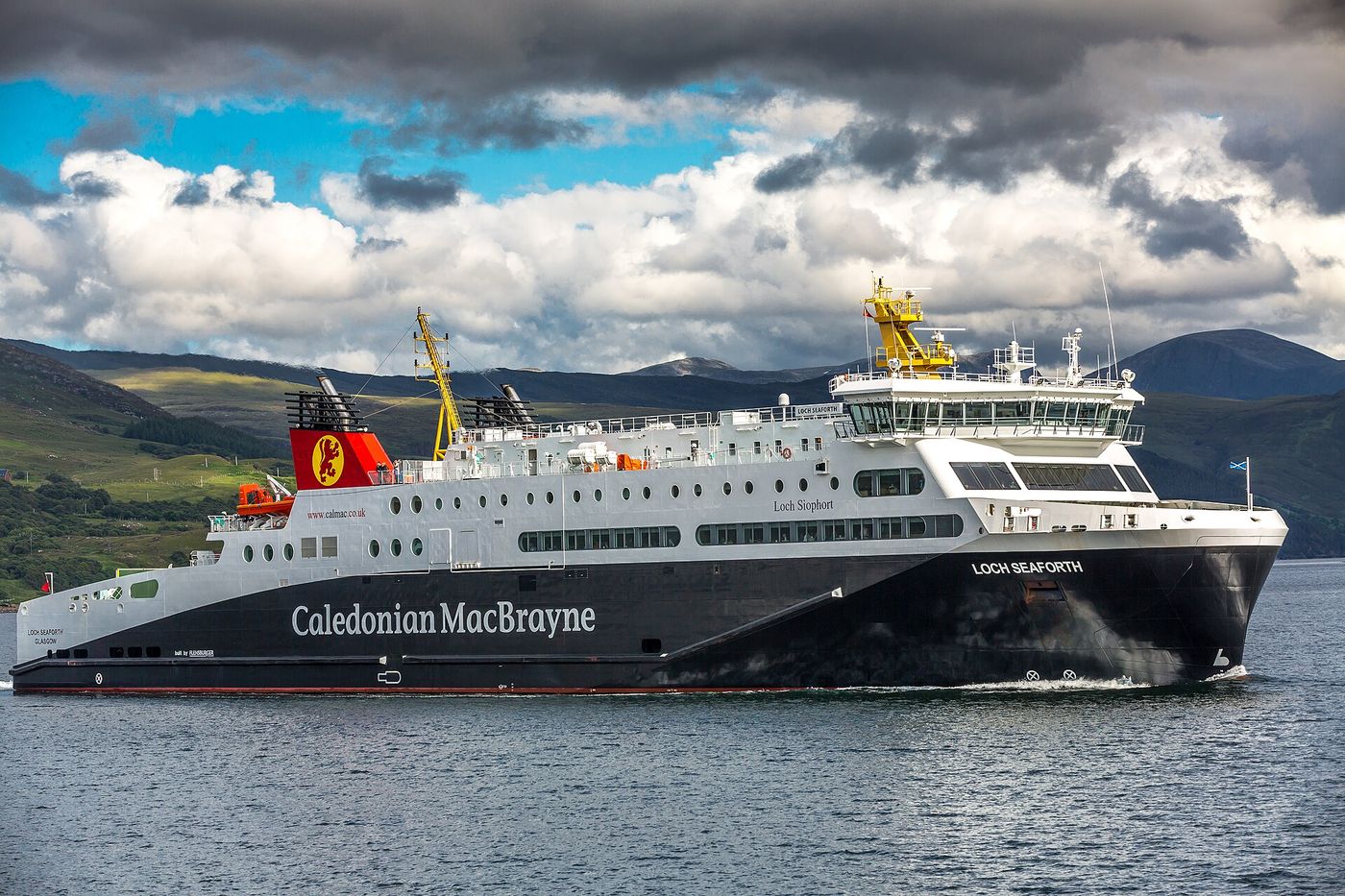
There is a shot about 20 minutes into Tideline in which nothing happens for almost a full minute. A woman stands on a slipway in the rain, a ferry fails to arrive, and the camera simply waits with her. In most British films this would be an indulgence. Here it is the whole argument: Morven Gillies has made a film about people who are used to waiting, and she trusts us to wait with them.
Gillies, whose 2023 debut Gannet was a small, sharp thing about a Fife fishing family, has grown more ambitious without becoming louder. Tideline follows the Maclennans, who have run the only shop on a fictional island in the Outer Hebrides for three generations, across the winter in which the subsidised ferry is cut from daily to three times a week. The shop’s shelves empty, the son stops coming home from Glasgow, and the mother, Isla, played with extraordinary stillness by Catriona Beattie, starts talking to the sea.
What could be a worthy issue film about rural decline is instead a chamber piece about the things families say instead of the thing they mean. The script, which Gillies wrote with the Gaelic poet Ruairidh Munro, is bilingual in a way that is dramatic rather than decorative: the parents switch to Gaelic when they argue, and the son, who has lost most of his, is left standing in the kitchen doorway understanding only the tone.
Beattie is magnificent, but the surprise is Fergus Lamont as her husband Donnie, a man who expresses love exclusively through the maintenance of a diesel generator. A late scene in which he tries, and fails, to explain to the ferry company’s regional manager what a Tuesday sailing means to a 71-year-old with a hospital appointment in Stornoway is the best piece of acting I have seen this year. It is played almost entirely in his hands.
The cinematographer Anneke de Vries shoots the island in the flat grey light that tourist boards never use, and the sound design, which lets wind do most of the work, is so precise that when a shipping forecast finally crackles out of a radio it feels like a line of dialogue. The score, a handful of fiddle lines by Kirsty Rankin, is used perhaps four times in 104 minutes. Each time it lands.
If there is a weakness it is the final 10 minutes, in which Gillies, having held her nerve for so long, allows a public meeting to deliver a speech that the rest of the film had already made. The audience at the London film festival screening on Thursday applauded it; I wished she had cut to the slipway instead.
But that is a quibble about a film that is otherwise close to perfect in its own terms. Tideline is a story about a timetable, and it is one of the saddest and most tender things British cinema has produced in a decade. Go, and take someone you have been meaning to talk to.
Tideline is in cinemas from 16 October.
Sign up to First Edition
Our morning email breaks down the key stories of the day, telling you what's happening and why it matters.
Privacy notice: newsletters may contain info about charities, online ads and content funded by outside parties.