The Long Field review – a farming family’s slow collapse told with ferocious tenderness
Niamh Carrick’s new play, set on a Pennine hill farm over three Octobers, is the finest piece of writing about rural England in years
Four stars. There is a moment, about an hour into Niamh Carrick’s new play, when a woman stands at a kitchen window and counts sheep on a hillside the audience cannot see. She counts to 34, stops, and starts again. She gets to 34 again. Nobody on stage says anything. And in that silence, in a studio theatre in a converted tannery in Leeds, you can feel 180 people understand at exactly the same moment that there used to be 35.
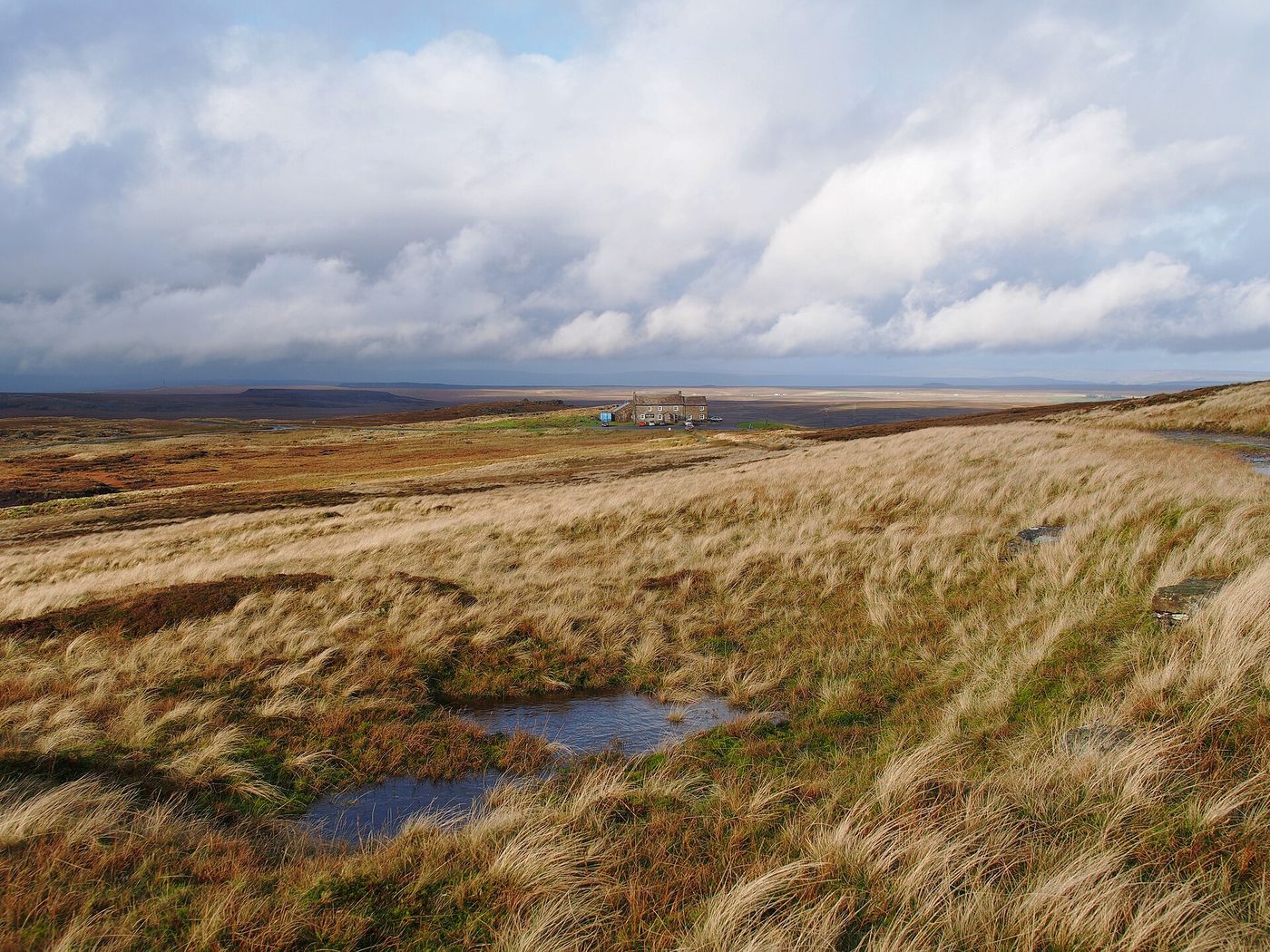
The Long Field is set across three Octobers in a farmhouse kitchen on the Lancashire-Yorkshire border, where Maureen Haworth (a superb Janet Dalrymple) runs 300 acres of thin hill grazing with her son Craig (Liam Fenwick) and a diminishing cast of dogs. The farm is not failing dramatically; it is failing arithmetically, in subsidy letters and vet bills and a supermarket contract that pays less each year for more lamb. Carrick, whose own family farmed near Clitheroe until 2011, understands that rural decline is rarely a catastrophe. It is a kitchen table covered in brown envelopes.
What lifts the play above worthy social realism is its ferocious attention to how people in this situation actually speak. Maureen and Craig communicate almost entirely in logistics (the gate on the top field, the date of the mart, whether the Land Rover will pass its MOT) and it is only slowly that you realise this is how they love each other. When Craig’s partner Shelley (Aisha Kamara, bringing warmth and real comic timing) arrives from Burnley in the second act and tries to make them talk about feelings, the result is one of the funniest and most painful scenes I have seen this year.
Dalrymple’s Maureen is a performance of extraordinary stillness. She rarely raises her voice; her face, under the harsh overhead light of Rosa Lindqvist’s set, does the work instead. Fenwick is almost as good as a man who knows he is the last of something and cannot say so. There is a scene in the third act, involving a letter from a land agent and a mug of tea that is never drunk, that I will not spoil, except to say the audience around me was audibly weeping and nobody was embarrassed.
The production, directed by Carrick herself, is not flawless. The second act sags under a subplot about a planning application for holiday lets that feels imported from a different, angrier play, and a closing monologue delivered to the audience undercuts the restraint that has made everything before it so powerful. Carrick does not quite trust the silence she has written so well.
But these are quibbles about a play that does something theatre rarely manages: it takes a world the metropolitan audience knows only from the news and makes it as specific and as familiar as their own kitchen. The run is sold out. A transfer is being discussed. It should happen.
The Long Field is at the Tannery, Leeds, until 31 October.
Sign up to First Edition
Our morning email breaks down the key stories of the day, telling you what's happening and why it matters.
Privacy notice: newsletters may contain info about charities, online ads and content funded by outside parties.