
Separate beds, happy marriage: the couples who sleep apart and say it saved their relationship
Around one in six British couples now sleep in different rooms at least some of the time, and therapists say the stigma is lifting faster than the snoring
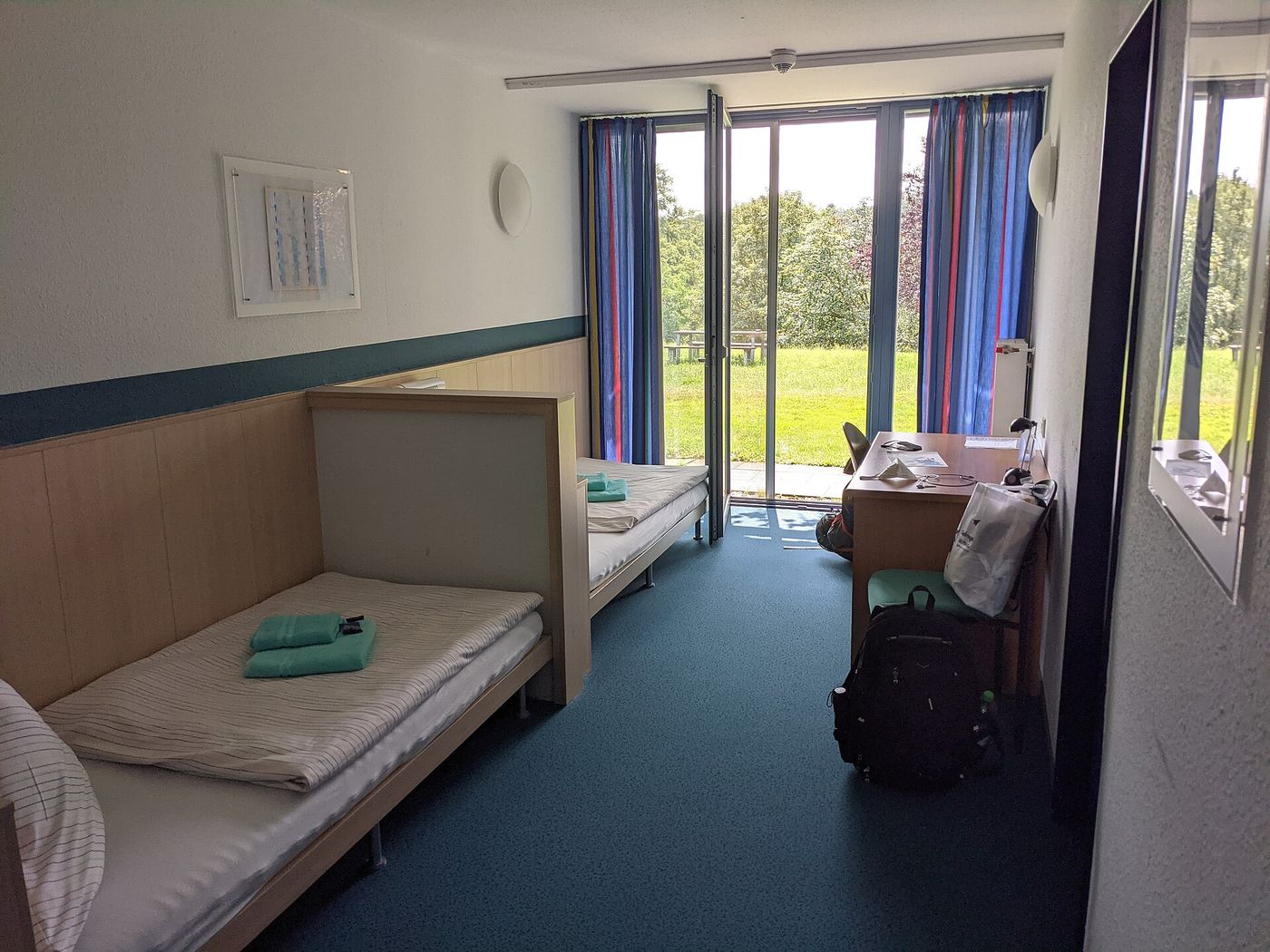
Richard and Elaine Thorne have been married for 23 years and have slept in separate rooms for the past four. It was not, Elaine says, a decision so much as a surrender. “He snores like a lorry reversing. I wake at every sound. For 19 years we both slept badly and were both grumpy about it, and then one night in 2022 I took the duvet into the spare room and woke up at seven feeling like a person. I never went back.” She is 56, a solicitor in Harrogate; Richard, 58, is a surveyor. They describe their marriage as better than it has been since their 30s.
The Thornes are part of a quiet shift. A survey of 3,000 adults in long-term relationships, published last month by a sleep charity, found that 17% slept apart from their partner at least three nights a week and that 9% did so permanently, roughly double the figure the same charity found in 2016. Among couples over 50 the proportion rises to a quarter. The reasons given were snoring (42%), different schedules (24%), restlessness or a partner’s hot flushes (19%) and, in 11% of cases, simply preferring it.
“The idea that a couple who sleep apart must be in trouble is a 20th-century invention and it is on its way out,” said Dr Sunita Rao, a relationship therapist in Leeds who sees around 30 couples a week. “What I see is the opposite. Chronic sleep deprivation is corrosive to a relationship. People who are tired are irritable, less patient and less interested in sex. The couples who have solved the sleep problem, by whatever means, tend to be in better shape than the ones who are lying awake resenting each other at 3am.”
The research supports her. Studies of couples’ sleep consistently find that sharing a bed with a snorer costs the non-snoring partner about an hour of sleep a night and that partners of people with restless legs or sleep apnoea do measurably worse on mood and concentration. One trial in which couples with a snoring partner slept apart for a month found that the non-snoring partner’s sleep improved by an average of 54 minutes a night and that both reported higher relationship satisfaction at the end.
What matters, Rao says, is that the arrangement is a choice rather than a drift. The couples who do well tend to keep deliberate time together: going to bed at the same time and separating only to sleep, or starting the night in one bed and moving, or having one weekend night together regardless. The couples who do badly are the ones where one partner moved to the spare room after a row and the subject has not been raised since. “Separate rooms is fine,” she said. “Separate rooms you don’t talk about is a different thing.”
The Thornes have rules. They go upstairs together, read in the same bed for half an hour and then Richard goes to the room across the landing. On Friday nights, Elaine says, “he’s allowed to stay, and he pays for it on Saturday morning”. Their adult children were initially appalled, and then, she says, their daughter admitted she and her boyfriend had been doing the same thing for a year.
The housing market has noticed. Estate agents in the north of England report that “two principal bedrooms” has begun appearing in buyers’ requirements in a way it did not five years ago, and a bed manufacturer in Lancashire says sales of its twin-frame beds that can be zipped together or apart have risen 30% in two years. “Nobody thinks it is odd that you have different taste in books,” said Elaine Thorne. “I don’t see why sleep should be different.”
Sign up to First Edition
Our morning email breaks down the key stories of the day, telling you what's happening and why it matters.
Privacy notice: newsletters may contain info about charities, online ads and content funded by outside parties.