The 30g question: why almost nobody in Britain eats enough fibre, and what a day that does looks like
Only 9% of adults reach the recommended daily intake and dietitians say the gap matters more than most of what gets written about food
Of all the numbers attached to food in Britain, 30g of fibre a day is the one that gets least attention and is missed by most people. Government guidance has set it at 30g since 2015. The most recent national diet survey found that the average adult eats 19g, that only 9% reach the target and that the figure has not moved in a decade, through every wave of advice about sugar, fat, carbohydrates and ultra-processed food.
“It is the least glamorous nutrient and the one with the best evidence,” said Nadia Hussain, a registered dietitian who works with a GP federation in Bradford. “Every extra 7g a day is associated with about a 9% lower risk of cardiovascular disease. People at 30g have a markedly lower risk of bowel cancer, type 2 diabetes and stroke than people at 15g. If I could change one thing about the British diet it would be this, not the thing everyone is arguing about on social media.”
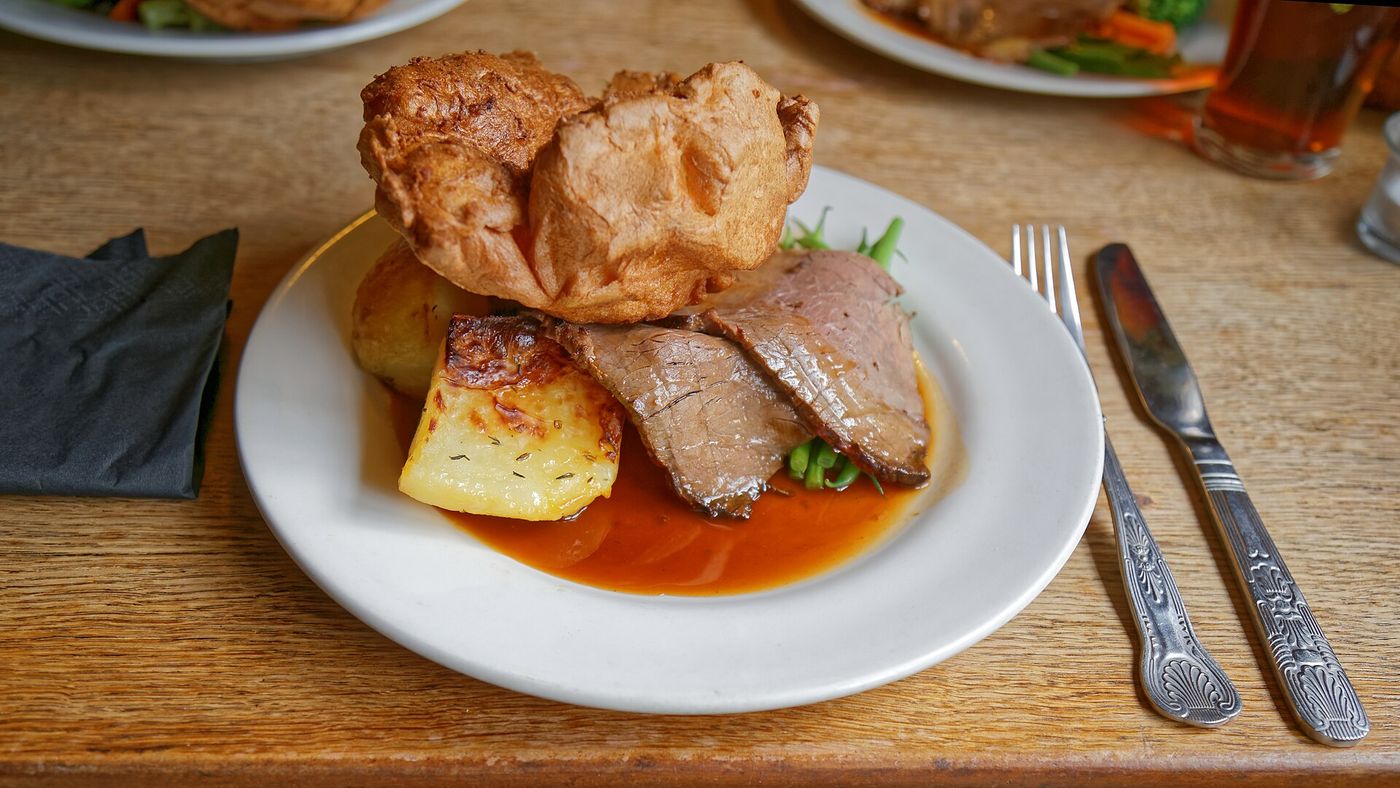
The reason most people fall short is not that fibre is hard to find; it is in oats, beans, lentils, wholegrains, nuts, fruit and vegetables, which is to say in everything the standard advice already says to eat. It is that the typical British day is built around foods with almost none: white toast, a sandwich on white bread, pasta with a sauce, crisps. A day like that lands at about 12g. Swapping the bread for wholemeal gets you to 18g. The rest requires a small amount of planning.
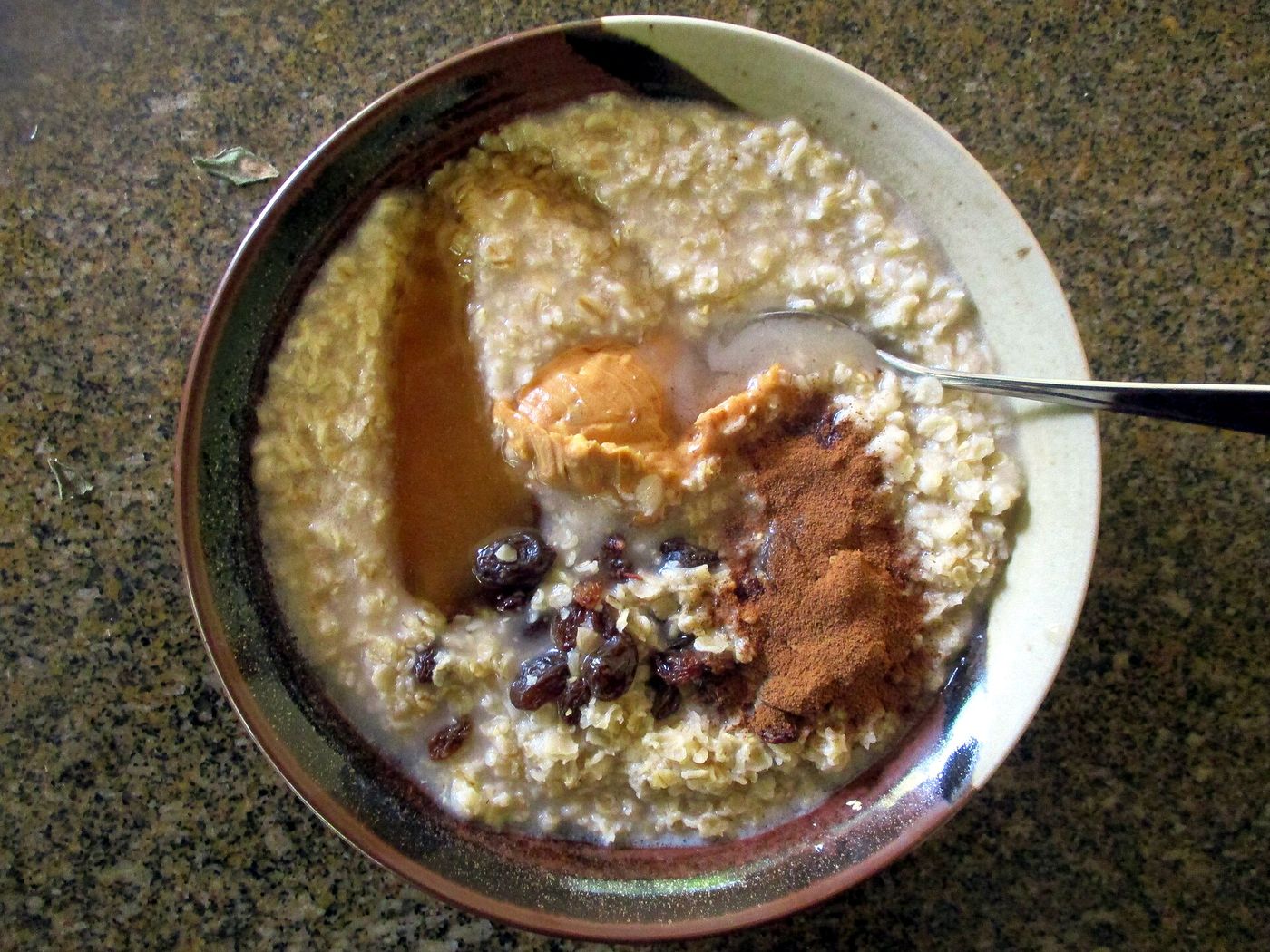
Hussain’s version of a 30g day, which she says most people can manage without noticing, goes like this. Breakfast: a bowl of porridge made with 50g of oats (4.5g), with a tablespoon of chia or ground flaxseed (3g) and a sliced banana (1.5g). Mid-morning: an apple with the skin on (2g) or a handful of almonds (3g). Lunch: a bowl of lentil or bean soup (7g) with a slice of wholemeal or seeded bread (2.5g). Dinner: a chilli, dal or stew with at least half a tin of pulses (5g), served with brown rice or wholewheat pasta (3g) and some green vegetables (2g). That is 30g with room to spare, and none of it is unfamiliar.
A few swaps do most of the work. Half the pasta for wholewheat, or a 50-50 mix if the texture is a problem. Tinned beans in everything: a tin of chickpeas added to a curry or a tray of roast vegetables adds 7g to the pot. Skins on potatoes, which doubles their fibre. Popcorn instead of crisps. Berries, frozen if fresh are dear, on anything. And a tablespoon of seeds on breakfast, which Hussain says is the single highest-return habit she knows.
Two warnings. Fibre needs water, and people who jump from 15g to 30g in a day without drinking more tend to feel bloated and give up; the trick is to add 5g a week over three weeks. And the supplements and high-fibre bars that have multiplied on supermarket shelves are a poor substitute, partly because they usually contain one type of fibre and the benefits come from variety, and partly because, as Hussain puts it, “a lentil costs 4p”.
“The gap between 19g and 30g is the most fixable thing in the national diet,” she said. “It is porridge, beans and brown bread. We have known this for 50 years. We just keep finding more interesting things to talk about.”
Sign up to First Edition
Our morning email breaks down the key stories of the day, telling you what's happening and why it matters.
Privacy notice: newsletters may contain info about charities, online ads and content funded by outside parties.