Craster to Bamburgh on foot: three days on the Northumberland coast when the crowds have gone
A 22-mile autumn walk past two castles and a seal colony, with kippers at one end, the darkest skies in England at the other and a bus back
The woman in the kipper shop at Craster told me I had picked the right week. “August, you can’t move,” she said, wrapping a pair of smoked herring in paper. “October, it’s you and the geese.” She was right about the geese: for three days along the Northumberland coast they came in off the North Sea in long ragged lines, hundreds at a time, pink-footed and barnacle, heading for the fields behind Budle Bay. I saw perhaps 40 other walkers in the same time.
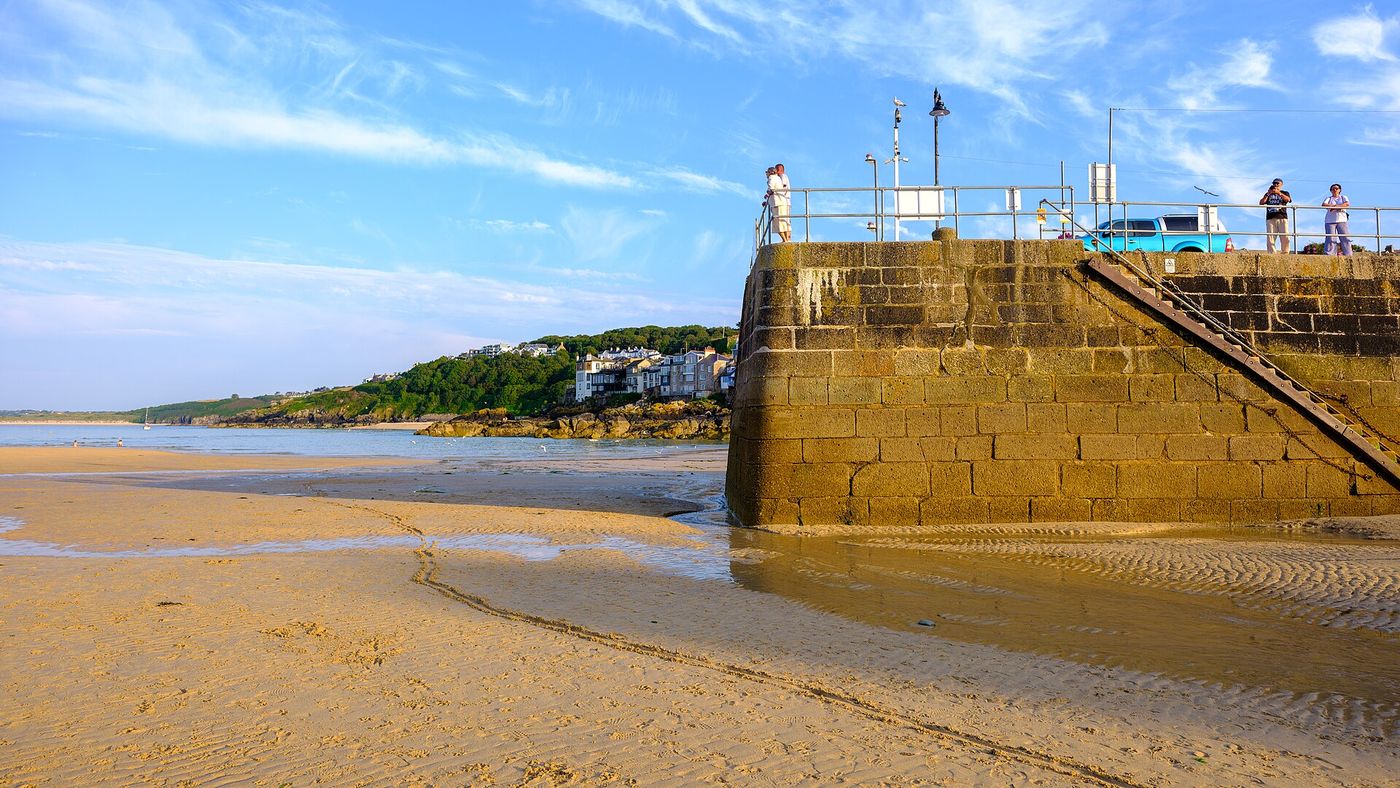
The route is simple and almost impossible to get lost on. From Craster you walk north with the sea on your right: past the ruin of Dunstanburgh Castle, along the sweep of Embleton Bay, through the dunes to Low Newton, over the headland to Beadnell and Seahouses, and on past the long beach to Bamburgh, where the castle sits on its rock like something out of a children’s book. It is 22 miles in all and I did it in three easy days, which left time for pubs, puddings and a boat.
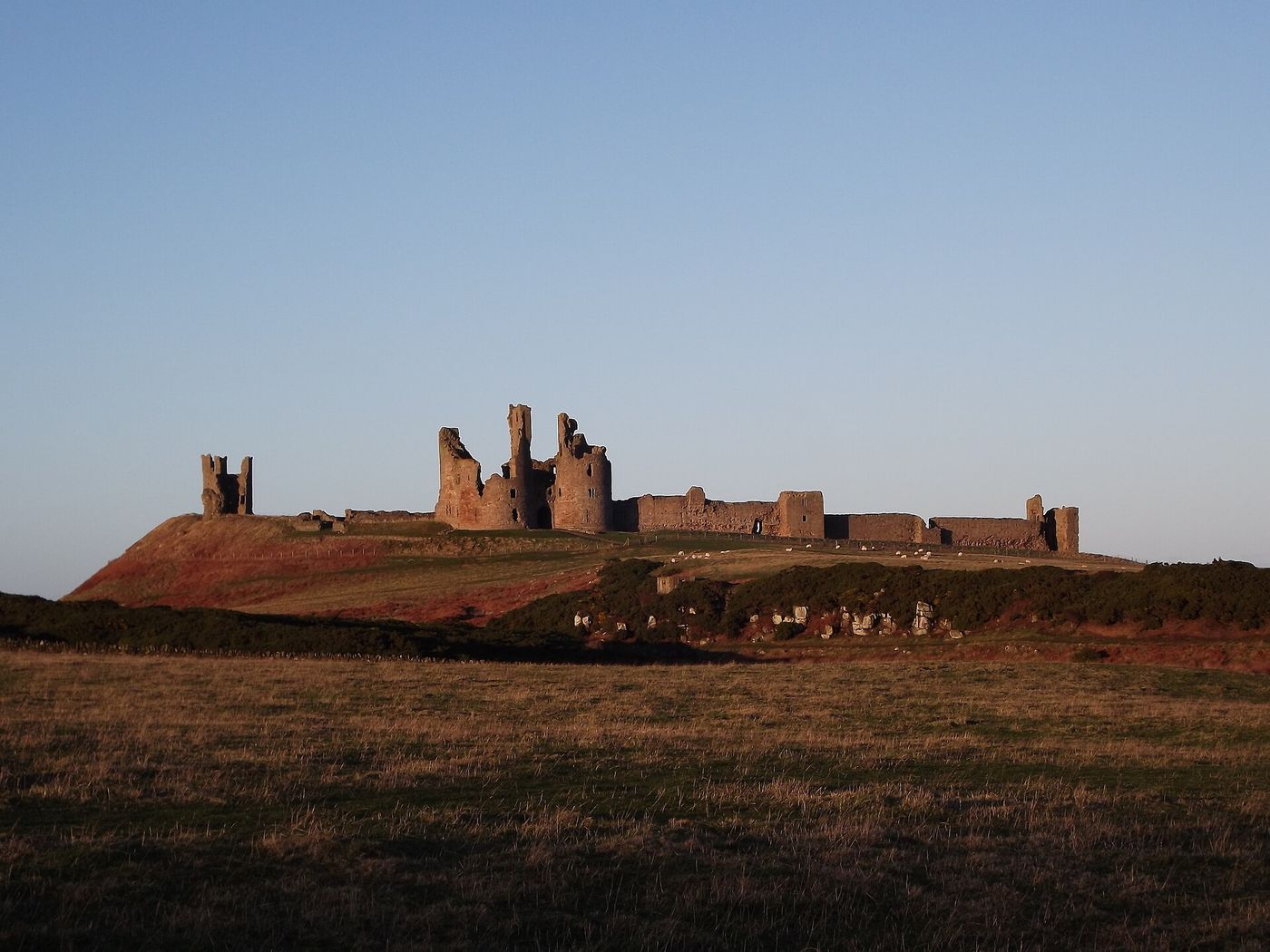
Day one, Craster to Low Newton, is only five miles, but it is the best five. Dunstanburgh, a mile out of the village, is a wreck of a castle on a black basalt crag, and in the low October light its two towers look like broken teeth. Beyond it the path drops to Embleton Bay, a mile of empty sand backed by golf links, and at the far end the Ship Inn at Low Newton, a pub in a square of fishermen’s cottages that brews its own beer. A pint of Sandcastles at Dawn and a crab sandwich (£11) on the green, watching the tide, is as good as a Monday afternoon gets.
Day two is longer, 11 miles to Seahouses, and takes in Beadnell, whose 18th-century lime kilns sit on the harbour, and the first distant view of the Farne Islands. I had booked a seal trip from Seahouses for 3pm with a company run by the Harvey family, who have been taking boats out to the Farnes for four generations; at £28 for two hours it is the best money you will spend on the coast. In October the grey seals are pupping and the boat idles 20 metres from rocks where white-coated pups lie beside their mothers. Our skipper, Sam Harvey, counted 340 on the Longstone rocks alone.
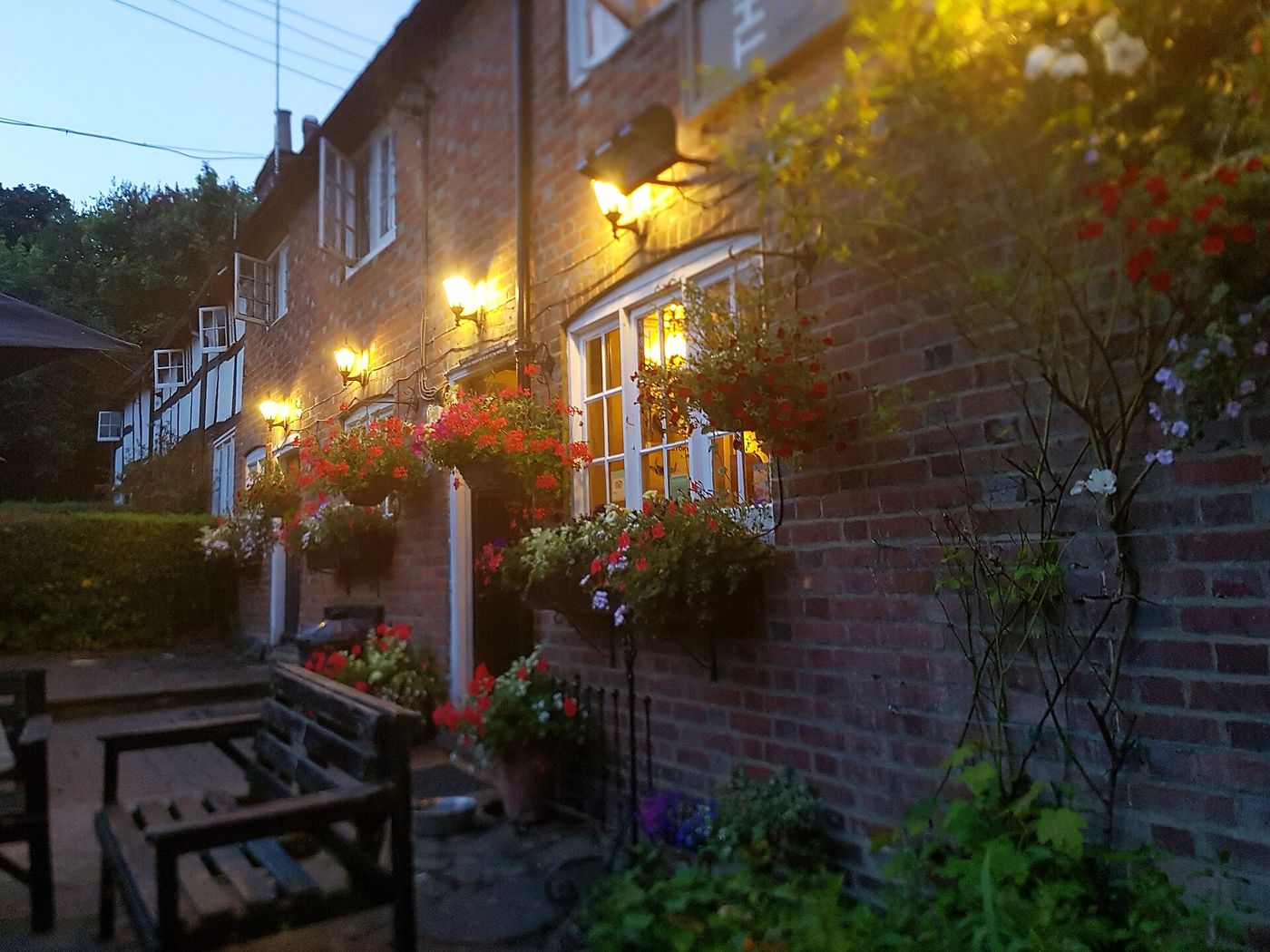
The last day, six miles to Bamburgh, is mostly beach, with the castle growing larger for two hours until it fills the view. I stayed at the Lord Crewe, a pub-with-rooms in the village (£140 a night, breakfast included), where the bar does a Northumbrian hotpot that is a good deal better than it needs to be. After dark I walked back to the dunes. Northumberland has the largest area of protected dark sky in Europe, and on a clear October night the Milky Way is plainly visible from the beach, with the castle floodlit behind you.
Getting back is the one piece of planning the walk needs. The X18 bus runs along the coast road from Bamburgh to Alnwick and down to Craster roughly every two hours, with a last bus at 6.40pm, so check the timetable before you set out; a taxi from Bamburgh to Craster is about £35. I did the walk from Alnmouth station, two hours and 50 minutes from King’s Cross on the fast train and 25 minutes from Newcastle, with a bus to Craster at the start.
Total cost for three nights, including trains from London, two pub stays, a hostel night at Beadnell, the seal boat and more kippers than was wise: about £520 for one person. The geese, as the woman in the shop said, are free.
Sign up to First Edition
Our morning email breaks down the key stories of the day, telling you what's happening and why it matters.
Privacy notice: newsletters may contain info about charities, online ads and content funded by outside parties.