Arran in autumn: Scotland in miniature, an hour from Ardrossan, with the midges finally gone
The Clyde island has mountains, a distillery, a castle and 56 miles of coast road, and in October you can have most of it to yourself
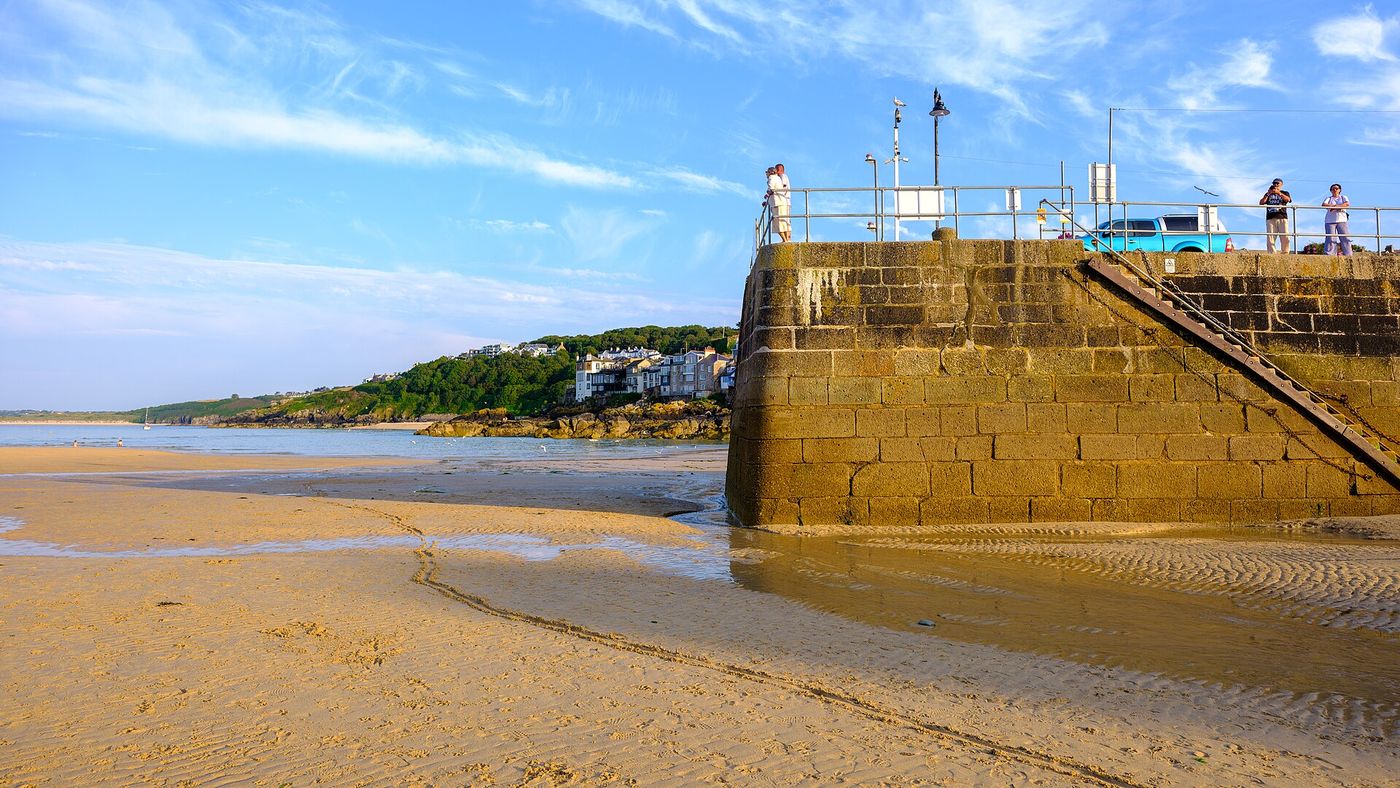
The ferry from Ardrossan takes 55 minutes, and for the second half of it the whole of Arran lies ahead of you: the granite ridge of Goatfell, the long green shoulder of the hills to the south, the string of white villages along the shore. On a clear October morning, with the summer visitors gone and the hills just starting to go brown, it is one of the best approaches to anywhere in Britain, and the fare is £9.70 return on foot.
Arran calls itself Scotland in miniature and for once the slogan is accurate. The island is 20 miles long and the Highland boundary fault runs straight through the middle of it, so the north is all mountains and the south is all farmland and sandy bays. You can climb a proper hill in the morning, visit a distillery after lunch and eat fish and chips on a beach by teatime, and the whole thing fits inside a weekend without a car, if you are willing to use the bus.
I was, and it works. The 324 circles the island in two and a half hours and a day ticket is £8.50. From Brodick, where the ferry lands, I took it to Lochranza on Saturday morning, 40 minutes along a road that hugs the coast under the hills, and walked back over the pass to Sannox, a four-hour route through Glen Sannox that is one of the finest valley walks in Scotland and was, that day, entirely empty. The lower slopes were thick with red deer and the stags were roaring; in October the rut is in full swing and you can hear it from the road.
Lochranza itself has a ruined castle on a spit in the loch, a distillery that opened in 1995 and now makes a single malt I would put against most of Islay’s (tour and tasting £15), and a tea room that does a venison stew. On the way back the bus driver, a man called Dougie who has driven the route for 19 years, stopped without being asked so a woman could photograph an eagle.
Sunday was for the south. Lamlash, the largest village, looks out at Holy Isle, a Buddhist retreat with a lighthouse at each end; the boat across runs until the end of October (£16 return) and the walk to the summit is two hours. Beyond it, Whiting Bay and Kildonan have proper beaches and, at Kildonan, a shore where seals haul out within metres of the hotel bar. I did not climb Goatfell, which at 874 metres is the island’s big hill and a solid five hours from Brodick; I had done it before and the cloud was down. Next time.
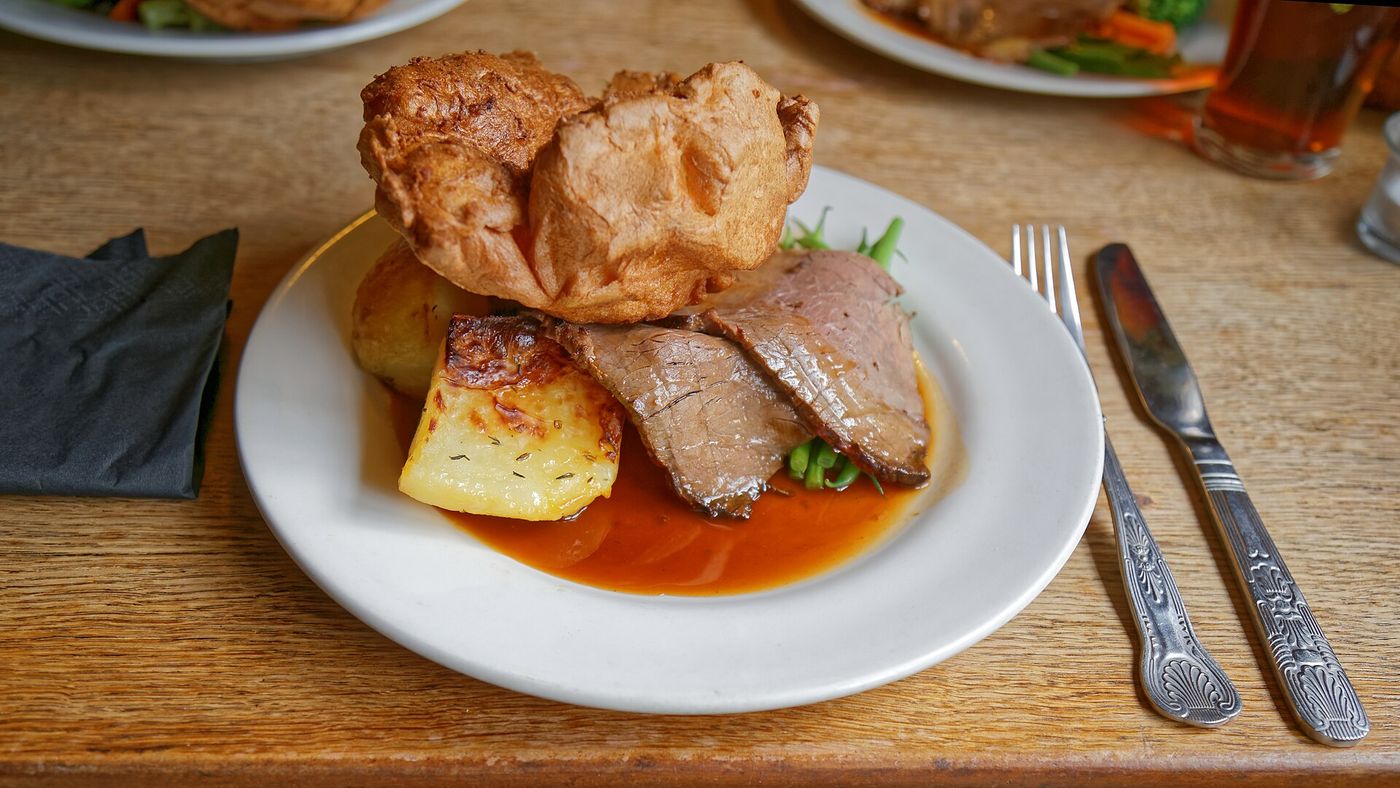
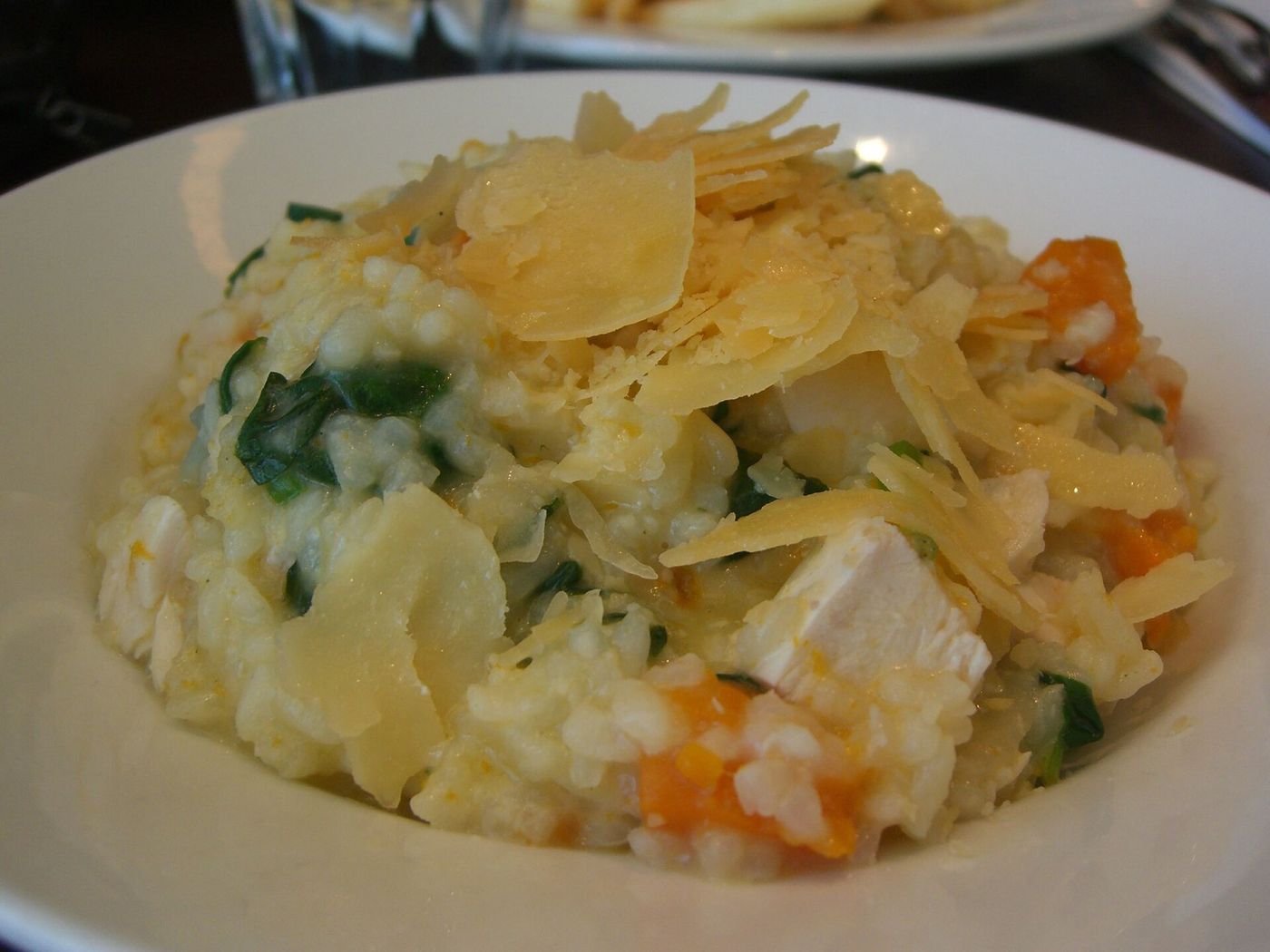
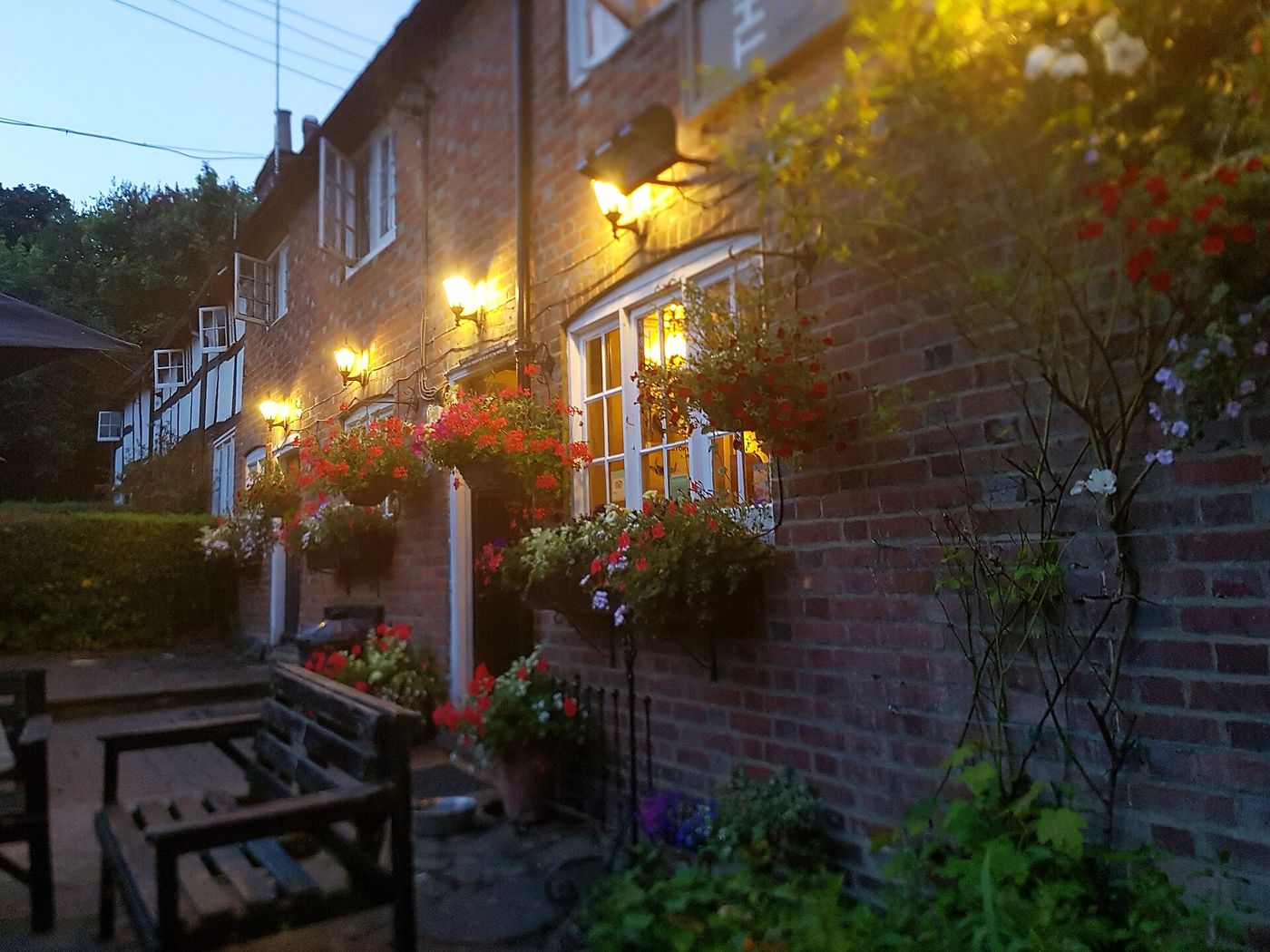
Arran feeds you well for a Scottish island. In Brodick, the Wineport does a Saturday night roast of island lamb (£19) and the Arran Cheese shop at the Home Farm sells a cheddar with a crust of oatmeal that I brought three of home. The Brodick Bar does fish and chips (£14) that are better than they have any need to be. I stayed at a guesthouse on the seafront at £85 a night, breakfast included, run by a couple who moved from Paisley in 2019 and still speak of it as an adventure.
The weekend, with trains from Glasgow Central to Ardrossan (£12.60 return), the ferry, two nights’ bed and breakfast, bus tickets, the distillery tour and meals, came to about £290. Book the ferry; it is still the Calmac service it always was and the Saturday morning sailing fills even in October. And bring a waterproof. It is Scotland in miniature, after all, and that includes the weather.
Sign up to First Edition
Our morning email breaks down the key stories of the day, telling you what's happening and why it matters.
Privacy notice: newsletters may contain info about charities, online ads and content funded by outside parties.