Lifting weights after 50: the case for starting now, and how to do it without hurting yourself
Muscle loss accelerates from the mid-40s and strength training is the one intervention that reliably reverses it, but most people over 50 have never picked up a barbell
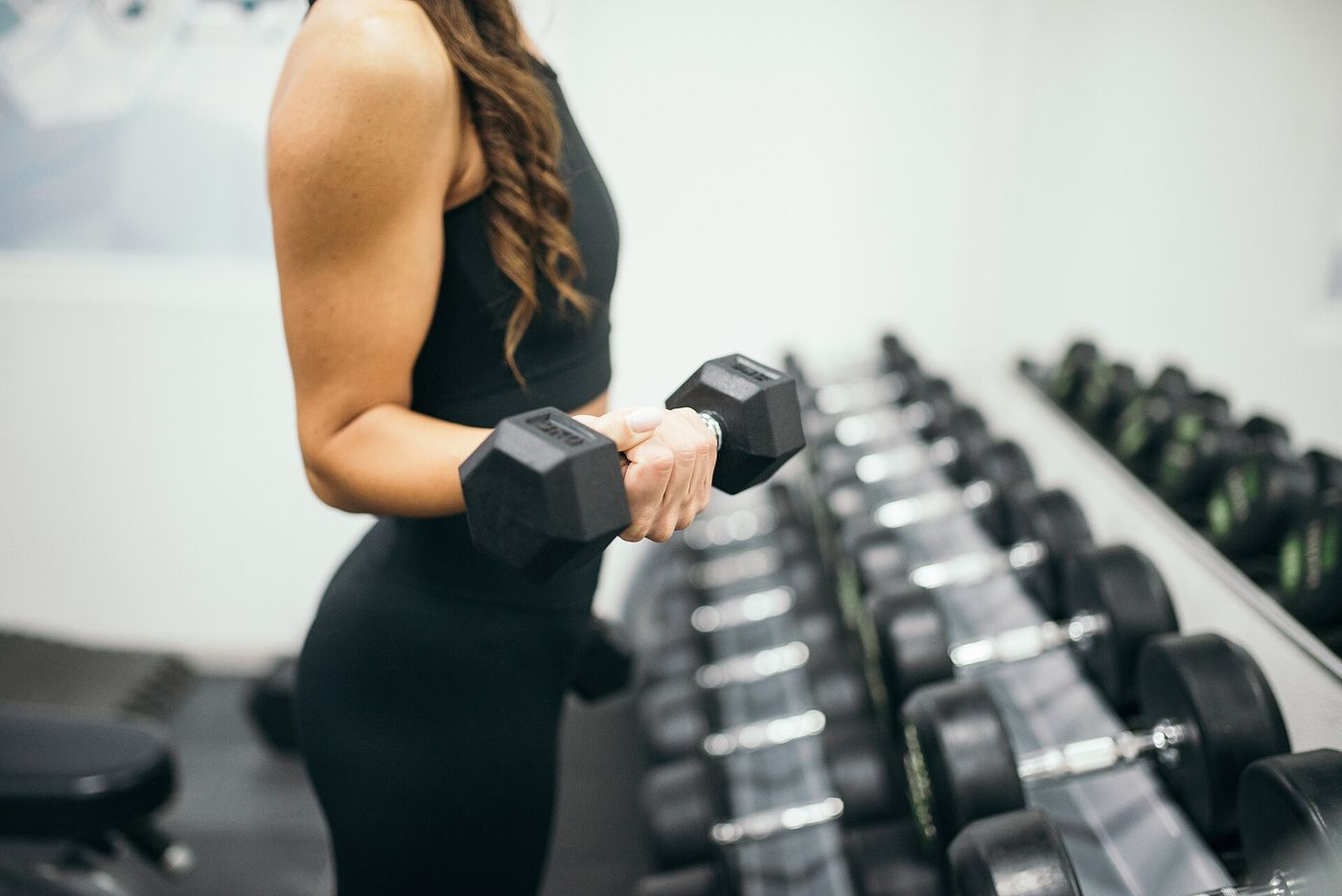
Jean Foley took up weightlifting at 61 after she found she could no longer lift her grandson’s pushchair into the boot of the car. Three years on, the retired midwife from Stockport deadlifts 80kg, has had her osteoporosis diagnosis downgraded to osteopenia and goes to a gym in Hazel Grove three mornings a week with a group of women whose average age, she says, is 64. “I spent 40 years thinking the gym was for other people,” she said. “It turns out the thing I was frightened of was the one thing I needed.”
Her story is becoming common. Gym chains report that the over-55s are their fastest-growing membership group, up 18% in two years at one national operator, and the NHS now includes strength training twice a week in its physical activity guidance for all adults. The reason is muscle. From the mid-40s adults lose between 3% and 8% of their muscle mass per decade, a decline that steepens after 65 and that underlies most of what people think of as ageing: weaker grip, worse balance, falls, the slow narrowing of what the body can do.
“The evidence is unusually clear,” said Dr Marcus Oyelaran, a consultant in geriatric medicine at a hospital in Leicester who runs a strength programme for patients in their 70s and 80s. “Resistance training builds muscle at any age, including in your 90s. It improves bone density, insulin sensitivity, balance and mood. There is no medication that does all of that, and there is nothing else in medicine that I would recommend to literally every patient.”
The barrier is not knowing where to start. Oyelaran’s advice is to forget the word “weightlifting” for the first month and think of six movements: squat, hinge (bending at the hips, as in picking something up), push, pull, carry and getting up from the floor. All six can be done at home with no equipment: a chair squat, a hip hinge with a broom handle along the spine, a press-up against a kitchen counter, a row with a filled rucksack, carrying the shopping, sitting on the floor and standing up without using your hands.
After four to six weeks of that, he says, join a gym and ask for an induction, and be specific: tell them you want to learn a goblet squat, a dumbbell deadlift and a cable row. “Any decent instructor will light up,” he said. “Most people who walk in ask for the treadmill.” A session of three or four exercises, three sets of eight to 12 repetitions each, twice a week, is enough; the weight should feel hard by the last two reps but never make you hold your breath or lose form. Add a little weight every fortnight.
The injuries people fear are real but rare and mostly avoidable. Foley’s gym, run by a former physiotherapist called Dan Whitfield, starts everyone over 50 with eight weeks of technique on light weights before loading, and he says that in six years the only injury in the group has been a pulled calf on the walk to the car. The two mistakes he sees are lifting too heavy too soon and, more often, lifting too light for too long. “Women especially are told to use the pink dumbbells,” he said. “A bag of compost is 20kg. You lift that already.”
Protein matters more with age, and most over-50s eat too little of it: the guidance for older adults is around 1.2g per kilogram of body weight per day, which for a 70kg person is 84g, roughly a portion at each of three meals. And consistency beats intensity. Foley has missed, she thinks, eight sessions in three years. “I am not doing it to look like anything,” she said. “I am doing it so I can get off the floor when I am 85. That, and the pushchair.”
Sign up to First Edition
Our morning email breaks down the key stories of the day, telling you what's happening and why it matters.
Privacy notice: newsletters may contain info about charities, online ads and content funded by outside parties.