The £40,000 roof: why Edinburgh tenement owners are being forced to learn how to run a building
Scotland’s new shared repair rules push owners of flats in the capital’s 19th-century stone blocks to set up owners’ associations and sinking funds, and the bills are arriving
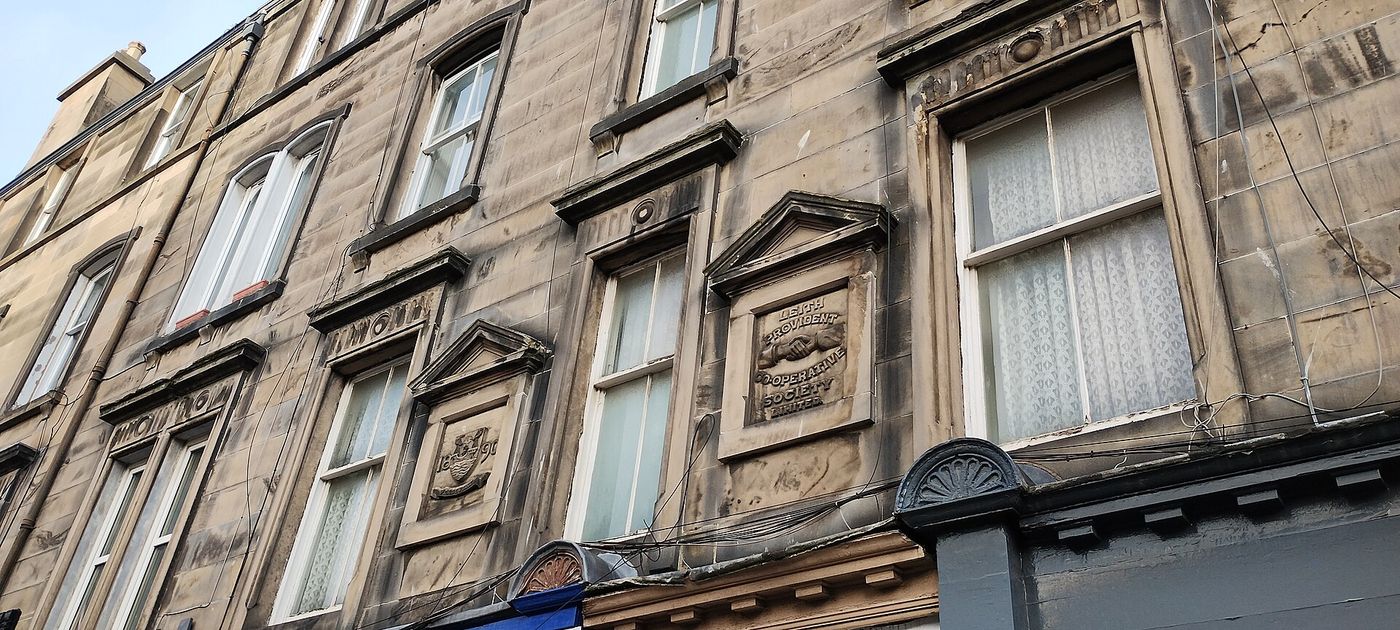
When Catriona Begg bought her two-bedroom flat in a tenement off Leith Walk in 2018 she did not expect to spend her evenings reading about lead flashing. Eight years on she is secretary of an owners’ association for the nine flats in her stair, holds a joint bank account with a balance of £31,000 and has just signed off a roof contract that will cost each owner £4,400. “Nobody tells you when you buy a flat in Edinburgh that you have bought a ninth of a Victorian roof,” she said. “You find out when it leaks.”
Begg is at the front of a change that is working through the Scottish capital. Around 70% of Edinburgh’s homes are flats and the majority of those are in stone tenements built between 1860 and 1914, which are now reaching the point where their original roofs, gutters, chimneys and stonework need wholesale renewal rather than patching. Surveys by the city council suggest that half the tenements in the city have significant outstanding repairs and that the average bill per building is between £40,000 and £80,000.
The problem has always been getting owners to agree. Scots law has long allowed a majority of owners to force a shared repair, but in practice stairs with a mix of owner-occupiers, buy-to-let landlords, elderly residents and absent heirs have struggled to act, and buildings have deteriorated. That is changing. Legislation passed at Holyrood last year requires owners of tenement flats to form an owners’ association, commission a building survey every five years and contribute to a reserve fund, with the rules phased in from this autumn.
Property factors and surveyors say the effect has been immediate. “We have had more enquiries for condition surveys in the past six months than in the previous three years,” said Ewan Dalgleish, a chartered surveyor whose firm works across the Old Town and Marchmont. “Owners are discovering what their building actually needs and the number is often a shock. A full roof and chimney renewal on a four-storey tenement with 12 flats is £60,000 to £90,000, and that is before you touch the stonework.”
The money is the hard part. Dalgleish says the sensible model, which Begg’s stair adopted in 2022, is a monthly contribution to a shared account of £60 to £100 per flat, which over five years builds a fund large enough to cover a roof without emergency levies. The council runs a scheme that will lend owners who cannot pay their share, secured against the flat and repaid on sale, and around 300 owners have used it in the past year. But for landlords with several flats and for owners on fixed incomes, a £5,000 bill is a hard conversation.
It also changes how flats are bought and sold. Solicitors say buyers in Edinburgh now routinely ask for the owners’ association minutes, the survey and the reserve fund balance alongside the home report, and that stairs with a healthy fund and a recent roof are starting to command a premium. “A well-run tenement is worth more,” said Dalgleish. “That is new. For a long time nobody priced it in because nobody looked.”
Begg’s roof goes on in November, weather permitting, with scaffolding up for six weeks. She says the association has had two resignations, one shouting match and a Christmas drinks party in the time it has existed, and that she would do it again. “The building was here 140 years before us,” she said. “It would be nice if it was here after.”
Sign up to First Edition
Our morning email breaks down the key stories of the day, telling you what's happening and why it matters.
Privacy notice: newsletters may contain info about charities, online ads and content funded by outside parties.