Porto in October: the best month for Portugal’s second city, with the heat gone and the harvest in
Two and a half hours from Manchester or Bristol, a riverside city of tiled churches, port lodges and £3 lunches that is finally cool enough to walk
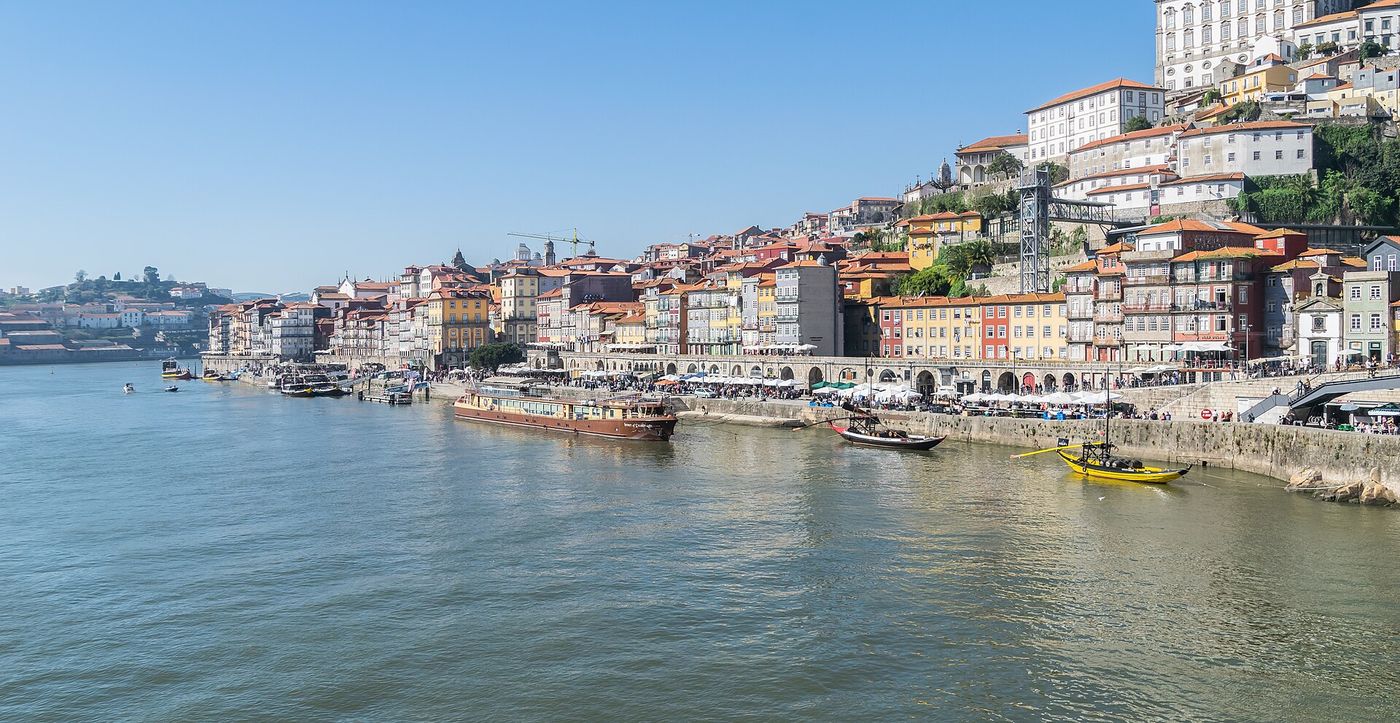
Porto in July is 32 degrees and full. Porto in October is 21 degrees, the harvest is in up the Douro, the river is high and the city is doing what it does best, which is sitting outside with a glass of something and watching the light go off the bridges. It is a two-and-a-half-hour flight from Manchester, Bristol, Edinburgh or Stansted, and for a four-day break at the end of the month it is hard to think of anywhere better.
The city is built on a steep bank of the river Douro and the first thing to understand is that you will walk up and down a great deal. The second is that this is the point. From the station at São Bento, whose entrance hall is lined with 20,000 blue-and-white azulejo tiles, the streets drop through the old town to the Ribeira, a waterfront of tall, narrow, peeling houses that is now a Unesco site and, in the evening, one long terrace of restaurants. Across the river, over the iron Dom Luís I bridge, Vila Nova de Gaia holds the port lodges, their names painted in vast letters on the roofs.
I did the lodges on the first afternoon, which is the right order: do the thing everyone does, then get on with the rest. Of the dozen that offer tours I would pick a smaller family house over the famous names; the one I visited, in a 19th-century warehouse behind the riverfront, charged £16 for an hour and four glasses, including a 20-year-old tawny that I would have happily paid £16 for on its own. The guide, Inês, was a fourth-generation employee and talked about the 2026 harvest, just finished, as a “good, hot, small” year.
Porto’s pleasures after that are mostly cheap and mostly edible. A francesinha, the city’s terrifying sandwich of steak, sausage and ham under melted cheese and a beer-and-tomato sauce, costs about £10 and is a once-per-visit event; I had mine at a cafe near the Bolhão market, which reopened in 2022 after a four-year restoration and is now the best place in the city for lunch. A plate of grilled sardines with boiled potatoes at a market counter was £7; a glass of vinho verde £2.50; an espresso 80p. The pastel de nata at Manteigaria on Rua de Alegria is £1.20 and worth the queue.
Two trips out of town earned their place. The first was the tram, the vintage number 1, which trundles along the riverbank from the Ribeira to the mouth of the Douro at Foz, where there is an Atlantic beach, a fort and a row of cafes on the sea wall (£3.50 each way). The second was the train up the Douro valley to Pinhão, two hours and 20 minutes from São Bento and £12 return, which for the last hour runs along the river between terraced vineyards. In October the vines are red and gold. I had lunch in Pinhão, walked up through the terraces to a viewpoint and was back in Porto for dinner.
I stayed in a small hotel in the Cedofeita district, a 15-minute walk from the centre, at £95 a night for a room with a tiled balcony. Flights from Manchester, booked a month ahead, were £112 return. Four days, all in, came to about £560 for one. The crowds come back at Easter. Go before.
Sign up to First Edition
Our morning email breaks down the key stories of the day, telling you what's happening and why it matters.
Privacy notice: newsletters may contain info about charities, online ads and content funded by outside parties.