
Whitehall to shed 15,000 jobs through voluntary exits as 40 arm’s-length bodies are merged
Cabinet Office plan would cut the civil service to 495,000 by 2029 and fold bodies including three regulators and 11 advisory committees into their parent departments
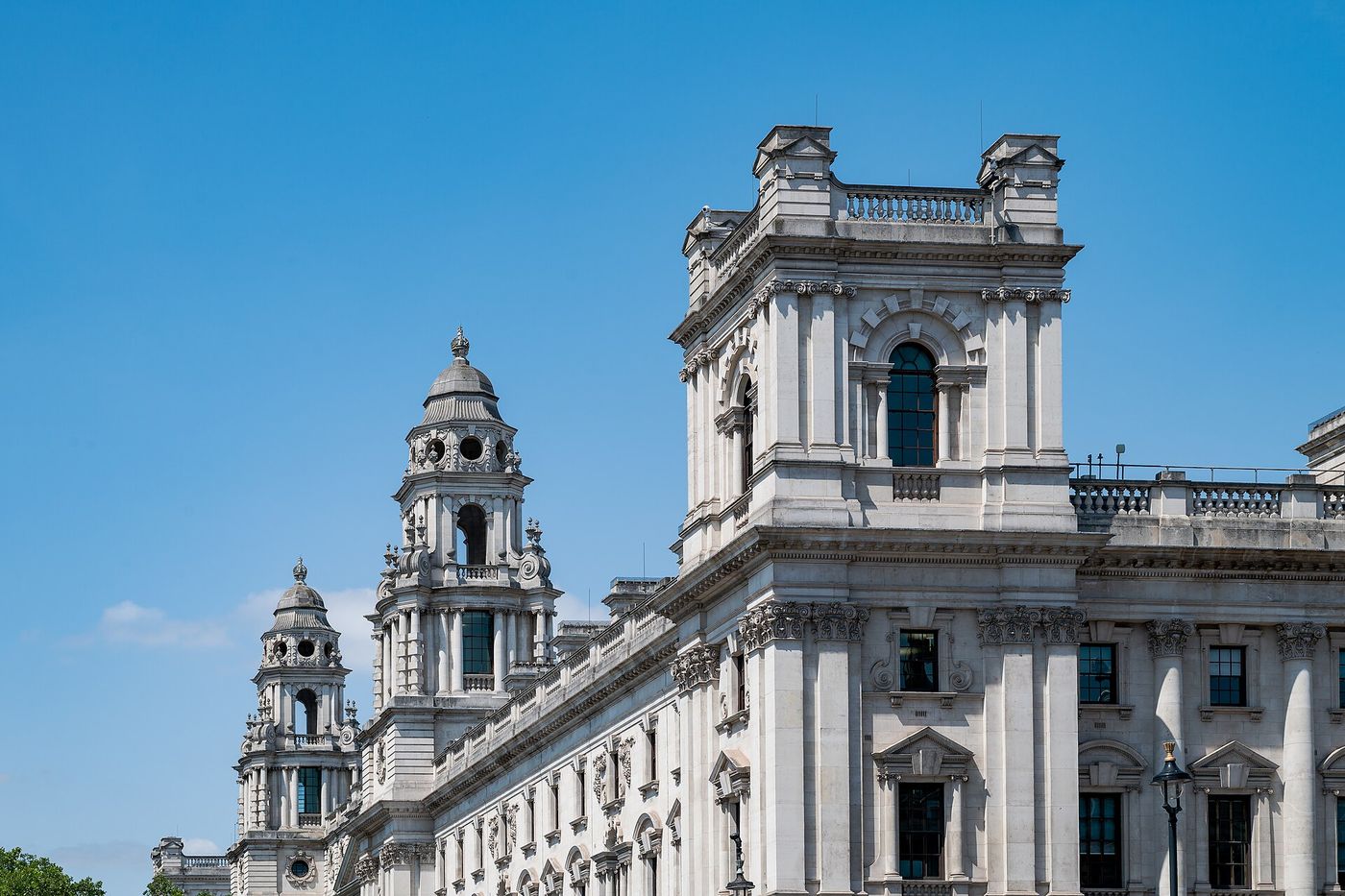
The civil service will be reduced by 15,000 posts over three years through a voluntary exit scheme, and 40 arm’s-length bodies will be abolished or merged into their sponsoring departments, under a plan published by the Cabinet Office on Monday that ministers say will save £1.1bn a year by 2029.
The exit scheme, which opens in January, will offer up to 18 months’ salary to staff who leave, with departments told to target “policy and corporate functions” rather than frontline roles in prisons, job centres and borders. Civil service headcount, which stood at 384,000 in 2016 and reached 513,000 last year, would fall to about 495,000. Ministers have ruled out compulsory redundancies before 2028.
The list of bodies to be absorbed includes the Office for Place, the Low Pay Commission’s secretariat, three small regulators in the environment and transport fields and 11 expert advisory committees, whose work will move to standing panels within departments. The government has described the exercise as removing “duplication, not expertise”.
The FDA, the union for senior civil servants, said it would not oppose a voluntary scheme but warned that experience would walk out of the door. “The people who take these offers are the ones with options, which means the ones you most want to keep,” a spokesperson said. “Every exit scheme since 2010 has been followed within two years by a recruitment drive for the skills that just left.”
Sunita Varma, director of the Centre for Public Finance, said the savings were plausible but the timing was not. “You cannot cut 15,000 posts and simultaneously deliver a three-year spending settlement, a spending review and a programme of NHS reform,” she said. “Something gives, and historically it is the thing that does not have a minister shouting about it.”
Dr Robert Ellingham, who was a permanent secretary in two departments before retiring in 2022, was more sympathetic. “The civil service got bigger for reasons: the pandemic, Brexit, Ukraine. Some of that has to come back out,” he said. “The question is whether the exits are managed or just happen to whoever applies first. My experience is that the second is more common.”
The plan also commits every department to publishing an annual headcount target and to cutting consultancy spend, which reached £1.6bn last year, by 30%. A Cabinet Office spokesperson said: “A smaller, more skilled civil service, focused on delivery, is what the public expects. This plan delivers it without a single compulsory job loss.”
Unions representing lower-paid staff said they would ballot members if the scheme was used to “close offices by stealth”. The first exits are expected in April.
Sign up to First Edition
Our morning email breaks down the key stories of the day, telling you what's happening and why it matters.
Privacy notice: newsletters may contain info about charities, online ads and content funded by outside parties.

