
Glasgow battery start-up Gridloom raises £48m in Scotland’s biggest funding round of the year
The four-year-old company’s software decides second by second when grid-scale batteries should charge and sell, and now controls 1.4GW of storage across Britain and Ireland
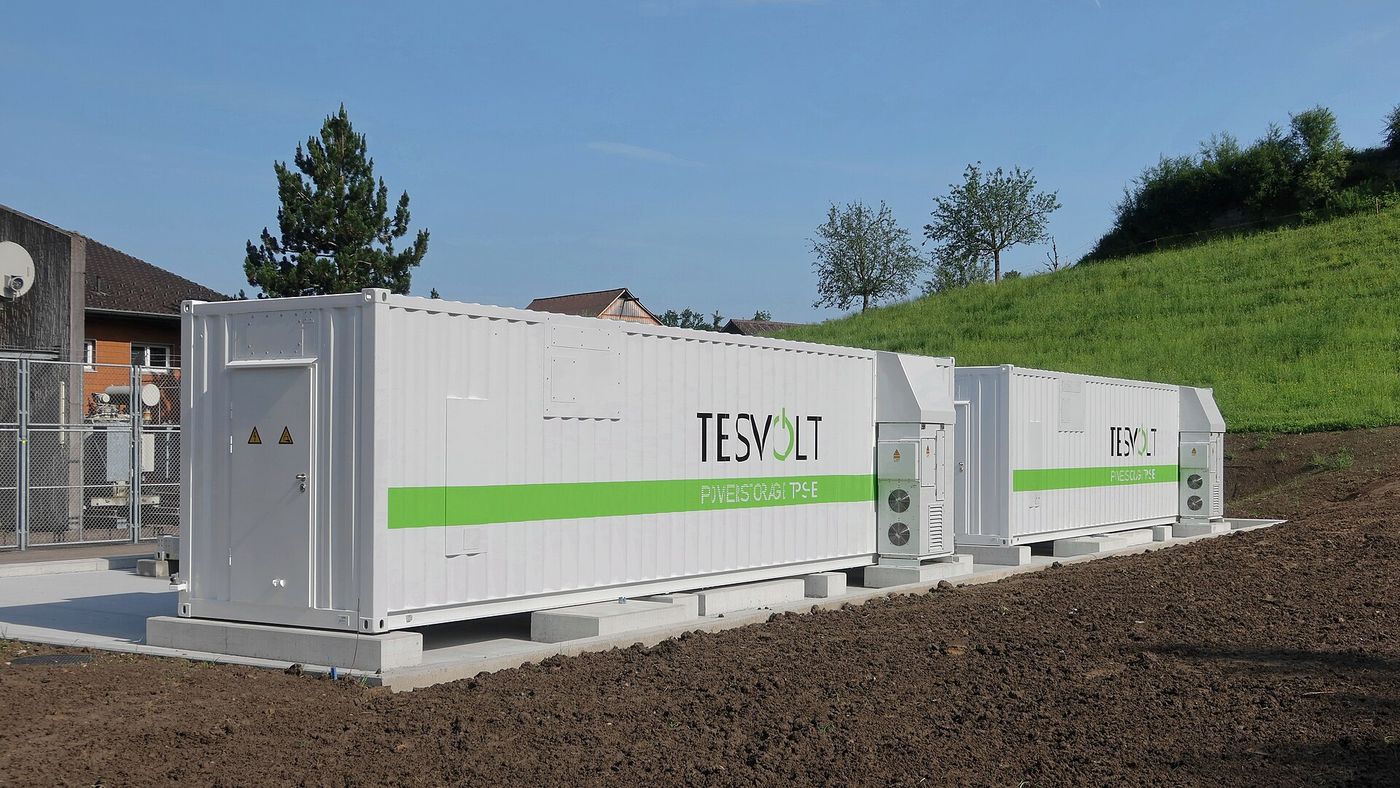
Gridloom, a Glasgow company whose software controls when large batteries on the electricity grid charge and discharge, has raised £48m from investors in the largest funding round for a Scottish start-up this year.
The series B round was led by the London venture firm Hollis Ventures, with the National Wealth Fund and the Scottish National Investment Bank taking stakes. It values the company, which was founded in 2022 by two former grid engineers, at about £260m. Gridloom said it would use the money to double its 85-strong workforce and open an office in Dublin.
The company’s software is used by the owners of 1.4 gigawatts of battery storage, roughly a quarter of all the grid-scale batteries in Britain, to decide second by second whether to buy electricity, sell it or hold it in reserve for the National Energy System Operator, which pays batteries to help keep the grid stable. Gridloom takes a share of the revenue its customers earn.
“A battery on the grid is making about 30,000 decisions a day, and a human cannot do it,” said the co-founder and chief executive, Niamh Docherty. “Prices in the wholesale market now swing from minus £50 to plus £300 in the same afternoon because of the amount of wind on the system. The money is in being right about when, and that is what we sell.”
Battery storage has become one of the fastest-growing parts of the British energy industry, with about 6GW now connected and a further 20GW holding planning permission. Returns for owners, however, fell sharply in 2024 as more batteries competed for the same balancing contracts, and the industry has turned to software to squeeze out margin. Gridloom says its customers earned 23% more per megawatt last year than the market average.
Dr Samuel Adeyinka, a partner at Hollis Ventures, said the firm had looked at “more than 40 companies claiming to do this” before backing Gridloom. “Most of them have a dashboard and a story,” he said. “This one has four years of trading data that shows it beats the market, and a customer base that renews. That is rare in energy software.”
The round is a rare bright spot in a year in which venture investment in Scotland has fallen by about a fifth. Gridloom said it had considered moving its headquarters to London in 2024 but had stayed in Glasgow because of the city’s pool of engineering graduates and the proximity of several large battery developers. Ms Docherty said: “We have hired 40 people from Strathclyde and Glasgow universities. You cannot do that from Shoreditch.”
The company is loss-making, with revenue of £11m last year, but says it expects to break even in 2027. It has no plans to float, Ms Docherty said, “until the market for that sort of thing is less miserable”.
Sign up to First Edition
Our morning email breaks down the key stories of the day, telling you what's happening and why it matters.
Privacy notice: newsletters may contain info about charities, online ads and content funded by outside parties.

