
Arizona told to cut Colorado River use by a fifth as seven states fail to agree a deal
With Lake Mead at 1,052ft and the current rules expiring in December, the federal government has imposed its own allocation for 2027
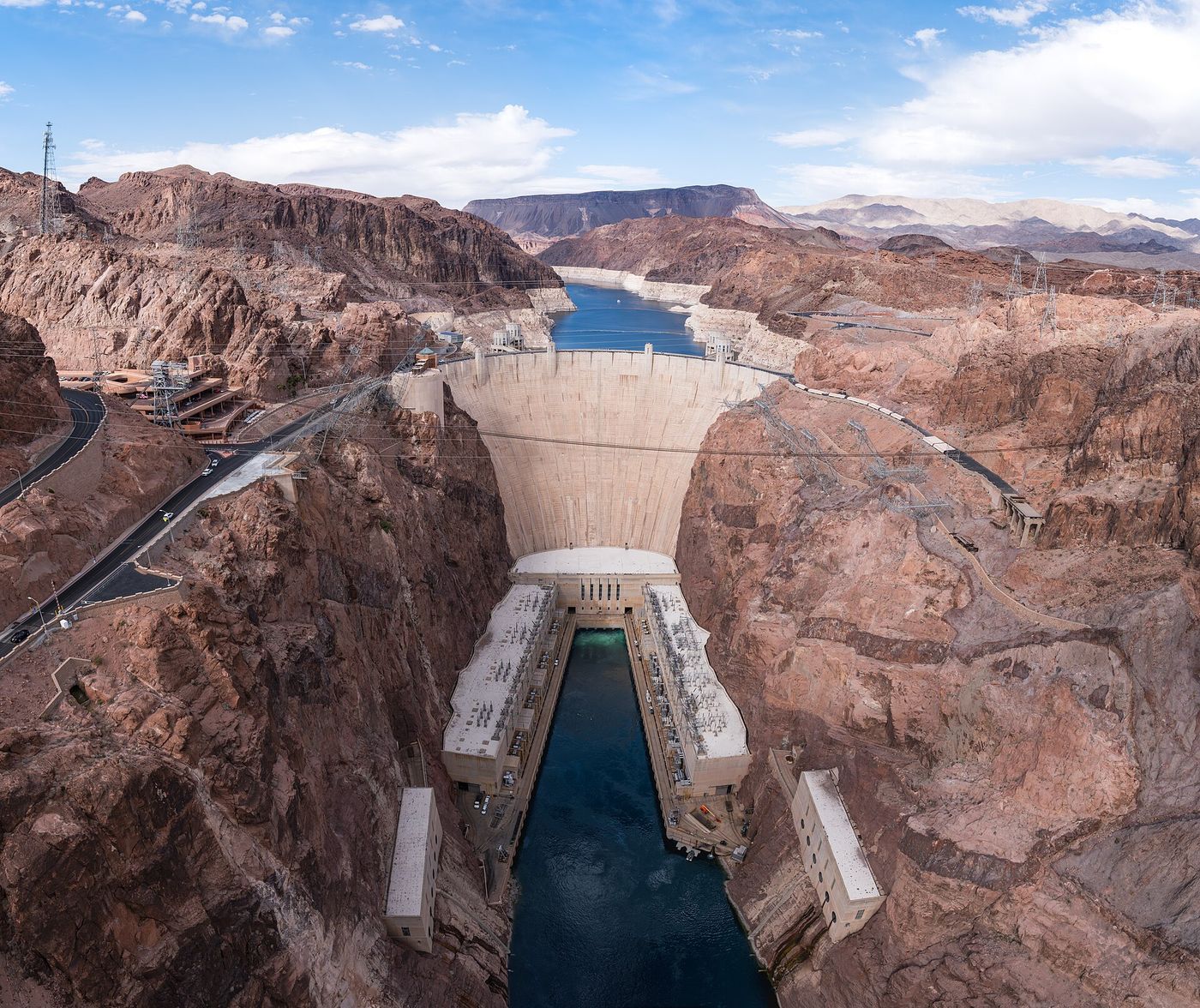
Arizona will lose 21% of its Colorado River water in 2027 after the seven states that share the river missed a final deadline to agree new rules among themselves, leaving the federal Bureau of Reclamation to impose an allocation for the first time in the river's century-long legal history.
The decision, announced on Friday, cuts Arizona's take by 592,000 acre-feet, enough to supply about 1.2 million homes for a year. Nevada loses 8% and California, whose rights are senior under the 1922 compact that divides the river, 4%. The four upper basin states of Colorado, Utah, Wyoming and New Mexico, which argued that they had never used their full share, face no mandatory cuts but must report their use monthly.
The river supplies 40 million people and 5.5 million acres of farmland and has been in drought for 26 years. Lake Mead, the reservoir behind the Hoover dam, stood at 1,052ft on Monday, about 30% full. Below 1,025ft the bureau has said it cannot guarantee power generation at the dam; below 950ft water would no longer flow through it.
Most of Arizona's cut will fall on agriculture in Pinal County, between Phoenix and Tucson, where farmers hold the lowest-priority rights. “I farmed 1,900 acres of alfalfa and cotton in 2021. Next year I will farm 400,” said Maria Esquivel, whose family has grown cotton near Casa Grande since 1954. “We have known this was coming since the first cuts in 2022. Knowing does not help you pay for a well that goes 900ft down.”
The cities are less exposed. Phoenix has said it can absorb its share through conservation and water banked in underground aquifers, and the Central Arizona Project, the 336-mile canal that carries river water to the state's interior, said deliveries to municipal customers would be unchanged. But the state's 2023 decision to halt new housing permits in parts of the Phoenix suburbs that rely on groundwater is expected to be widened.
“Everybody has known for 20 years that the river was over-allocated by about 20%, and everybody hoped somebody else would take the hit,” said Dr Nathan Kowalski, a hydrologist at Arizona State University. “What has happened now is that the federal government has made the decision the states could not. That will be litigated. But the water does not wait for the court.”
The imposed rules run for one year. The bureau said the states had until next August to agree a long-term framework or face a second federal allocation, which it indicated would be deeper. California's largest agricultural district has already said it will challenge the cut to its allocation in court.
The Colorado no longer reaches the sea in most years. It last did so, briefly and by deliberate release, in 2014.
Sign up to First Edition
Our morning email breaks down the key stories of the day, telling you what's happening and why it matters.
Privacy notice: newsletters may contain info about charities, online ads and content funded by outside parties.

