
MPs to vote on £11bn plan to leave Palace of Westminster for eight years
Full move to Richmond House and the QEII centre from 2031 is the cheapest of three options, restoration body says, as fire wardens patrol the building around the clock
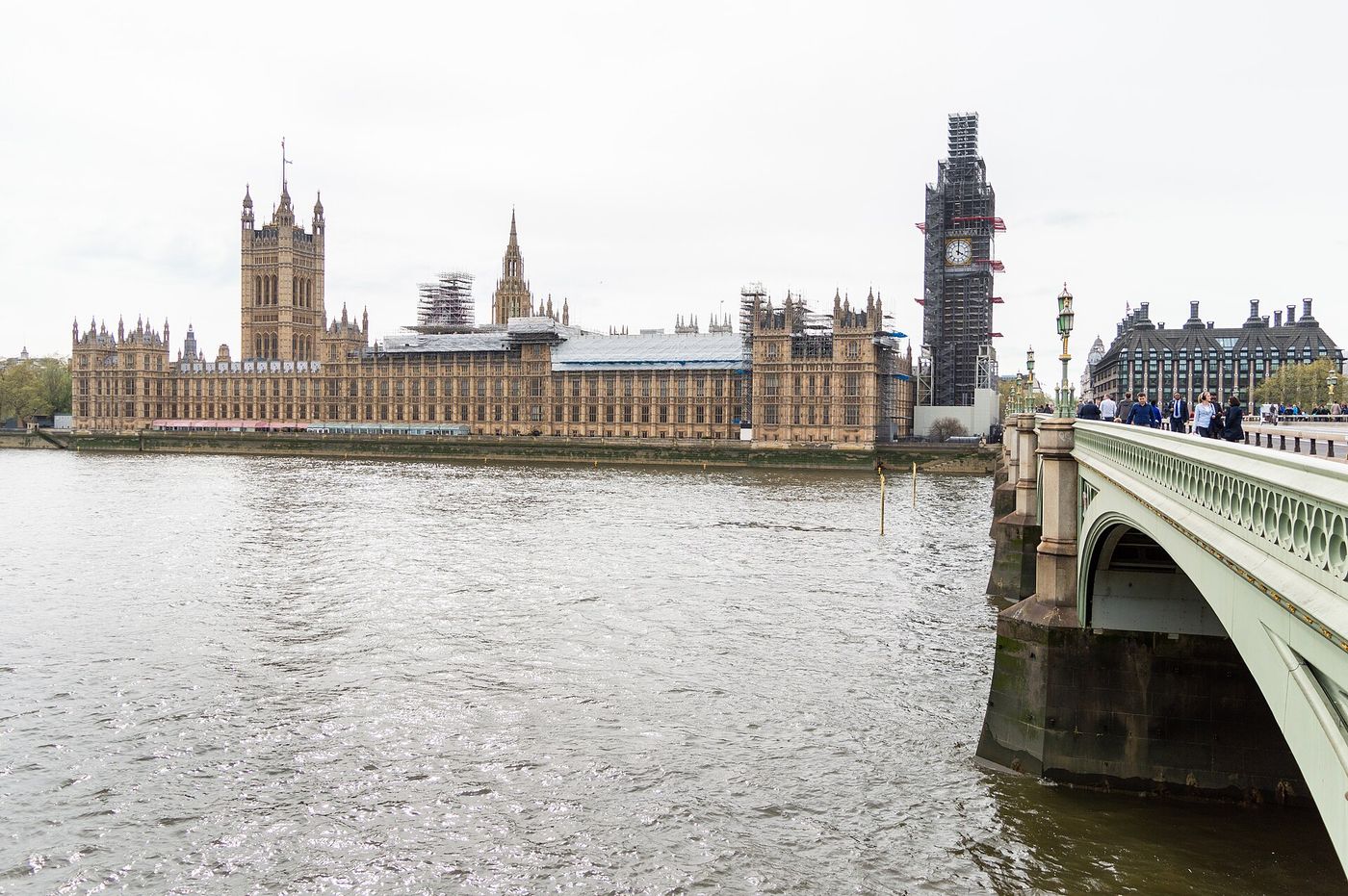
MPs will be asked before Christmas to approve an £11.2bn programme to restore the Palace of Westminster that would see both Houses of Parliament leave the building for eight years from 2031, after a report published on Wednesday concluded that trying to carry out the work with politicians still inside would cost almost twice as much and take until the 2050s.
The Restoration and Renewal programme set out three options. A full decant, with the Commons sitting in a rebuilt Richmond House on Whitehall and the Lords in the Queen Elizabeth II conference centre, would cost between £10.4bn and £12bn and take eight to nine years. A “partial” approach, keeping the Commons chamber in use, would cost up to £17bn over 19 years. Continuing with rolling repairs, the current approach, would cost £22bn over 30 years and “cannot guarantee the building’s survival”.
The figures confirm what engineers have been telling MPs for a decade. The palace’s basement contains 98 miles of cabling and steam pipes, much of it installed in the 1940s; fire wardens have patrolled 24 hours a day since 2016, during which time 44 fires have been put out before the brigade was called. In March a section of Victorian stonework weighing 40kg fell into a courtyard used by staff.
“Every year we wait, the price goes up by about £400m and the risk goes up by an amount nobody can quantify,” said Alison Threadgold, the programme’s delivery director. “We have reached the point where the only genuinely expensive option is the one where we keep talking about it.”
Parliament voted in 2018 for a full decant, then reversed itself in 2022 after the estimated cost rose and the pandemic changed the mood. The new vote has been structured to be final: once approved, the programme would move to detailed design, with contracts let in 2028 and the move in the spring of 2031, after the general election due that year.
Opposition to the move comes from MPs who fear that parliament, once out, will never go back, and from those who regard the cost as indefensible when public services are under pressure. One former minister said on Wednesday that “£11bn buys a lot of hospitals”. Supporters point out that the building is a Unesco world heritage site that receives a million visitors a year and that, as one Commons official put it, “nobody has yet proposed knocking it down”.
Mark Pennington, a fire engineer who advised the programme, said the risk of a catastrophic fire was “not hypothetical”. “The wiring is the wiring that caught fire at Notre-Dame, in a building with more timber and fewer sprinklers,” he said. “If it goes, it goes in an afternoon.”
The vote is expected in the week of 7 December. Both main parties have said they will allow a free vote.
Sign up to First Edition
Our morning email breaks down the key stories of the day, telling you what's happening and why it matters.
Privacy notice: newsletters may contain info about charities, online ads and content funded by outside parties.

