
Arable farmers face thinnest margins in a decade as wheat falls below £160 a tonne
A large global harvest has pushed prices to their lowest since 2020 while fertiliser, diesel and labour costs remain well above pre-pandemic levels, leaving many growers below break-even
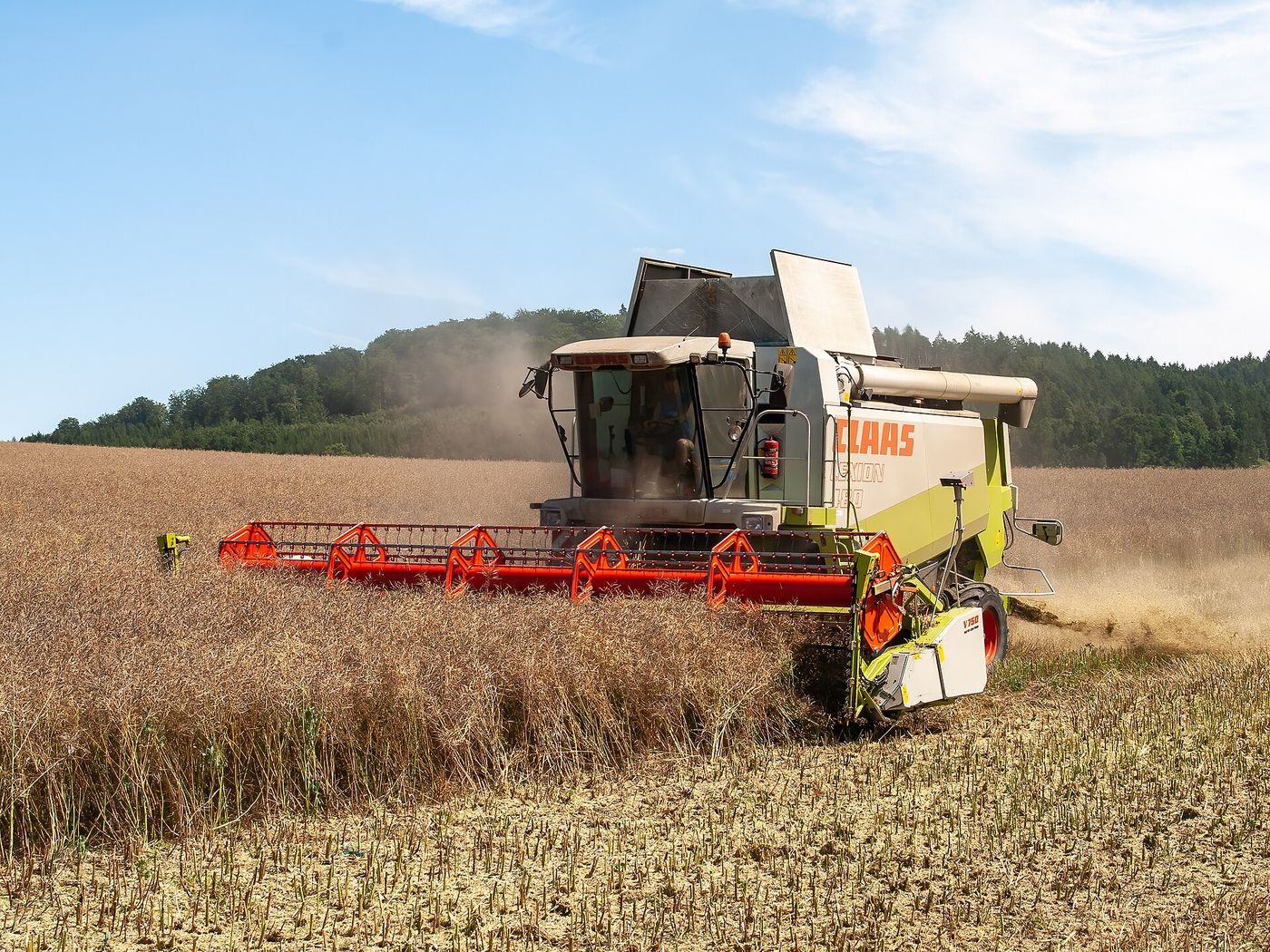
Arable farmers across eastern England and Scotland are facing their worst margins in a decade after the price of feed wheat fell below £160 a tonne for the first time since 2020, with many growers saying this year’s harvest will lose money on every hectare.
Figures from the Agriculture and Horticulture Development Board show the price of feed wheat delivered to East Anglian mills fell to £158 a tonne this week, down from £195 a year ago and £290 at the peak of the 2022 spike. A large harvest in the Black Sea region and record plantings in Australia have weighed on global prices, while the strength of sterling has made British grain less competitive for export.
At the same time, the cost of growing it has barely fallen. Ammonium nitrate fertiliser is trading at about £340 a tonne, 45% above its 2019 level, and red diesel at 78p a litre is a third higher. AHDB estimates the average cost of producing a tonne of wheat on an English farm this year at £182, which means a typical grower is losing about £24 on every tonne sold.
Robert Haigh, who farms 480 hectares near Sleaford in Lincolnshire, said his wheat yielded 8.9 tonnes a hectare this year, a decent crop, but that the price had “made a mockery of it”. He said: “I have been doing this for 34 years and I have never had a year where a good harvest felt like bad news. We will cover the cash costs and not a penny of the rent, the machinery or my own wages. Next year I will drill less wheat and more beans, and so will everyone else, and then there will be a wheat shortage and the price will go up. That is farming.”
The National Farmers’ Union said the squeeze was pushing growers towards the government’s environmental land management schemes, which pay farmers to take land out of production for wildflower margins, winter bird food and herbal leys. Applications to the scheme rose by 40% in the summer, and a spokesperson said some growers were now “earning more per hectare from not growing wheat than from growing it”.
Dr Fiona Mackay, an agricultural economist at the Scottish Rural College, said the picture was particularly difficult for tenant farmers, who account for about a third of arable land and have no scope to absorb losses against the value of land they do not own. “A landowner can ride out two bad years,” she said. “A tenant paying £250 an acre in rent cannot.”
The Department for Environment, Food and Rural Affairs said it recognised the pressure on growers and pointed to a £5bn farming budget over two years and to a review of grain market transparency due to report in the spring. Millers said consumers would see little benefit from the lower price because wheat accounts for only about 10% of the cost of a loaf.
Mr Haigh was unmoved. “The price of bread has gone up every year I can remember,” he said. “The price I get for the wheat has gone down. Somewhere in between, somebody is doing all right.”
Sign up to First Edition
Our morning email breaks down the key stories of the day, telling you what's happening and why it matters.
Privacy notice: newsletters may contain info about charities, online ads and content funded by outside parties.

