
Dutch unveil €24bn plan to raise dykes for a sea one metre higher by 2100
The Delta Programme's 20-year blueprint would strengthen 1,500km of coast and river defences, and shut the Eastern Scheldt barrier up to 30 times a year
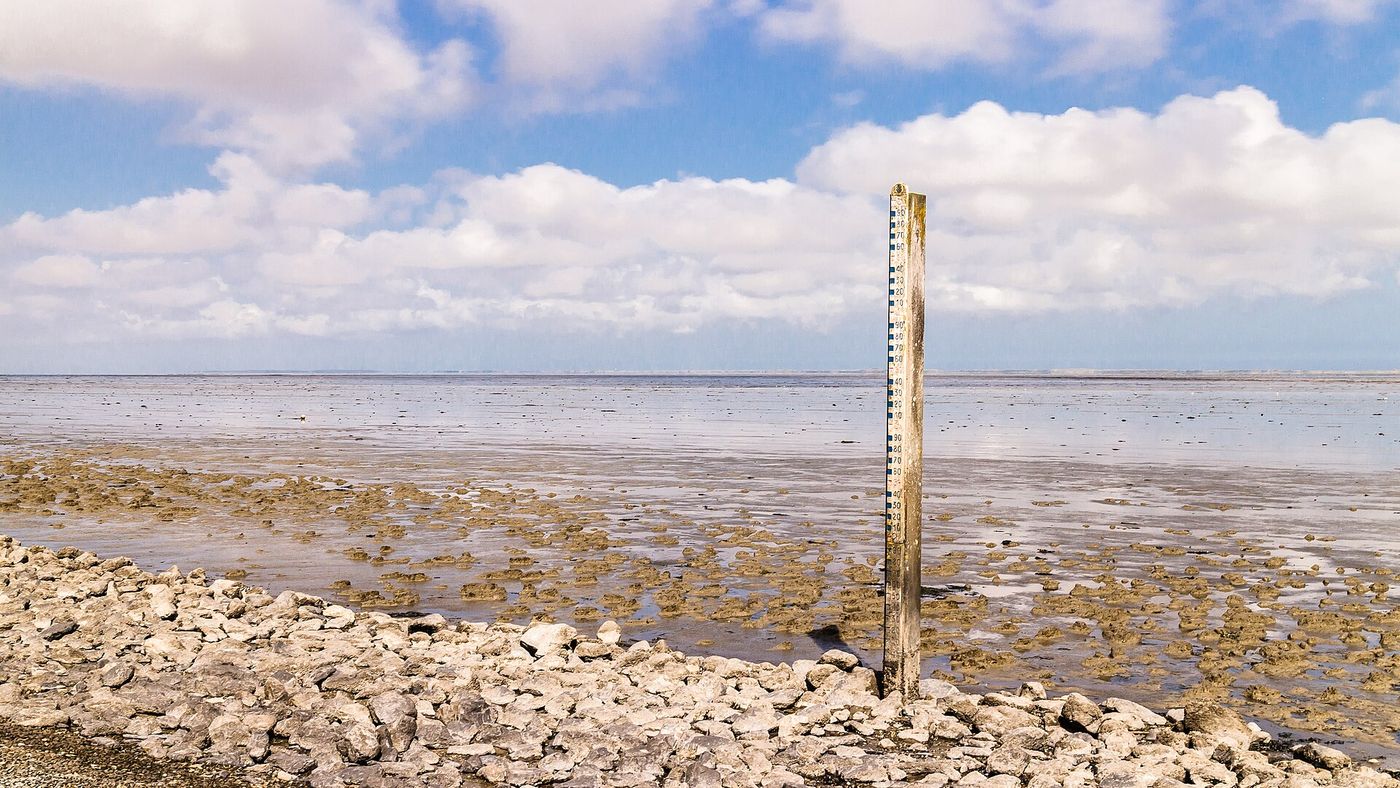
The Netherlands will spend €24bn over 20 years raising and widening its sea and river defences, the government's Delta Programme announced on Monday, in the first comprehensive revision of the country's flood strategy since it was drawn up after the 1953 storm surge.
The plan assumes sea levels one metre higher than today by 2100 and sets a new standard under which no Dutch citizen should face a greater than one in 100,000 annual chance of dying in a flood. About 1,500km of the 3,800km network of primary dykes and dunes will be reinforced, with the work concentrated on the Wadden Sea coast, the Rhine delta and the river dykes of Gelderland and Overijssel, where the programme found 420km of defences would fail the new standard within 15 years.
Rijkswaterstaat, the national water agency, said the Eastern Scheldt storm surge barrier, the 9km structure finished in 1986 that currently closes about once a year, would by 2050 close up to 30 times a year, and that its replacement would need to be designed from the mid-2040s. The Maeslant barrier protecting Rotterdam, which has closed in anger only twice, would close several times each winter.
“We have been living on the credit of what our grandparents built, and the bill has arrived,” said Pieter van der Molen, a hydraulic engineer at the research institute Deltares who advised on the plan. “Nothing in this programme is technically difficult. What is difficult is that a higher dyke is a wider dyke, and a wider dyke means buying farms, moving villages and losing nature reserves. The engineering takes 20 years. The arguments take longer.”
The programme identifies 3,100 homes and 210 farms that would need to be bought or relocated, most of them on the landward side of river dykes between Nijmegen and Deventer. Compensation is set at market value plus 15%.
Anneke de Vries, who farms 90 hectares of dairy pasture behind the Westerschelde dyke in Zeeland, is in the first group. “My family has been on this land since 1832, and I understand that the water does not care,” she said. “What I want is to know by when. People cannot invest in a barn if they are leaving in 2031 or 2041.”
The plan also sets aside €2.1bn for what it calls “room for the river”, lowering floodplains and moving dykes back to let rivers spread, and €800m for sand replenishment on the North Sea coast, which currently receives 12 million cubic metres a year and will need 20 million.
Parliament will debate the programme in November. The Delta Fund, which finances it, is protected by law from annual budget cuts, a provision that has survived nine governments since 2012.
Sign up to First Edition
Our morning email breaks down the key stories of the day, telling you what's happening and why it matters.
Privacy notice: newsletters may contain info about charities, online ads and content funded by outside parties.

