
South Africa marks 18 months without blackouts as rooftop solar rewrites the grid
The country installed 7.5GW of private solar in three years, more than a quarter of what Eskom's coal plants can deliver, and demand on the state grid has fallen
South Africa has gone 18 months without scheduled power cuts, the longest such period in 15 years, and the state utility Eskom said on Monday that it expected to get through the coming summer without them for the first time since 2007.
The country's blackouts, known as load-shedding, peaked in 2023 when households and businesses lost power for up to 12 hours a day on 335 days of the year, at a cost the central bank put at 2% of economic output. They were suspended in March 2024, returned briefly in early 2025, and have not been needed since the end of that April.
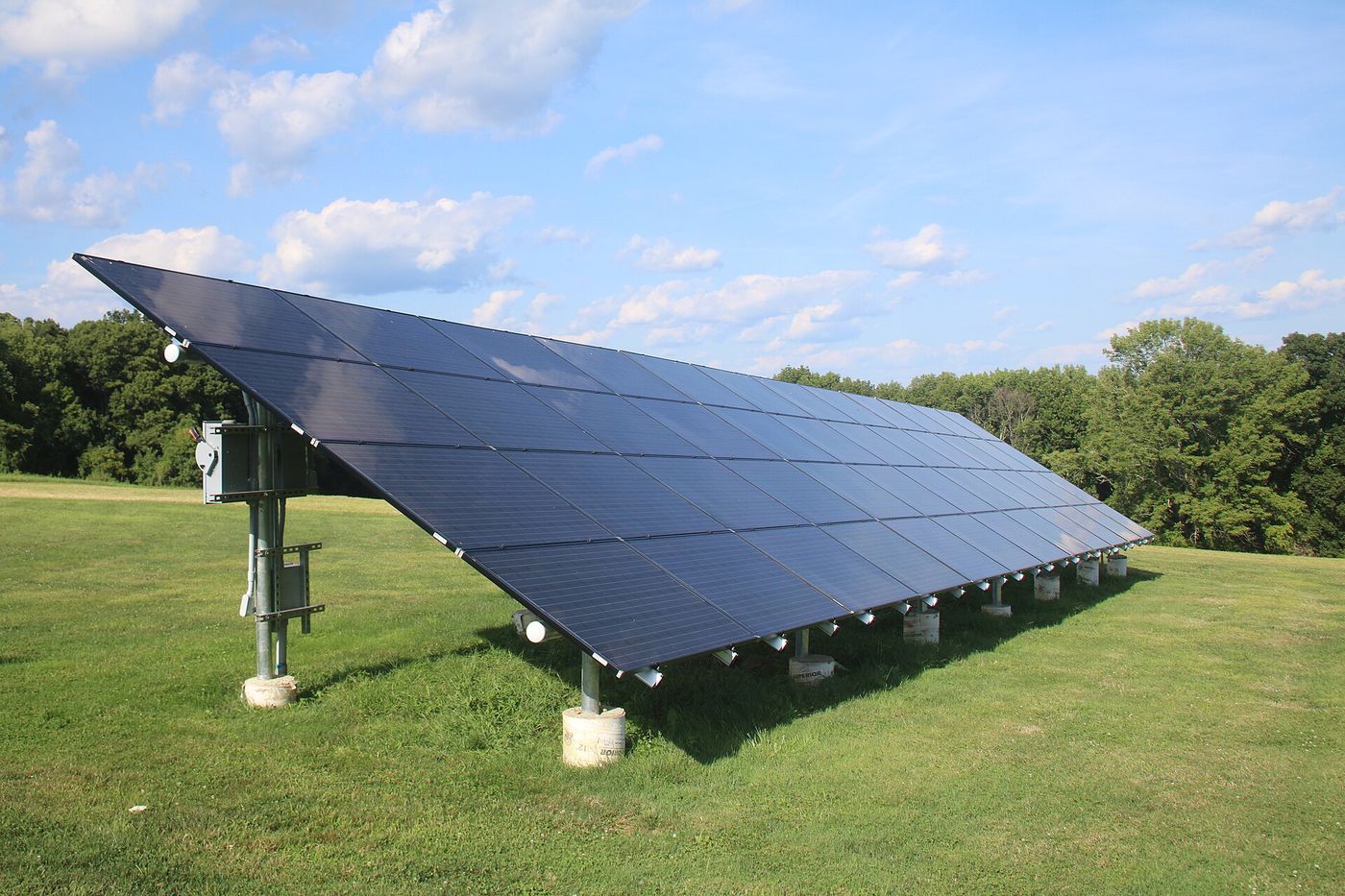
Eskom attributes the change to improved maintenance of its coal fleet, whose availability has risen from 54% to 68%, and to the return of three large units at the Kusile and Medupi plants that were out of service for years. But the larger shift has happened on the customer side. Private solar capacity, mostly on the roofs of homes, shopping centres and mines, has grown from about 1GW in 2022 to 7.5GW this year, according to the Council for Scientific and Industrial Research, and demand on the grid at midday is now lower than it was in 2010.
“Load-shedding did what no policy could. It made every household that could afford it into a power station,” said Dr Lindiwe Dlamini, who researches energy at the University of the Witwatersrand. “The grid is stable partly because Eskom fixed its plants and partly because its most profitable customers have left it in the middle of the day. That is good for the lights and very bad for Eskom's balance sheet.”
The utility, which has about 400bn rand (£17bn) of debt, has warned that it is losing paying customers at the same time as it is required to supply poorer ones at below cost. It has applied for tariff rises of 12% a year for the next three years. The regulator has approved 9%.
In Soweto, Thabo Mokoena, who runs a butcher's shop and a chicken outlet, bought a 5kW solar system and batteries in 2023 for 110,000 rand. “I lost three freezers of stock in one year. The solar paid for itself in 14 months and now I sell electricity to the hair salon next door,” he said. “People say load-shedding is over. For me it was over when I stopped waiting for Eskom.”
The improvement has not reached everyone. Municipalities that owe Eskom money, including several in the Free State and Mpumalanga, still experience cuts that the utility calls load reduction rather than load-shedding, and the national transmission grid remains too weak to connect several gigawatts of wind and solar projects in the Northern and Eastern Cape.
Eskom's chief executive has said that the next test will come in 2027, when the first of its coal plants is due to close under the country's emissions commitments. The utility has asked for that closure to be delayed.
Sign up to First Edition
Our morning email breaks down the key stories of the day, telling you what's happening and why it matters.
Privacy notice: newsletters may contain info about charities, online ads and content funded by outside parties.

