
Retail sales rise 1.2% in September as early Christmas promotions pull spending forward
Clothing and homewares drove the strongest September for shops in four years, but retailers warn the discounts that lured customers in will squeeze margins through the golden quarter
Retail sales volumes rose 1.2% in September, the strongest month for the sector since 2022, as shops brought forward Christmas promotions by as much as six weeks to tempt cautious households into spending.
The Office for National Statistics said clothing sales rose 3.4% on the month and household goods 2.8%, with department stores and furniture retailers recording their best figures in more than two years. Food sales were flat. Over the three months to September, volumes were up 0.9% on the previous quarter.
Analysts cautioned that the figures flattered the underlying picture. “A lot of what you are seeing is October and November trade happening in September,” said Dr Eleanor Whitcombe, retail economist at the consultancy Marchmont Insight. “Retailers took the view that if people were only going to spend once, they wanted to be the ones they spent with. The question is what is left in the tank.”
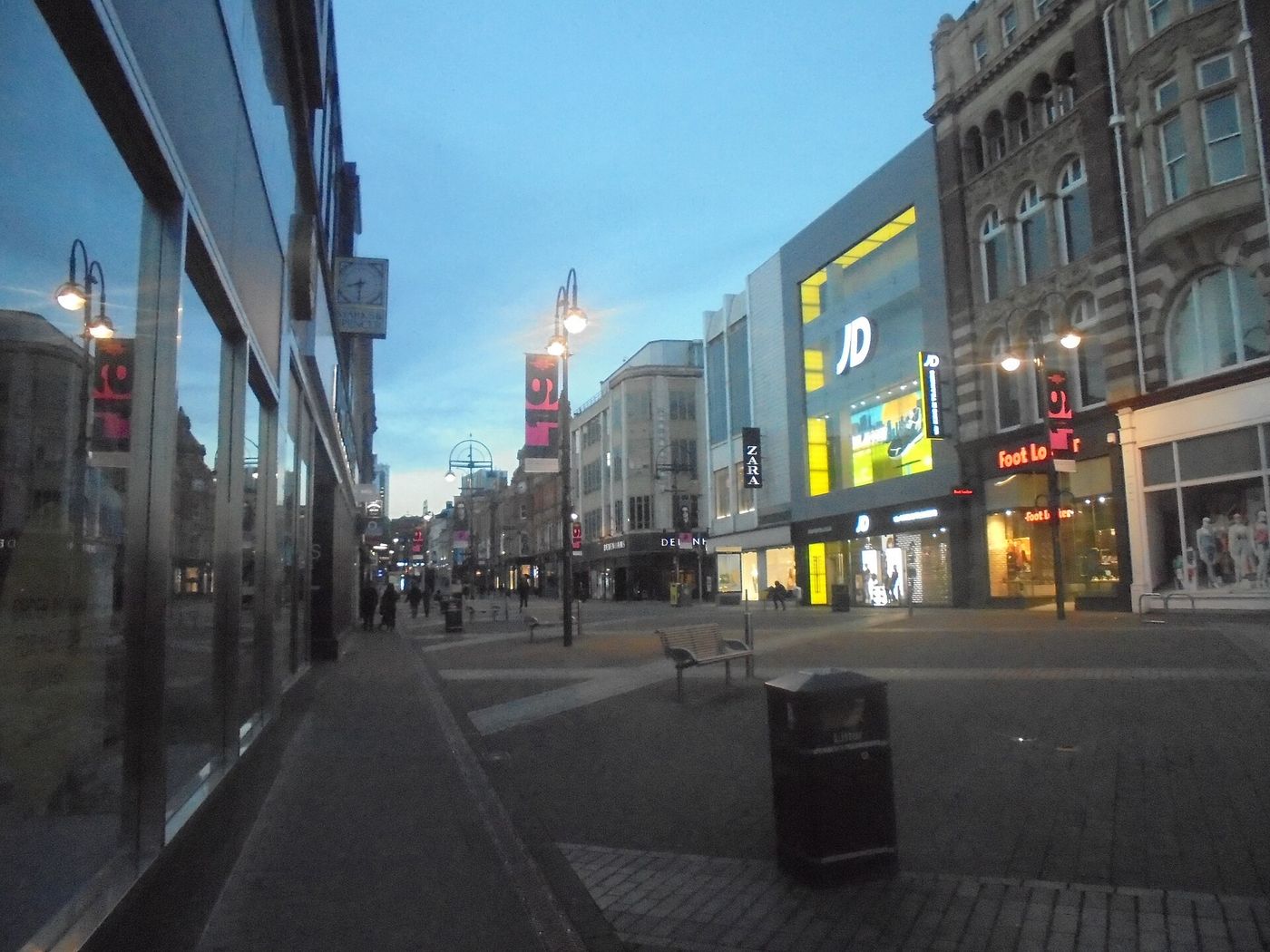
The early discounting was visible on the high street. At the Trinity shopping centre in Leeds, several fashion chains launched “pre-Black Friday” events in the second week of September, and a number of homeware stores had Christmas ranges on the shop floor before the end of August. Footfall across UK high streets rose 2.1% on the year in September, according to the data firm Springboard, the third consecutive monthly increase.
Gemma Oduya, who manages a mid-sized fashion store on Briggate, said the shift was deliberate. “Head office told us in July that we would be in promotion by mid-September, and we were,” she said. “People are coming in, and they are buying, but they are buying what is on offer and nothing else. The full-price rail has not moved.”
The British Retail Consortium said the figures were welcome but warned that margins would be “thinner than they have been in a decade” through the final quarter. Retailers are absorbing higher employer national insurance contributions, a rise in the national living wage in April and business rates bills that increased in most of England this year. The trade body estimates the sector’s costs have risen by £7bn since 2024.
There was better news on the online side, where sales rose 2.6% in September and accounted for 27.4% of all spending, the highest share since lockdown. Analysts attributed the increase to the spread of “buy now, collect in an hour” services and to returns charges, which have encouraged customers to order fewer sizes and keep what they buy.
Separate figures from the card payments firm Barclaycard suggested the momentum continued into early October, with spending on non-essential goods up 1.8% in the first week of the month. “The customer is there,” said Dr Whitcombe. “What we do not yet know is whether the retailer has priced them in at a level that leaves any profit.”
Sign up to First Edition
Our morning email breaks down the key stories of the day, telling you what's happening and why it matters.
Privacy notice: newsletters may contain info about charities, online ads and content funded by outside parties.

