
Water companies’ debt tops £70bn as new regulator warns three firms are ‘not financially resilient’
The Water Services Authority, which replaces Ofwat in April, says Severn Reach, Eastern Counties and Pennine Water must raise equity or face restrictions on dividends and executive pay
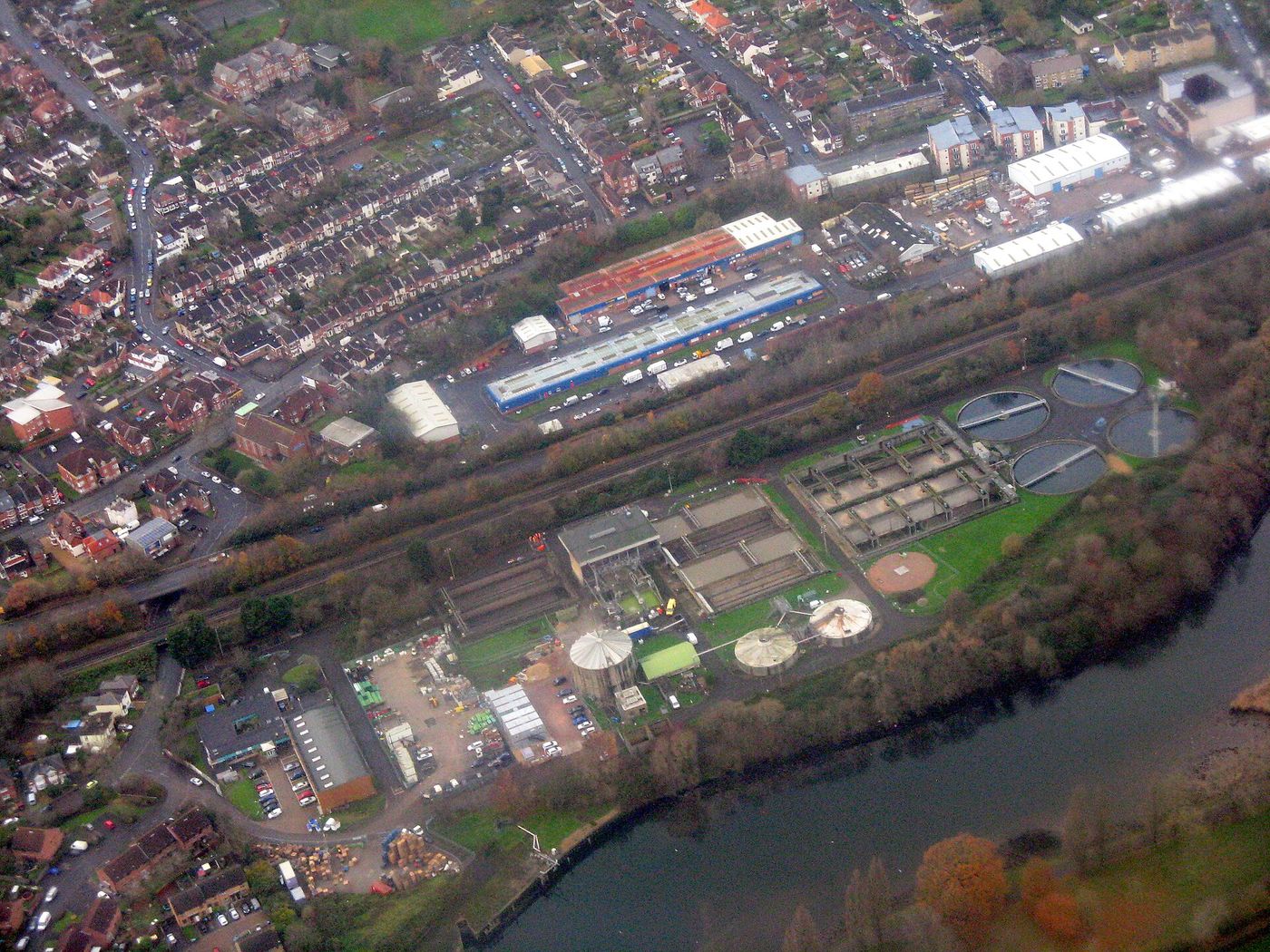
The combined debt of England’s water companies has passed £70bn for the first time, and three of them are not financially resilient enough to deliver the investment they have promised, the incoming regulator warned on Monday in its first public assessment of the industry.
The Water Services Authority, which will take over from Ofwat, the Drinking Water Inspectorate and parts of the Environment Agency in April, said Severn Reach Water, Eastern Counties Water and Pennine Water had debt equivalent to more than 75% of the value of their regulated assets, against a level of 60% that it considers prudent. All three have been told to present plans to raise new equity by the end of January or face limits on dividends and bonuses.
The authority said the sector as a whole had borrowed £70.4bn, up from £64bn a year ago, and was paying £3.1bn a year in interest, a sum equal to about £110 per household bill. Companies have agreed to spend £104bn over the five years to 2030 on new pipes, treatment works and leakage reduction, and most of that will be financed by further borrowing.
“The investment programme is the largest since privatisation, and it has to be paid for by someone,” said a senior official at the authority. “Our job is to make sure that it is paid for by investors who put money in, not just by lenders who expect to be paid back by customers. Three companies have been running their balance sheets at the limit for too long.”
Severn Reach, which serves 2.6m households across the west Midlands and Welsh Marches, said it had already agreed in principle a £900m equity injection from its two largest shareholders, a Canadian pension fund and a Gulf sovereign wealth fund, and expected to complete it by March. Eastern Counties said it was “in constructive discussions”. Pennine Water, the smallest of the three, declined to comment.
The warning is the clearest signal yet of how the new regulator intends to operate. Its chief executive, Dr Alison Ferriday, who was previously a director of the Prudential Regulation Authority, has said she wants water companies to be regulated “like the utilities they are, not the private equity vehicles some of them became”. The authority will have the power to block dividends, veto senior appointments and, in extremis, place a company into a special administration regime.
Investors said the tougher stance risked making the sector uninvestable. Mark Pennington, head of infrastructure at the fund manager Caxton & Lowe, said: “You cannot ask for £100bn of investment and simultaneously tell the people who provide it that their returns are capped and their dividends are at the regulator’s discretion. Something has to give.”
Consumer groups disagreed. “The sector has paid out £85bn in dividends since privatisation while borrowing almost the same amount,” said Dr Rosalind Achebe of Fair Fuel Future, which campaigns on utility bills. “The money was there. It went to the wrong people.” Average water bills in England rose by £123 to £603 a year in April and are due to rise again next spring.
Sign up to First Edition
Our morning email breaks down the key stories of the day, telling you what's happening and why it matters.
Privacy notice: newsletters may contain info about charities, online ads and content funded by outside parties.

