
Paris opens first stretch of orbital metro as suburbs get a line that skips the centre
Line 15 South carried 410,000 passengers in its first weekend, linking 16 suburban stations without touching the city proper
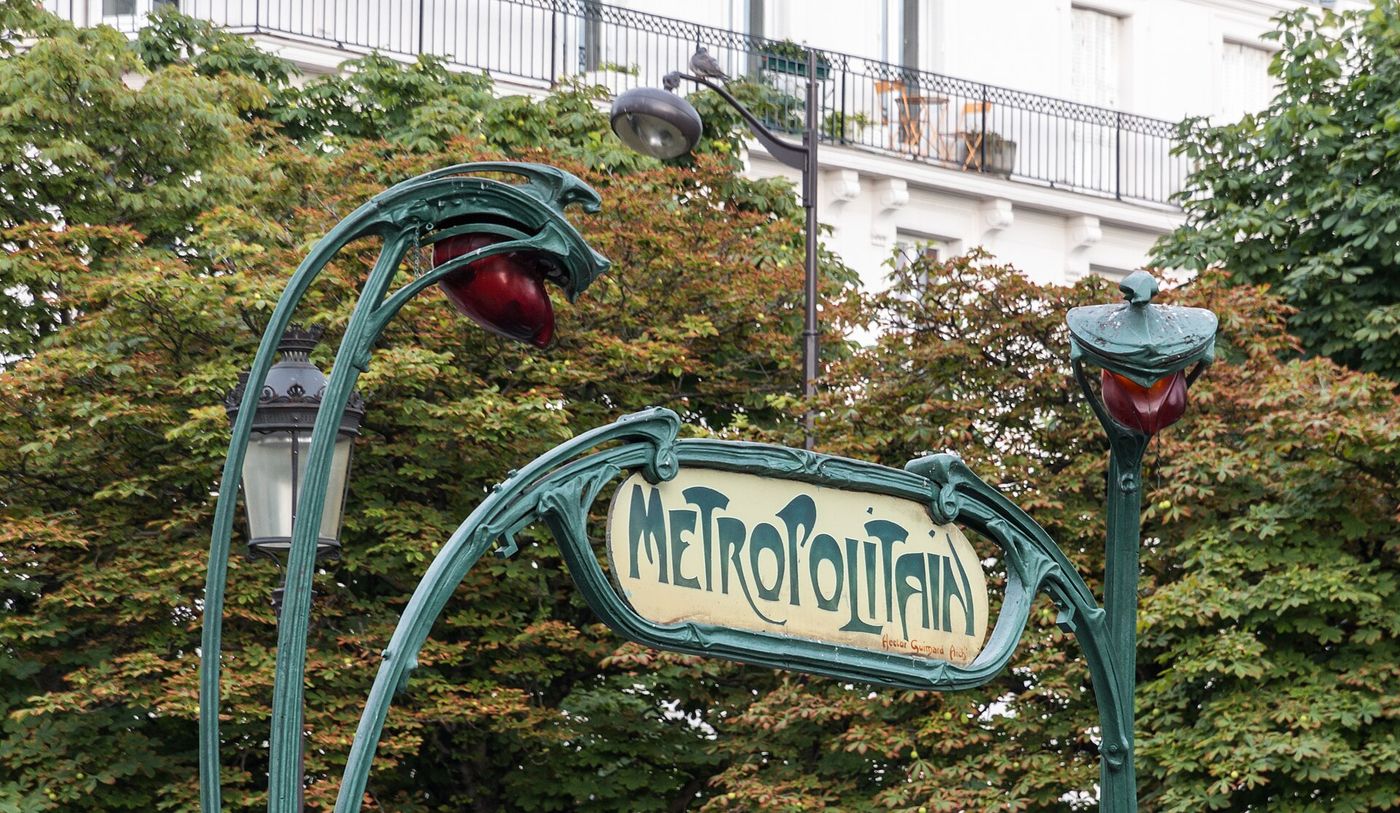
For the first time since the Paris metro opened in 1900, a new line has been built that does not go to Paris. Line 15 South, the first 33km of the Grand Paris Express, opened to passengers on Saturday morning, and by Sunday night 410,000 people had ridden it between Pont de Sèvres in the west and Noisy-Champs in the east, a journey that previously meant travelling into the centre and back out again.
The line has 16 stations, all of them in the inner suburbs of the Hauts-de-Seine, Val-de-Marne and Seine-Saint-Denis départements, and cuts the trip from Villejuif to Champigny from 71 minutes to 24. Driverless trains run every three minutes at peak times. The Société des grands projets, the public body building the network, said the opening came 18 months later than planned but within the revised budget of €5.4bn for this section.
“I have spent 11 years changing at Châtelet to get to a hospital that is 9km from my flat,” said Nadia Benali, 34, a nurse from Champigny-sur-Marne who was among the first on board at 5.30am. “Today I sat down once. I nearly cried.”
Line 15 is the backbone of a 200km programme of four new lines and 68 stations that is expected to cost €42bn by the time the last section opens in the mid-2030s. Its promise is to redraw the economic map of a region in which 80% of jobs were, until this weekend, reachable by rail only via the centre. Property prices around the new stations have already risen by an average of 18% since 2022, according to the Paris notaries' chamber, against 4% for the region as a whole.
Olivier Taché, a transport economist at Sciences Po who has studied the project since its inception, said the test would come in the next two years. “The engineering is finished. The question now is whether a line that serves hospitals, universities and business parks in the suburbs changes where companies choose to locate, or whether it simply makes the commute into Paris slightly shorter for people who already make it,” he said. “The early numbers are extraordinary, but the first weekend of anything is extraordinary.”
Île-de-France Mobilités, the regional transport authority, forecasts 300,000 journeys a day once the novelty wears off, rising to a million when the full loop closes in 2031. The authority confirmed that the standard fare of €2.50 applies and that the line is covered by the existing Navigo pass.
Not everyone was celebrating. Traders at the Marché de Cachan said roadworks around the new station had cost them customers for six years. “They tell us it will all be worth it,” said Hervé Lemaire, who sells cheese there. “I will believe it when the people on those trains come up the stairs and buy something.”
The next section, Line 16 to the northern suburbs and the Charles de Gaulle airport corridor, is scheduled to open in 2028.
Sign up to First Edition
Our morning email breaks down the key stories of the day, telling you what's happening and why it matters.
Privacy notice: newsletters may contain info about charities, online ads and content funded by outside parties.

