
Poland closes two Silesian pits as coal's share of its electricity falls below half for first time
The Gwarek and Stella mines employed 4,800 people; a further nine are due to shut by 2035 under a plan that unions say is running three years early
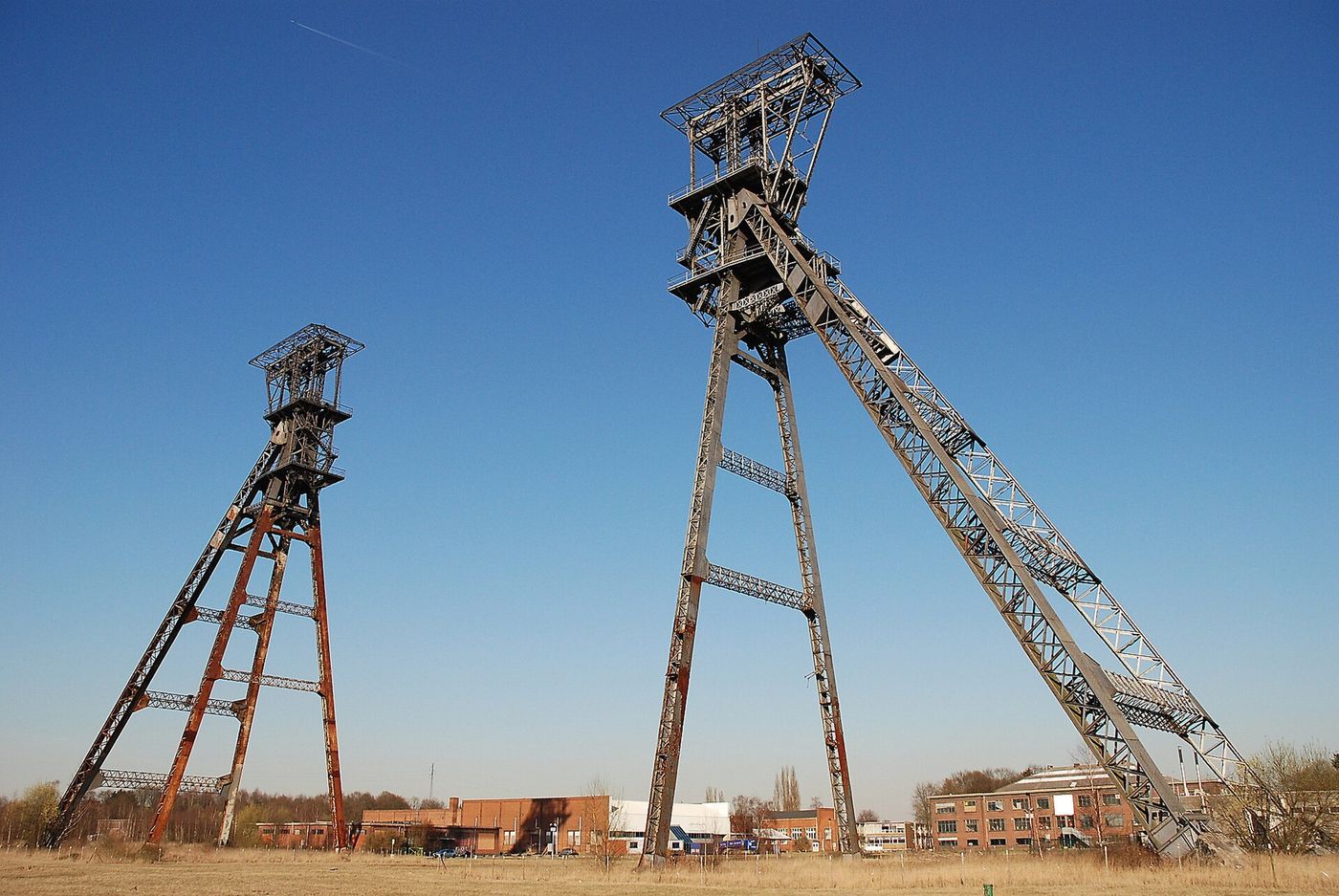
The last shift came up from the Gwarek mine in Ruda Śląska at 6am on Saturday, 211 years after the first shaft was sunk on the site. By the end of the month its sister pit, Stella in Bytom, will also close, ending the jobs of 4,800 miners and completing the first stage of a programme to shut all of Poland's 20 hard-coal mines by 2049.
The closures coincide with figures from the national grid operator showing that coal generated 46% of Poland's electricity in the first nine months of 2026, the first time it has fallen below half over a sustained period. A decade ago it was 81%. Solar and wind supplied 31%, gas 14% and imports most of the rest.
The state-owned mining group PGG said both pits had been losing money for six years and that Gwarek alone had cost the treasury 410m złoty (£80m) in subsidies in 2025. Under an agreement with the unions, miners aged over 50 receive four years of paid leave before retirement; younger workers get a lump sum of 120,000 złoty or a guaranteed transfer to another pit.
“I am 51. I will sit at home on 80% of my wages and then I will have my pension. The lads who are 35 are the ones who are finished,” said Krzysztof Nowakowski, who worked underground at Gwarek for 29 years. “They say there are jobs in the battery factories. There are. They pay half.”
The unions dispute the pace rather than the direction. The 2021 agreement with the government envisaged closures spread evenly to 2049, but falling demand from power stations, which are switching to gas and importing cheaper coal from Colombia and Australia, has brought the timetable forward. The Solidarity mining section said on Monday that nine further pits were likely to close by 2035, “three years ahead of what was signed”, and demanded that the leave scheme be extended to workers over 45.
Agnieszka Mazur, an analyst at the Warsaw think tank Instrat, said the industry was being closed by arithmetic rather than policy. “Polish coal costs around €130 a tonne to dig. Imported coal lands at Gdańsk for €95. No government can make a power station buy the expensive one for ever,” she said. “The question is whether Silesia gets the investment that Germany's Ruhr got, or whether it gets a hole in the ground and a museum.”
Silesia's unemployment rate is 3.8%, below the national average, and the region has attracted €6bn in foreign investment since 2022, including three battery plants and a car factory. But the jobs are concentrated around Katowice and Gliwice; Bytom, where Stella is closing, has the highest rate of long-term unemployment in the country.
The European Union's Just Transition Fund has allocated €2.4bn to Silesia. The region's authorities said on Monday that 38% of it had so far been spent.
Sign up to First Edition
Our morning email breaks down the key stories of the day, telling you what's happening and why it matters.
Privacy notice: newsletters may contain info about charities, online ads and content funded by outside parties.

