
Armagh’s Bramley growers pick biggest crop in a decade
Warm spring and wet August produce an estimated 48,000 tonnes in the Orchard County, but prices have fallen and the pickers are hard to find
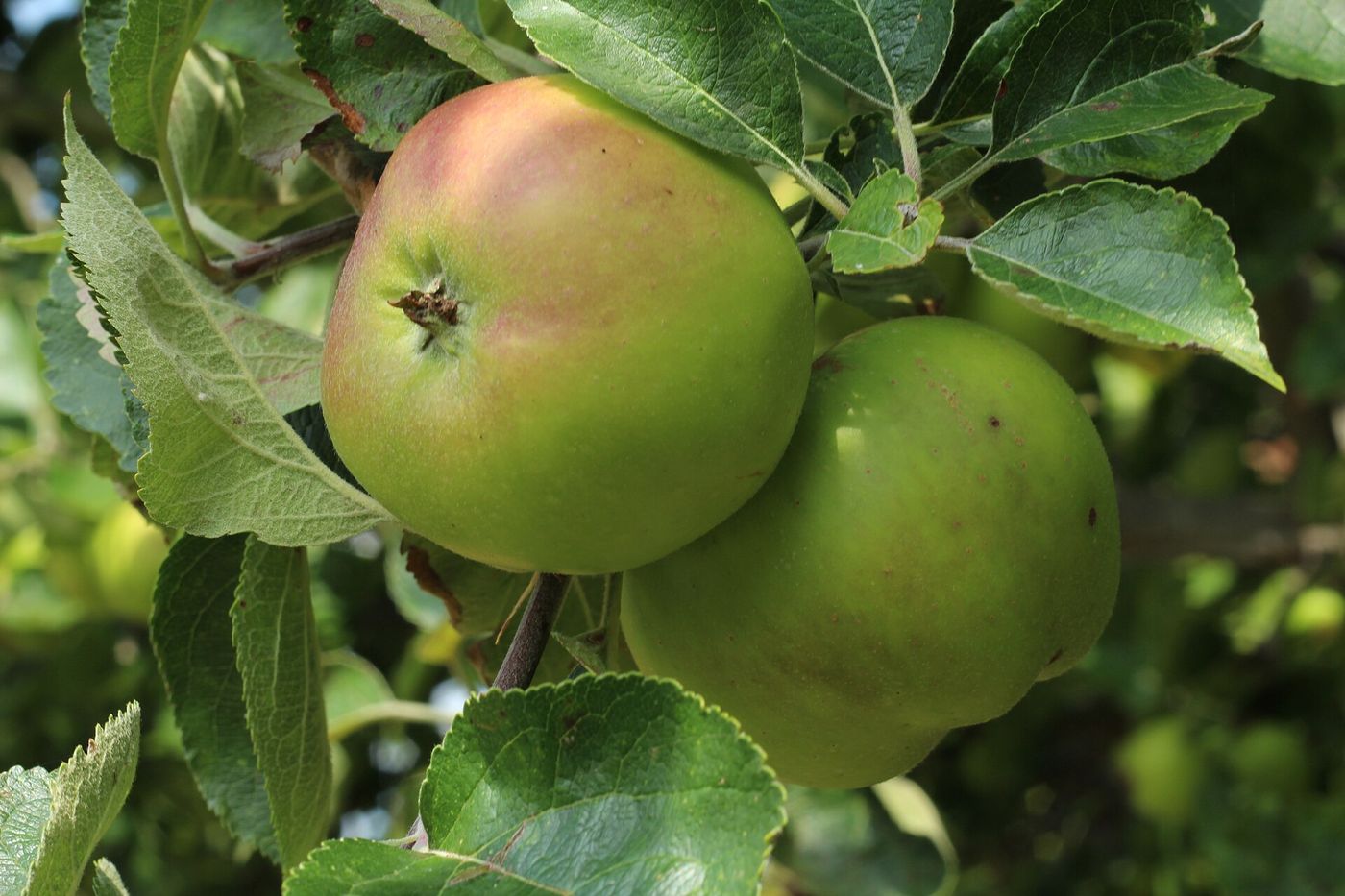
Apple growers in County Armagh are gathering their heaviest Bramley harvest since 2016, with an estimated 48,000 tonnes expected from the county’s orchards after a frost-free spring and a wet August that swelled the fruit.
The Armagh Bramley, which has carried EU and UK protected geographical status since 2012, accounts for about 95% of Northern Ireland’s apple crop and is grown on 1,500 hectares of orchard around Loughgall, Richhill and Portadown by some 120 commercial growers. The Northern Ireland Fruit Growers’ Association said this year’s crop was about 30% above the five-year average and that the apples were “as big as we have seen them”.
The abundance has a cost. Wholesale prices for Bramleys into the processing market, which takes about 80% of the crop for pie fillings, sauces and ciders, have fallen from £310 a tonne last year to around £240, and the largest processor in the county has told growers it cannot take more than its contracted volume before December. Some orchards are leaving fruit on the trees.
“We have the best crop in ten years and we will make less money from it than from last year’s poor one,” said Norman Gillespie, who farms 34 hectares of orchard at Loughgall and chairs the growers’ association. “That is the economics of a crop that goes to three buyers. If we could get it into supermarkets in England as a named product, the way Kent cherries or Jersey Royals are, we would not be in this position.”
Labour is the other difficulty. Picking is done by hand from late September to early November and the county needs about 900 seasonal pickers; growers say they have found 650. Most are from Romania and Bulgaria on seasonal worker visas, and the scheme’s quota for horticulture was reduced this year. Gillespie’s farm has hired 20 pickers from a local secondary school on Saturdays, at £12.60 an hour.
Armagh City, Banbridge and Craigavon borough council has used the harvest to launch a bid for a bigger slice of the tourist market. The county’s apple blossom festival in May drew 22,000 visitors; a harvest fortnight this month includes orchard tours, a cider trail and a Bramley pie competition judged in Armagh’s market house. Councillor Fiona McAlinden, who chairs the council’s economic development committee, said: “Normandy has made an industry of its orchards. We have the oldest apple-growing tradition in Ireland, with records to 1000AD, and until recently we barely mentioned it.”
Climate records at the Armagh Observatory, which has kept daily readings since 1795, show the county’s growing season has lengthened by 16 days since the 1980s. Growers say the gains in yield are real but that the warmer autumns have brought a new problem: apples that ripen and drop before the pickers reach them.
The harvest is expected to be complete by the second week of November. The surplus, growers say, will end up as juice.
Sign up to First Edition
Our morning email breaks down the key stories of the day, telling you what's happening and why it matters.
Privacy notice: newsletters may contain info about charities, online ads and content funded by outside parties.

