
Police white paper proposes merging 43 forces in England and Wales into 12
Home Office says regional forces of up to 20,000 officers would save £600m a year and end a structure ‘designed for the 1960s’, but chief constables warn of a decade of disruption
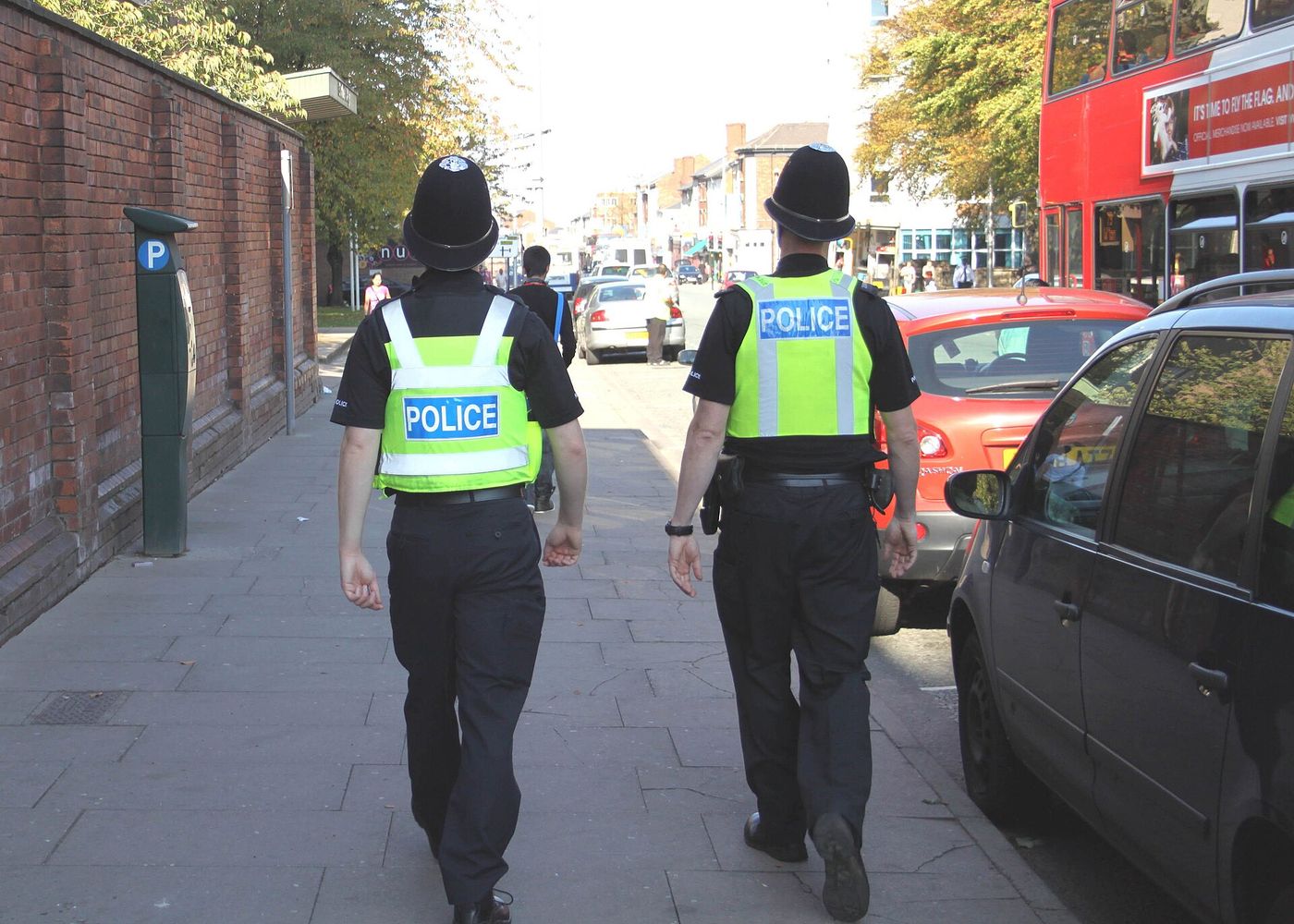
The 43 police forces of England and Wales would be merged into 12 regional forces under proposals set out in a Home Office white paper on Wednesday, the most radical restructuring of policing since 1974 and one that ministers say would save £600m a year and end a system in which the smallest force has 1,100 officers and the largest has 34,000.
Under the plan, the Metropolitan Police would remain a single force for London and the other 42 would be grouped into 11 regions broadly matching the areas of the combined mayoral authorities, with Wales becoming a single force of 7,400 officers. Police and crime commissioners would be abolished, with oversight passing to mayors or, in Wales, to the Senedd. The changes would require legislation in 2027 and take effect from 2029.
The white paper argues that forces are too small to run specialist functions such as fraud, child abuse investigation and digital forensics, which are currently duplicated 43 times, and that the number of chief officers, headquarters and IT systems is “a luxury the public is paying for without knowing it”. It cites the merger of eight Scottish forces into Police Scotland in 2013, which it says saved £200m a year after “a difficult first three years”.
“This is a structure designed for a country where the worst crime most forces dealt with was a burglary and the criminals stayed in the county,” the home secretary said in the Commons. “It is not fit for a world of online fraud, county lines and organised immigration crime. Twelve strong forces can do what 43 small ones cannot.”
Chief constables were guarded. The body representing them said it accepted the case for larger forces in principle but that the Scottish experience showed “a decade of disruption, a collapse in local accountability and a call-handling system that took five years to fix”. One Midlands police and crime commissioner, who would lose his post under the plan, said it was “abolishing the one bit of policing the public can vote on and replacing it with a mayor who has 14 other jobs”.
The Police Federation, which represents rank-and-file officers, said its members’ concern was not the structure but the numbers. “You can draw the map however you like,” a spokesperson said. “If there are still 8,000 fewer officers than in 2010 relative to population, the response time in Cleethorpes will be the same whether the badge says Humberside or Yorkshire and the Humber.”
Dr Louise Brannigan, a criminologist at Sheffield Hallam University who has studied the Scottish merger, said the savings were real but “arrived late and cost more to realise than anyone budgeted”. “The question the white paper does not answer is who the chief constable of a 20,000-officer force in the north-west answers to on a Tuesday night when something goes wrong in Barrow,” she said.
A consultation runs until January. The Home Office said no force would be merged without “the support of the communities it serves”, though it did not say how that support would be measured.
Sign up to First Edition
Our morning email breaks down the key stories of the day, telling you what's happening and why it matters.
Privacy notice: newsletters may contain info about charities, online ads and content funded by outside parties.

