
Environment Agency pumps 400,000 cubic metres of sand on to Lincolnshire beaches
The annual nourishment between Mablethorpe and Skegness is all that stands between 20,000 homes and the North Sea, engineers say, and this year’s is the largest since 1994
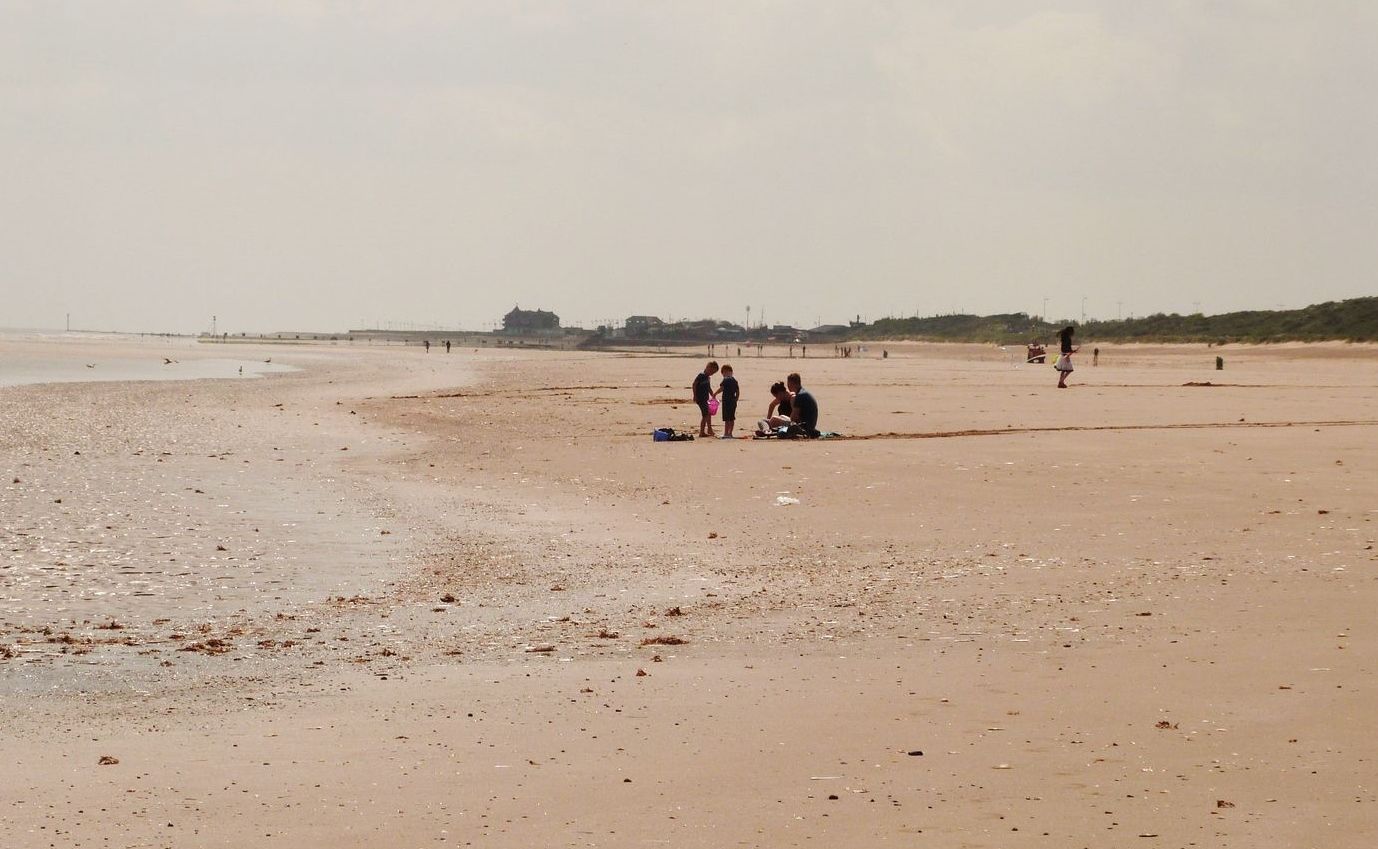
A dredger the length of a football pitch has spent the past three weeks pumping sand on to 12 miles of Lincolnshire coast, in the largest beach-building operation the Environment Agency has carried out since the scheme began in 1994.
The 400,000 cubic metres of sand, dredged from a licensed bank 10 miles off the coast and sprayed ashore through a floating pipeline in a plume visible from the Mablethorpe promenade, will rebuild beaches between Saltfleet and Gibraltar Point that were cut by up to two metres by winter storms. The agency says the beach, not the concrete sea wall behind it, is the real defence: without it, waves would hit the wall at full force and overtop it in a storm of the kind that killed 41 people on this coast in 1953.
“People look at the sea wall and think that is what keeps them dry. It is not. The beach is the defence. The wall is the last line,” said Mark Robinson, the agency’s coastal manager for Lincolnshire. “Every winter the sea takes the beach and every autumn we put it back. The day we stop, we have about three bad winters before the wall fails.”
The scheme, known as Lincshore, protects 20,000 homes, 35,000 static caravans and 24,000 hectares of farmland that lie below the level of a spring high tide, including the whole of Mablethorpe, Sutton-on-Sea and Chapel St Leonards and most of Skegness. The agency estimates the assets at £2.5bn. This year’s operation cost £9.4m, around £1,100 a year for every home protected.
The volume of sand has doubled since the early years of the scheme as sea level has risen and storms have become more frequent. The agency’s latest strategy, published in the spring, assumes the beach will need to be rebuilt every year until at least 2050 and warns that after that the cost may exceed the benefit on some stretches. It has begun a study of whether parts of the coast could be allowed to retreat to a new line of defence inland, a prospect that the coastal parishes have fought since it was first raised in 2009.
“We are not going anywhere,” said Councillor Terry Allison, who represents Mablethorpe on East Lindsey district council and has lived there for 70 years. “My grandparents were flooded in 1953 and the government rebuilt this town. It can keep rebuilding the beach. It costs less than one new motorway junction.”
The operation is timed for the autumn so that the beach is at its fullest when the winter storms arrive. The dredger, a Dutch vessel chartered each year, has worked around the clock and moved 11,000 tonnes a trip. It is due to finish at Skegness on Friday, where the sand will restore a beach that had narrowed enough by August for the town’s donkeys to be moved.
Children at Mablethorpe primary school, who have watched the plume from their playground, were taken to the beach on Thursday to see the pipe. The school’s head said they had asked whether the sand would still be there in the summer. The engineers said that it would, and that they would be back next year.
Sign up to First Edition
Our morning email breaks down the key stories of the day, telling you what's happening and why it matters.
Privacy notice: newsletters may contain info about charities, online ads and content funded by outside parties.

