
Cabinet signs off three-year budgets for departments in bid to end ‘annual scramble’
Ministers agree timetable that will fix spending for the NHS, schools and councils until 2030, with the chancellor warning there will be ‘no top-ups’
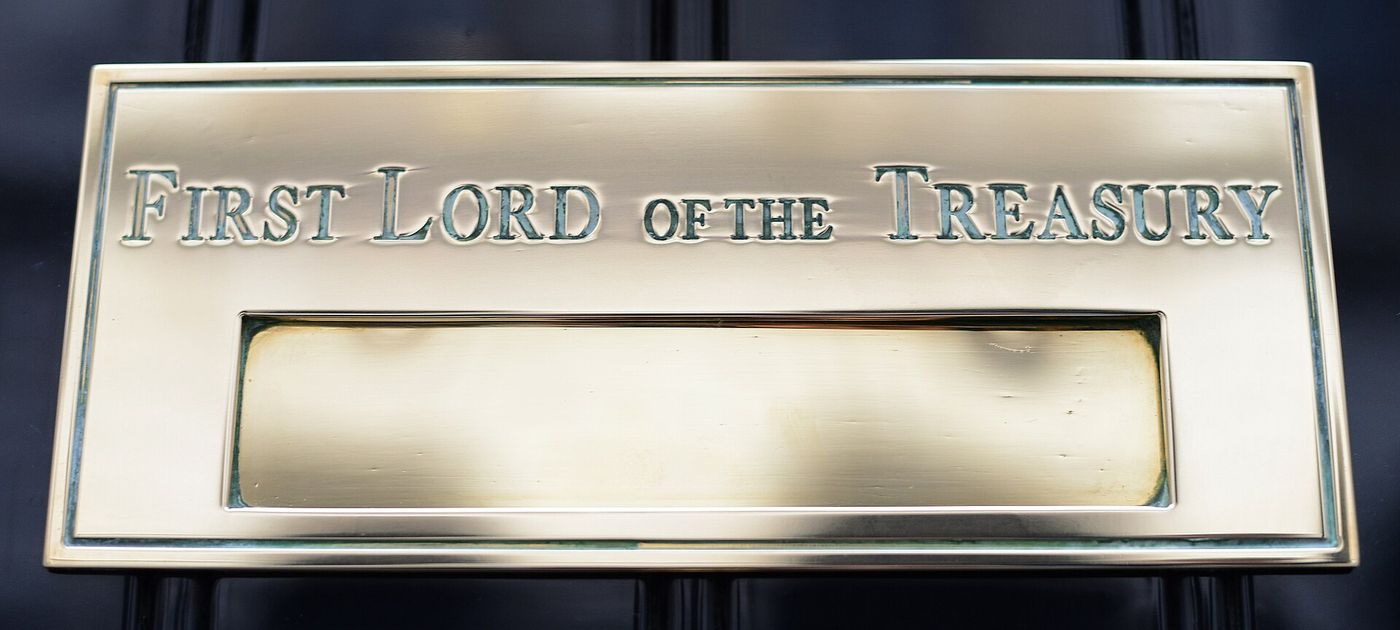
Every Whitehall department will be handed a fixed three-year budget next spring under a plan signed off by cabinet on Tuesday, in what the Treasury is describing as the end of the “annual scramble” that has seen ministers lobby for emergency cash in nine of the past 12 autumns.
The settlement, to be published alongside the spring statement in March, will set day-to-day spending for 2027-28 through to 2029-30 and capital budgets for five years. Departments will be allowed to carry up to 2% of an underspend into the following year, a flexibility civil servants have asked for since 2010, but will not be permitted to return for more money unless the Office for Budget Responsibility declares an economic emergency.
“The chancellor was very direct,” said one person present. “Three years, no top-ups, and if you cannot live within it you tell us now, not in November when the overdraft is already spent.” Two secretaries of state are understood to have raised concerns that the health and defence budgets would be protected at the expense of everyone else; the chancellor is said to have replied that “everyone is protected until the money runs out”.
The move follows a report from the Centre for Public Finance, a non-partisan think tank, which found that departments received £14.6bn in unplanned in-year additions between 2022 and 2025, with the Department of Health and Social Care, the Home Office and the Ministry of Justice the most frequent recipients. “Single-year settlements are a machine for making bad decisions,” said Sunita Varma, the centre’s director. “You cannot sign a 10-year contract for a hospital or a prison when you do not know what you have got in April.”
Councils, which have had one-year settlements for seven consecutive years, will receive their first multi-year grant since 2019. The Local Government Association said the change was “the single most useful thing the Treasury has done for town halls in a decade”, but warned that certainty about a budget that was too small was “still a budget that is too small”.
Officials said the settlement would be built on growth forecasts from the OBR’s March outlook, which is expected to show the economy expanding by between 1.1% and 1.4% a year. A separate review of how capital is allocated, led by a former Treasury permanent secretary, will report in January.
Opposition parties said the announcement was an attempt to lock in cuts before the next election. A Treasury spokesperson said: “Multi-year budgets give the public services the stability they have been asking for. That is not a cut; it is a plan.”
Whether the plan survives contact with a bad winter in the NHS is another matter. As one former cabinet minister put it on Tuesday evening: “Every chancellor says no top-ups. Then it snows.”
Sign up to First Edition
Our morning email breaks down the key stories of the day, telling you what's happening and why it matters.
Privacy notice: newsletters may contain info about charities, online ads and content funded by outside parties.

