
Pavement parking ban for England clears Commons hurdle after 50-year wait
Private member’s bill backed by ministers would hand councils the power to fine drivers £70, bringing England into line with Scotland
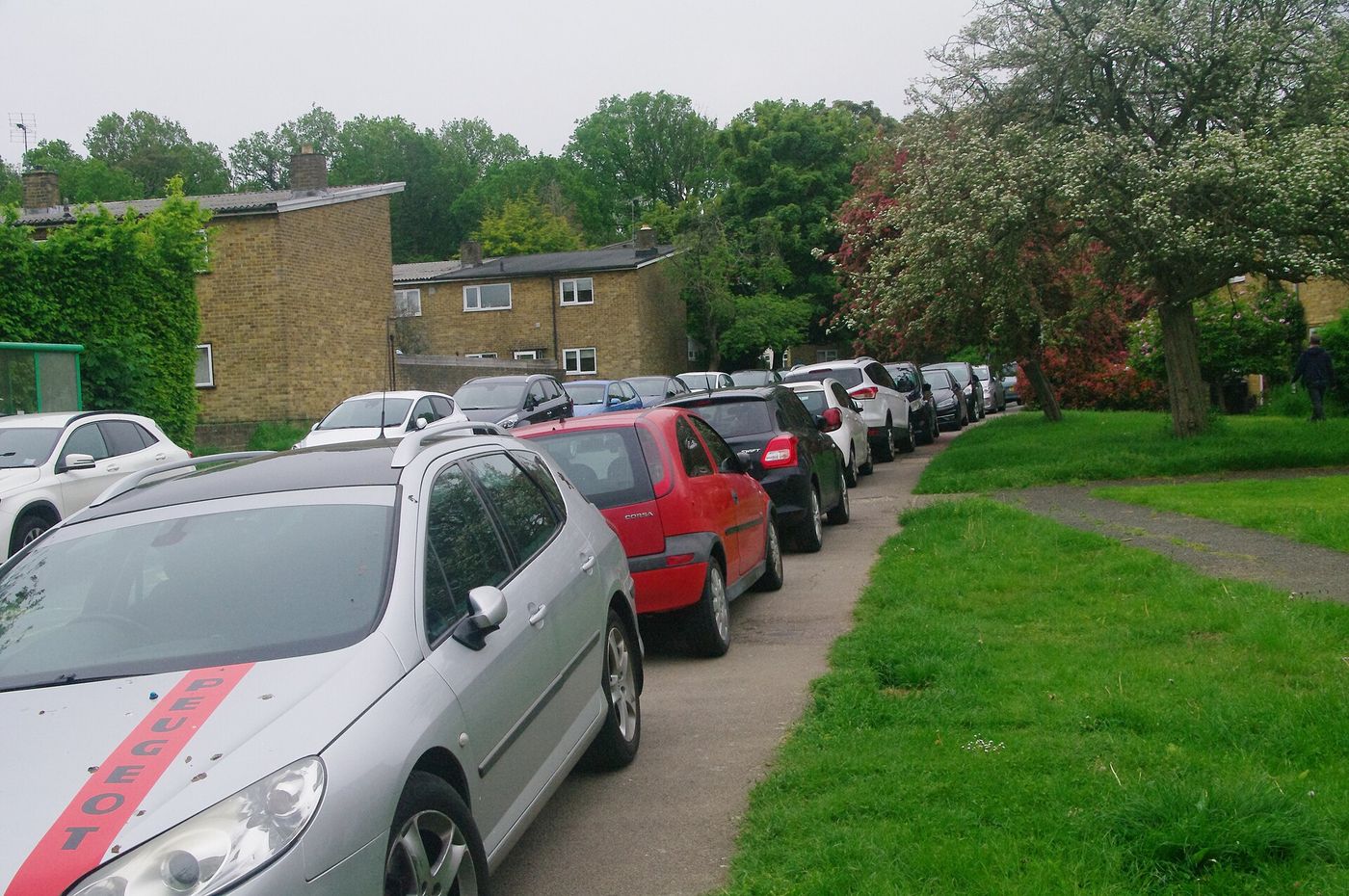
A nationwide ban on parking on pavements in England moved a significant step closer on Friday when a private member’s bill passed its second reading in the Commons by 289 votes to 41, with the government confirming it would provide time for the remaining stages before Christmas.
The Pavement Parking (England) Bill would give every council the power to issue £70 penalty notices to vehicles blocking footways, a power that only London boroughs have held since 1974. Scotland introduced a national ban in 2023, and Welsh councils gained similar powers in 2025. Ministers consulted on the idea for England in 2020 but had not responded until this summer.
Councils would be able to exempt individual streets where houses have no off-road parking and the road is too narrow for cars to pass if vehicles were fully on the carriageway. The bill’s sponsor estimated that about 9% of residential streets, concentrated in Victorian terraces in the north and Midlands, would need such exemptions.
Nadia Rahimi, 39, who is blind and lives in Leicester, told a rally outside parliament before the vote that she had been forced into the road “at least once a week for 15 years”. “I know every lamp-post on my route to the station. I do not know where the Range Rover is going to be,” she said. “A guide dog cannot read a parking sign. It just stops, and then I have to decide whether to step into traffic.”
Walk Britain, the charity that has led the campaign, said a survey of 4,000 wheelchair users and parents with pushchairs found that 62% had been forced to use the road in the previous month. “This is not a niche complaint,” said its chief executive, Carys Whitmore. “It is the most common reason people give for not walking to the shops.”
Motoring groups were cautious. The Motorists’ Forum said it supported the principle but warned that councils would use the new powers “as a revenue stream” unless the exemption process was simple. “In a street of two-up two-downs where everyone parks half on the kerb because there is no alternative, you cannot simply fine 60 households and call it a policy,” said its policy director, Paul Deakin.
The government has indicated it will table amendments requiring councils to consult residents on exemptions and to use the first year of any ban for warnings rather than fines. If the bill receives royal assent by spring, the first penalty notices outside London could be issued in 2028.
Sign up to First Edition
Our morning email breaks down the key stories of the day, telling you what's happening and why it matters.
Privacy notice: newsletters may contain info about charities, online ads and content funded by outside parties.

