
Amazon rivers fall to record lows for third year in four as drought strands 230 communities
The Rio Negro at Manaus has dropped to 12.4 metres, cutting off river transport across an area the size of France
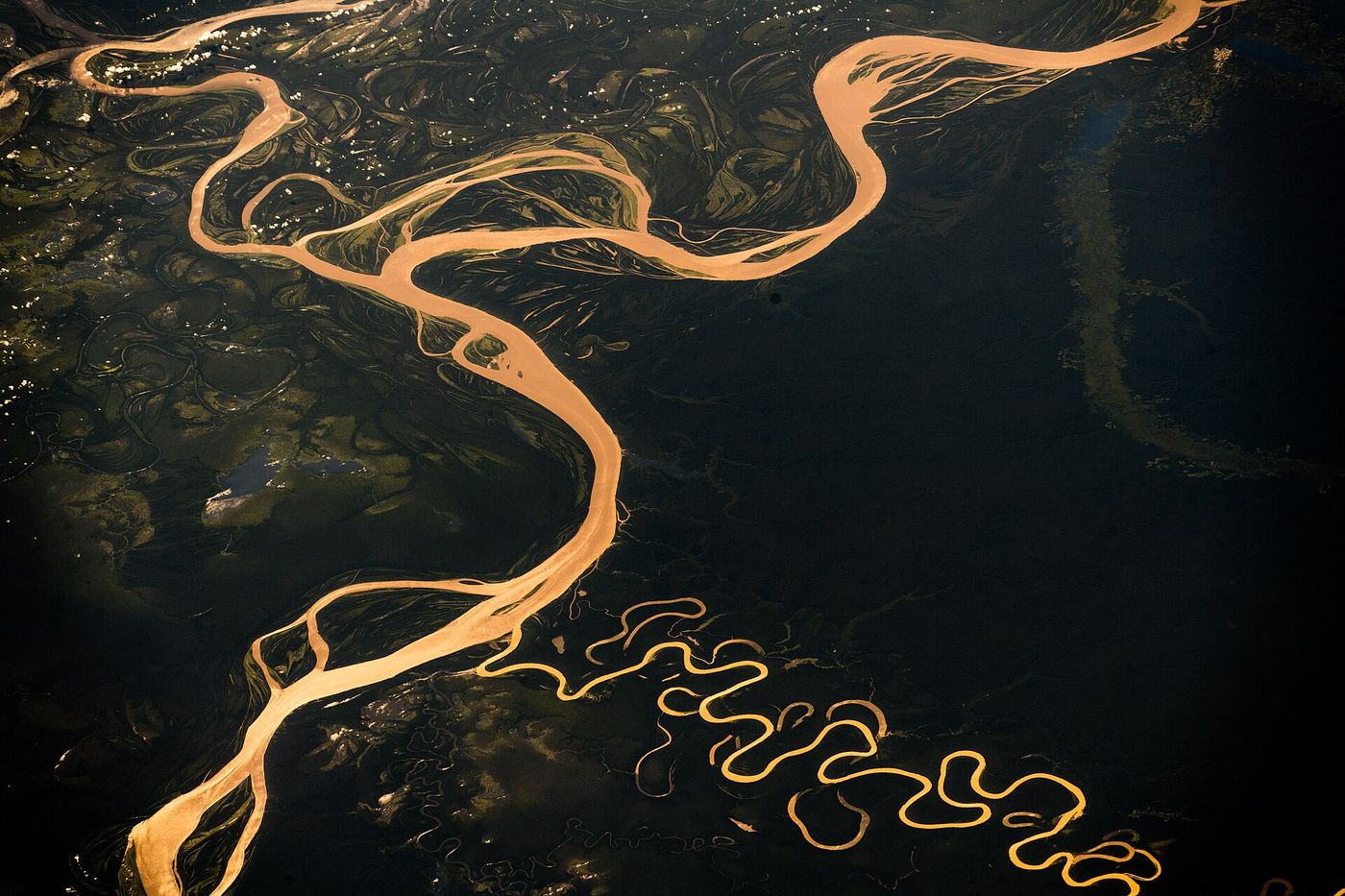
The Rio Negro, the vast black-water river that meets the Amazon at Manaus, fell to 12.4 metres on Monday, the lowest level recorded since measurements began at the city's port in 1902 and the third record low in four years.
The reading, taken at the same gauge where the river stood at 30 metres in the floods of 2021, confirms what the Brazilian geological service had warned of in August: that the dry season of 2026 would be worse than those of 2023 and 2024, which were themselves unprecedented. Across the state of Amazonas, which is three times the size of Spain and has almost no roads, 230 communities with about 460,000 people have been cut off from boat transport, their only link to food, fuel and medical care.
“Three years ago we said this was the drought of the century. Now it is the drought of the decade, and the decade is not over,” said Dr Luciana Vasconcelos, a climatologist at the National Institute of Amazonian Research in Manaus. “The rains that should have started in September have not come. The forest is drier, the rivers are lower and the fires are earlier. These are not three separate problems.”
The drought is driven by a combination of a warming Atlantic, which pushes the rain belt north, and the loss of about 20% of the original forest, which once recycled its own moisture. The state's civil defence agency has declared emergencies in 58 of its 62 municipalities and is delivering water and food by helicopter and by lorry along the few roads, at a cost it put at 14m reais (£2m) a week.
On the river itself, the economy has stopped. Raimundo Pereira, 58, has carried passengers and cargo between Manaus and the town of Barcelos, 400km upstream, for 34 years. His boat has been tied to a tree on a sandbank since 20 September. “The channel is one metre deep in places. A canoe can pass. My boat cannot,” he said. “I have 12 tonnes of rice and cooking oil for Barcelos sitting in a warehouse. The people there are eating what they can catch, and the fish are dying because the water is 39 degrees.”
The Manaus free trade zone, where some 500 factories assemble electronics and motorcycles, has warned that the Amazon's main channel may become impassable to the container barges that bring its components from the coast. In 2023 the zone's output fell by 12% in the two worst months.
Deforestation in the Brazilian Amazon has fallen by about half since 2022, according to the national space agency's satellite monitoring, a trend scientists welcome but say cannot reverse what is already happening. “Stopping the chainsaws is necessary. It is not sufficient,” Vasconcelos said. “The forest that is left is in a climate it did not grow up in.”
The rains, if they come, are not expected to raise the rivers to navigable levels before December.
Sign up to First Edition
Our morning email breaks down the key stories of the day, telling you what's happening and why it matters.
Privacy notice: newsletters may contain info about charities, online ads and content funded by outside parties.

