
Delhi's air turns ‘severe’ three weeks before Diwali as stubble fires start early
The capital's air quality index passed 400 on Monday, triggering a ban on construction and a halt to diesel generators, with the festival season still to come
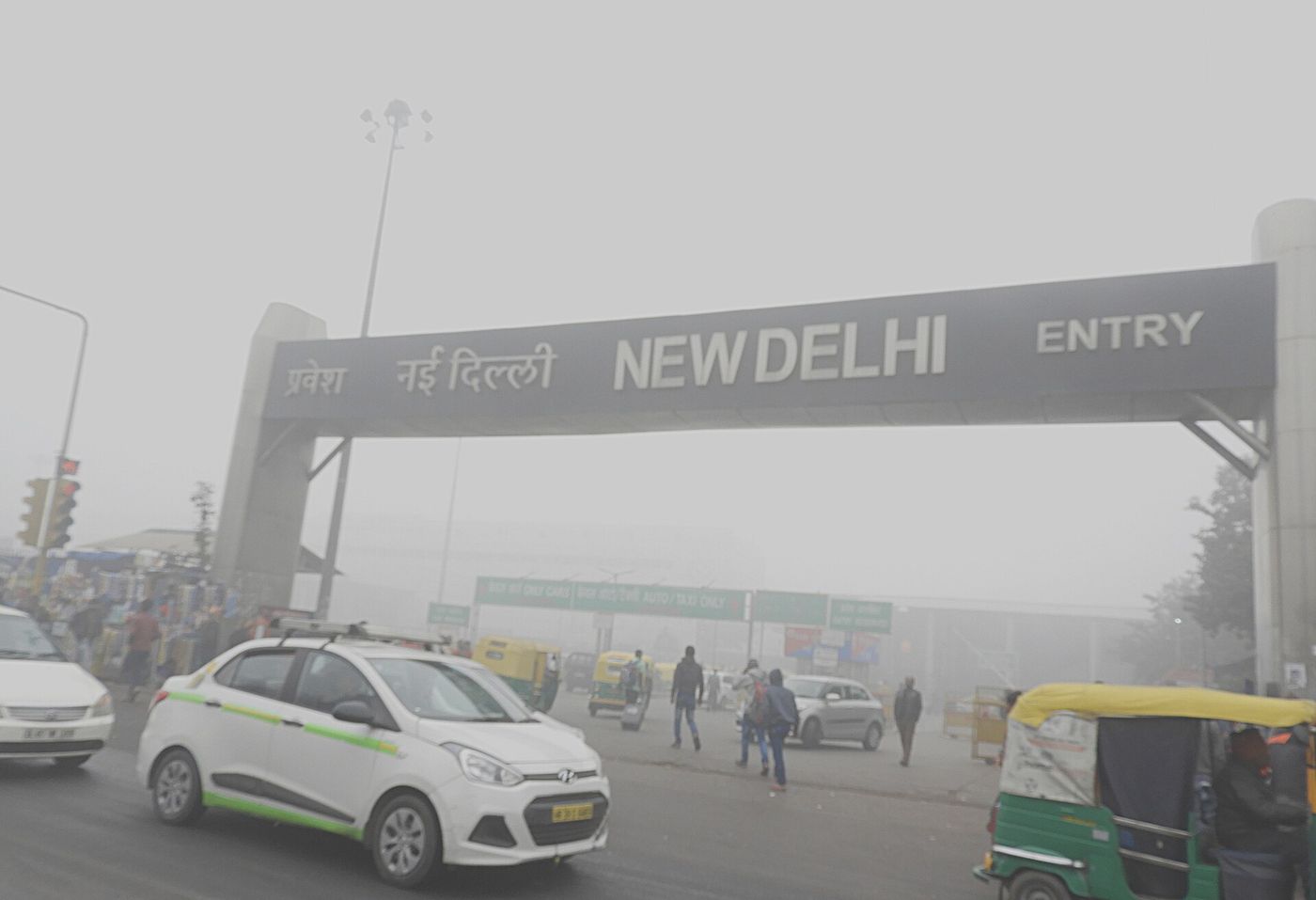
Delhi's air quality index reached 412 on Monday morning, its first reading in the “severe” band this year and the earliest such reading since 2016, after a week of still weather and the early start of crop stubble burning in the farm states to the north-west.
The reading, which measures fine particulate matter and other pollutants on a scale where anything above 300 is classed as very poor, triggered the third stage of the capital's graded response plan: a ban on construction and demolition, a halt to diesel generators, the closure of brick kilns within 300km and a rise in parking charges to discourage driving. Primary schools in three districts moved to online lessons.
The air in Delhi deteriorates every autumn as the monsoon winds drop and farmers in Punjab and Haryana burn the straw left from the rice harvest to clear fields for wheat. Satellite monitoring by the Indian Agricultural Research Institute counted 4,100 fires in Punjab in the first 12 days of October, against 1,800 in the same period last year, a rise officials attributed to an early harvest after a short monsoon.
“Every year we are told the fires will stop and every year the machines to clear the straw are not enough. I have 12 acres. The machine costs 2,000 rupees an acre to hire and the government gives me 1,000,” said Sukhwinder Singh, who farms near Sangrur in Punjab. “The wheat must go in within 15 days. A match is free.”
The fires are only one source. Studies by the capital's own pollution control committee attribute around 30% of Delhi's winter particulates to vehicles, 20% to industry and construction dust and 15-35% to stubble smoke depending on the wind. Diwali, when the city's 33 million residents set off fireworks despite a ban on their sale, falls on 8 November this year and typically produces the worst readings of the season.
At a hospital in south Delhi, Dr Anjali Mehra, a pulmonologist, said the respiratory clinic had seen a 40% rise in attendances in a week. “Children with asthma, elderly people with chronic lung disease, and increasingly young adults with no history at all who cannot finish a flight of stairs,” she said. “I tell patients to stay indoors with the windows shut and a purifier running. Most of my patients do not have a purifier. Many do not have windows that shut.”
Delhi has expanded its electric bus fleet to 2,800, closed its two coal power stations and built a ring road to keep lorries out of the city, and the long-term trend in its winter average has improved slightly since 2019. But a study published last year estimated that air pollution shortens the life of the average Delhi resident by around eight years.
The weather service forecasts no significant wind before the weekend.
Sign up to First Edition
Our morning email breaks down the key stories of the day, telling you what's happening and why it matters.
Privacy notice: newsletters may contain info about charities, online ads and content funded by outside parties.

