
Jordan begins £4bn pipeline to carry desalinated water 450km uphill to a capital rationed to one day a week
The Aqaba to Amman scheme will deliver 300m cubic metres a year by 2030 in one of the driest countries on earth
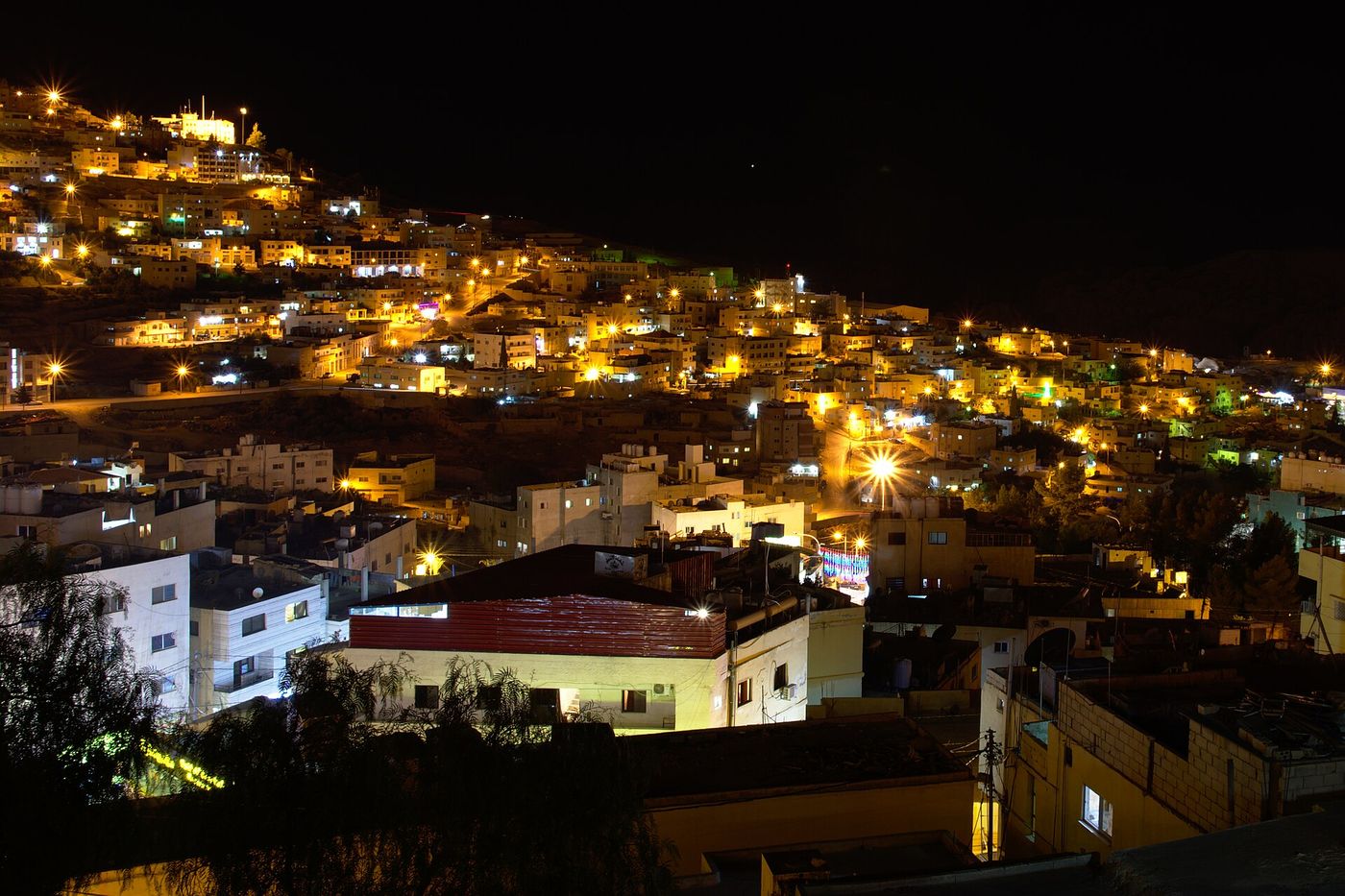
Jordan has begun construction of a pipeline that will carry desalinated Red Sea water 450km from Aqaba to Amman, climbing 1,200 metres on the way, in a $5.5bn (£4.1bn) project that the government says is the only way to keep the capital supplied beyond the end of the decade.
Work on the desalination plant at Aqaba and on the first 80km of pipe started last week after financing from the European Investment Bank, the United States and several Gulf development funds was finalised in September. The scheme will deliver 300m cubic metres a year from 2030, roughly a third of the country's current total supply, at a cost per cubic metre that the water ministry has acknowledged will be about three times what Amman's households currently pay.
Jordan has about 60 cubic metres of renewable fresh water per person per year, against a threshold for absolute scarcity of 500. Its population has grown from 5 million in 2000 to 11.5 million, swelled by refugees from Iraq and Syria, and its aquifers are being drawn down at twice the rate of recharge. In Amman, mains water is delivered to most districts for one day a week, sometimes less in summer, and families store it in the rooftop tanks that define the city's skyline.
“We fill the tanks on a Tuesday and by Sunday we are buying from the tanker. That is 25 dinars for three cubic metres, and in August the tanker does not always come,” said Rania Abu Zaid, 38, who lives with five family members in the eastern district of Marka. “A pipe from Aqaba in four years is good. We need the tanker to come next week.”
The project replaces a plan, abandoned in 2021, to pipe water from the Red Sea to the Dead Sea with Israeli participation. The new scheme is wholly Jordanian in ownership and the government has said that was deliberate. Operation of the plant will be contracted to a consortium led by a French water company for 25 years.
Dr Fadi Haddad, a hydrologist at the University of Jordan, said the pipeline was necessary but would not by itself solve the problem. “Half the water that enters the Amman network is lost to leaks and illegal connections before it reaches a tap. Desalinating water at great expense and pumping it up a mountain to lose half of it is not a strategy,” he said. “The pipeline buys time. The time has to be used on the pipes under the streets.”
The ministry said a parallel programme to reduce losses to 25% by 2032 was under way and that 310km of mains had been replaced in Amman since 2023. It also confirmed that the tariff for the desalinated water would be subsidised for households using less than 20 cubic metres a quarter.
The pipeline's route runs through Wadi Araba and the Dead Sea rift, one of the most seismically active areas in the region. Engineers said it had been designed to survive a magnitude 7 earthquake.
Sign up to First Edition
Our morning email breaks down the key stories of the day, telling you what's happening and why it matters.
Privacy notice: newsletters may contain info about charities, online ads and content funded by outside parties.

