
Kharkiv opens its 10th underground school as a city rebuilds while the shells still fall
About 9,400 children now study in bunkers and metro stations in Ukraine's second city, where reconstruction and bombardment run side by side
The bell rang at 8.30am on Monday for 620 children at School No 173 in Kharkiv's Saltivka district, and none of them could see the sky. The building is seven metres below ground, with walls a metre thick, its own water supply and air filtration, and corridors painted in the bright yellows and greens that the city's architects have settled on as the colour scheme of a childhood spent underground.
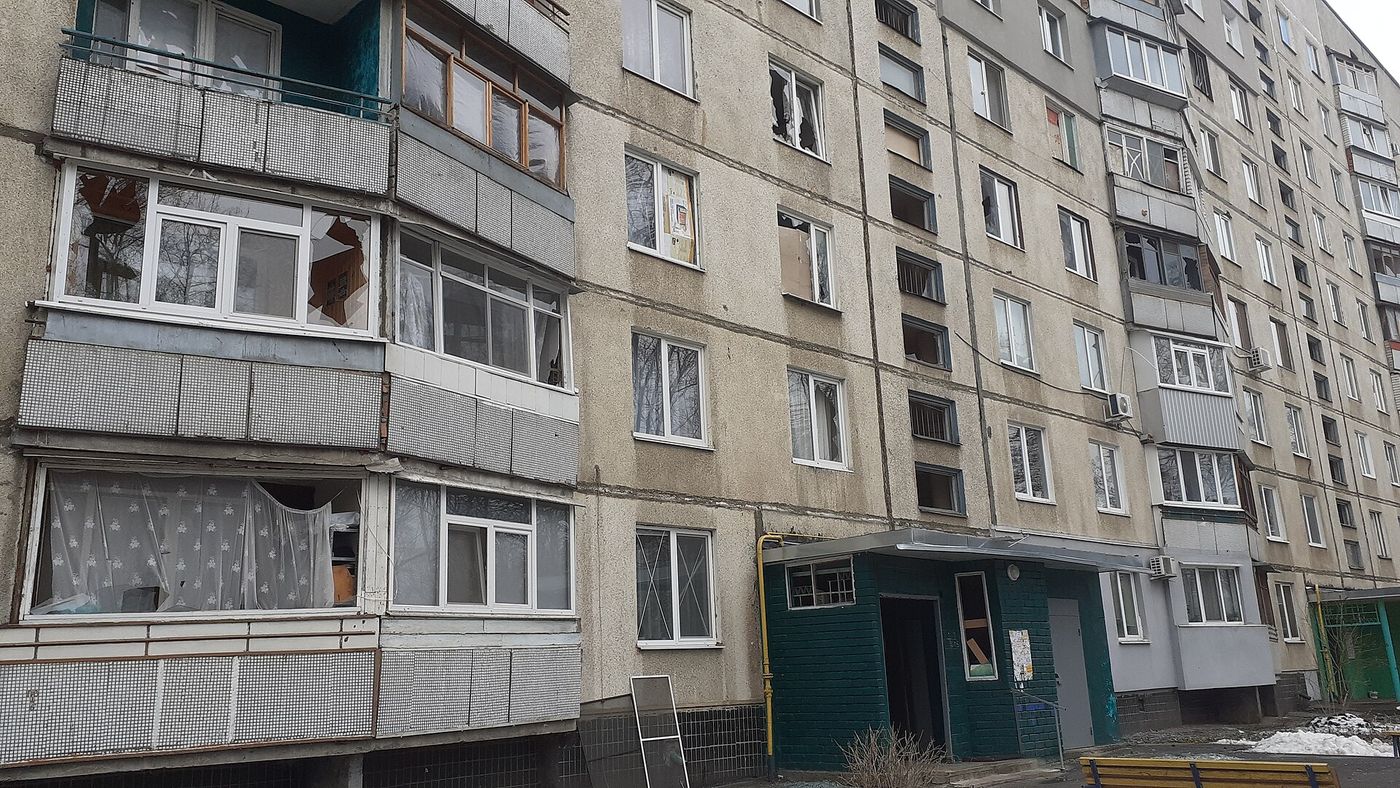
It is the 10th such school to open in Kharkiv since 2024, and with it some 9,400 of the city's children now attend lessons in person in bunkers or in the five metro stations that have been fitted out as classrooms. Another 60,000 still learn online. The city is 30km from the Russian border and is shelled or hit by drones most weeks; 24 of its 180 school buildings have been destroyed since 2022 and 90 damaged.
“Online learning for a seven-year-old is not learning. It is a tablet,” said Olena Kravchenko, the headteacher, who taught in the school's above-ground predecessor until a glide bomb took the roof off in 2024. “Here they have a teacher, a playground with a ceiling and other children. The parents ask only one thing, and I can say yes: it is safe.”
The school cost 390m hryvnia (£7m), financed by the city budget with grants from Denmark and a Swiss foundation. The city's reconstruction office said 2,100 damaged residential buildings had been repaired since 2022 and 180 rebuilt, that two of the three water treatment plants hit in 2024 were back in service and that the tram network, reduced to four lines at the worst point, was running 11.
The pattern of rebuilding under fire is being repeated across the country. The World Bank's most recent assessment put Ukraine's reconstruction needs at more than $520bn over a decade, a figure that rises with each winter's attacks on the power grid. International donors have so far committed around $90bn, much of it for emergency repairs rather than rebuilding, and the government has said that private investment will have to supply most of the rest.
In Kharkiv, that investment has begun to arrive in small amounts. A German manufacturer of ventilation equipment reopened a plant in the city's industrial zone in September with 300 workers; a Ukrainian furniture company has moved production there from Kyiv, where rents are higher. The regional chamber of commerce said 1,400 businesses had registered in the city in the first nine months of the year, the most since the full-scale invasion.
Iryna Bondarenko, whose daughter started in the second year at School No 173 on Monday, had moved to Poland in 2022 and came back in June. “My husband is here, my mother is here, my job is here,” she said. “I did not come back because it is safe. I came back because it is home and because there is a school. Those two things were enough.”
The city has planning permission for eight more underground schools. The next, in the northern Piatykhatky district, is due to open before the end of the year.
Sign up to First Edition
Our morning email breaks down the key stories of the day, telling you what's happening and why it matters.
Privacy notice: newsletters may contain info about charities, online ads and content funded by outside parties.

