
Venice doubles day-tripper fee to €10 and extends it to every day until November
The city collected €19m in 2026 from 1.9 million paying visitors, but residents say the numbers have barely moved
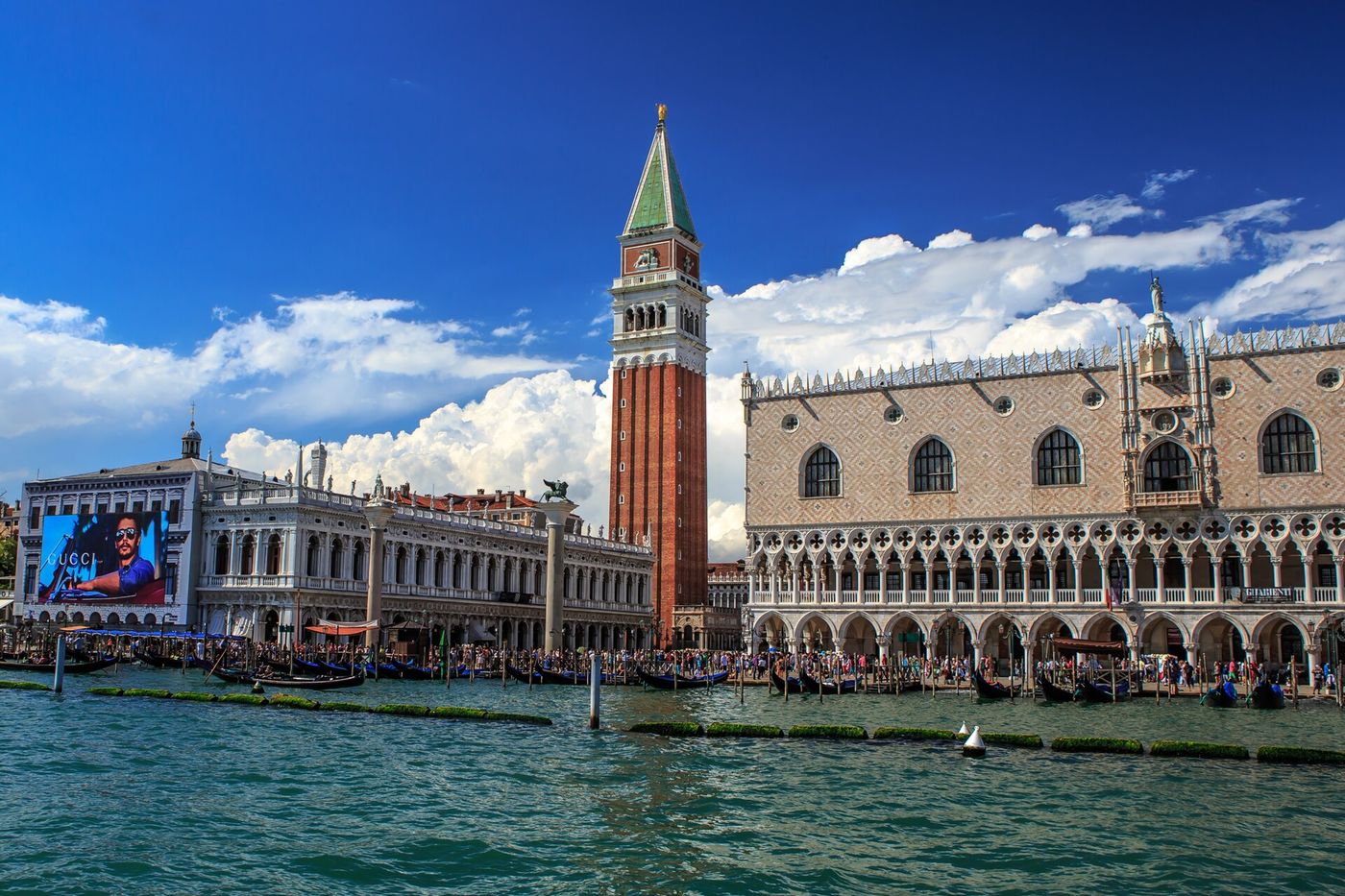
Venice will charge day visitors €10 on every day of the year from April 2027 after the city council voted on Thursday to make permanent and double a scheme that began as a 29-day experiment in 2024.
The fee, paid by anyone entering the historic centre between 8.30am and 4pm without a hotel booking, applied on 120 days this year and raised €19m from 1.9 million visitors. Under the new rules it will run from 1 April to 31 October on every day, with a lower charge of €5 for those who book more than four days ahead. Enforcement, until now limited to spot checks at the station and the Piazzale Roma bus terminal, will be extended to the cruise ship jetties and the Tronchetto car park.
The council said the aim was never revenue but “a measure of the pressure on a city of 48,000 residents that receives 30 million visitors”. The resident population of the historic centre fell below 48,000 in August, the first time it has dropped under that figure since the city began keeping records in the 19th century. In 1951 it was 175,000.
Whether the fee has changed anyone's behaviour is disputed. The council's own figures show that on days when the charge applied, arrivals were 7% lower than on comparable days in 2023. Critics say that is within the normal range of weather and strike effects. “Twelve million people paid or registered this year. That is not a deterrent, it is a turnstile,” said Giulia Bortolotto of Laguna Viva, a residents' group. “Nobody who has flown to Italy to see Venice turns back for ten euros.”
Marco Zennaro, who runs a 14-room hotel near the Rialto, said the measure had at least shifted the balance toward overnight guests. “A tourist who sleeps here spends €240 a day. A day tripper spends €38 and leaves a bottle in a bin,” he said. “If the fee tells people the city is worth staying in, good.”
The scheme has drawn attention from other European cities. Officials from Dubrovnik, Bruges and Amsterdam have visited to study it, and Barcelona's city council last month asked its lawyers whether a similar charge would be possible under Spanish law. A spokesperson for the Venice council said it had received “more than 40 formal requests for information from cities on four continents”.
Unesco, which threatened in 2023 to add Venice to its list of endangered heritage sites, is due to review the city's status in 2027. The agency has said it will look at resident numbers rather than visitor fees.
“The day the fee is judged a success,” Bortolotto said, “is the day the population goes up.”
Sign up to First Edition
Our morning email breaks down the key stories of the day, telling you what's happening and why it matters.
Privacy notice: newsletters may contain info about charities, online ads and content funded by outside parties.

