
Phone and laptop makers must supply spare parts for seven years under UK right-to-repair rules
Regulations laid before parliament will require batteries, screens and chargers to be available at ‘reasonable’ prices and software updates to continue for the same period
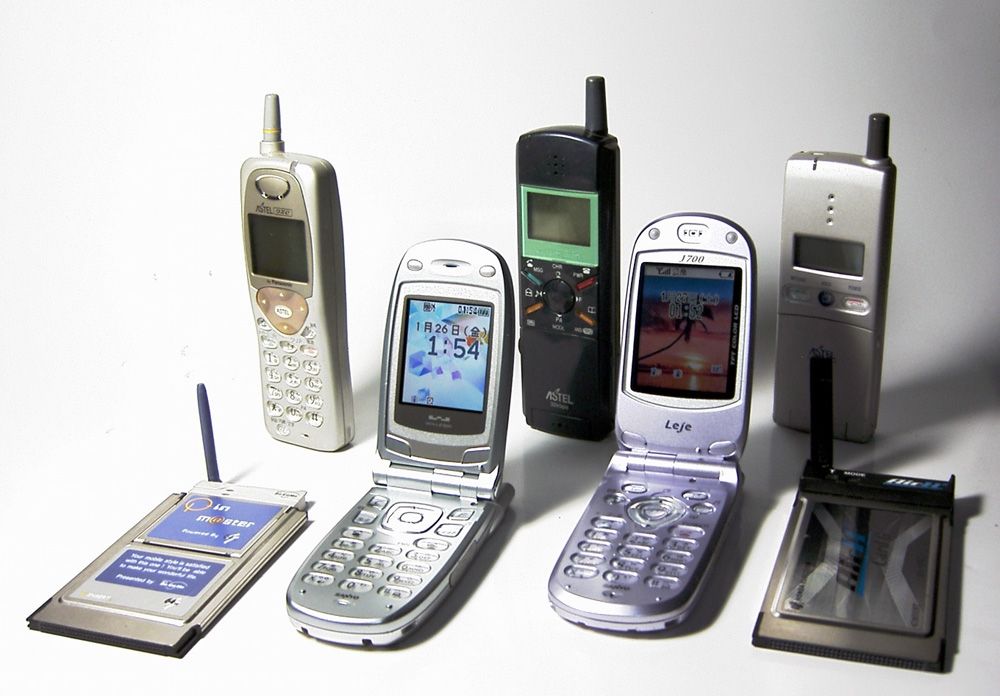
Manufacturers of smartphones, tablets and laptops sold in the UK will have to supply spare parts, repair manuals and software updates for seven years after a product is withdrawn from sale, under regulations laid before parliament on Tuesday that extend right-to-repair rules from washing machines and fridges to consumer electronics.
The rules, which take effect for products placed on the market from July 2027, require batteries, screens, cameras, charging ports and hinges to be available to professional repairers within 15 working days at a price the Department for Business and Trade describes as “reasonable in relation to the price of the product”. Batteries and screens must also be sold to consumers directly. Devices will have to carry a repairability score from A to E on the box and online.
The regulations go further than the EU’s equivalent, which took effect in 2025 and requires parts for five years. Officials said the longer period reflected evidence that British consumers keep phones for an average of three and a half years and laptops for nearly six.
“A £1,000 phone that becomes a paperweight because a £30 battery cannot be replaced is a waste of money for the owner and a waste of the materials in it,” a spokesperson for the department said. “This brings electronics into line with the rest of the household.”
The UK generates about 1.6m tonnes of electrical waste a year, the second highest per person in the world after Norway, and the Environment Agency estimates that 40% of discarded phones are fully working. Independent repair shops, which have fought for years for access to genuine parts and the software tools needed to pair them with devices, welcomed the rules.
“For a decade we have had to buy screens from a bloke in Shenzhen and hope,” said Bilal Qureshi, who runs three repair shops in Leicester and chairs a trade association for independent repairers. “The software pairing was the real killer. You could fit a perfectly good part and the phone would refuse to recognise it. This says they have to let us in.”
Manufacturers’ bodies have lobbied against the seven-year period and the price requirement. Tech UK, the industry group, said in a statement that the rules were “well-intentioned but risk mandating parts for products no one is repairing” and that the price provision was “unworkably vague”. One large manufacturer has argued in its consultation response that opening pairing software to third parties would weaken security.
Consumer group Which? said the rules were “a good start” but should be extended to headphones, smart speakers and games consoles, which were excluded from the first phase. The department said those categories would be considered in 2028 once the first rules had bedded in.
Sign up to First Edition
Our morning email breaks down the key stories of the day, telling you what's happening and why it matters.
Privacy notice: newsletters may contain info about charities, online ads and content funded by outside parties.

