
Canadian colleges shed 11,000 jobs as foreign student cap hollows out campus finances
Study permits have fallen 60% in two years, closing programmes from Ontario to British Columbia and leaving towns that grew around campuses with empty rooms
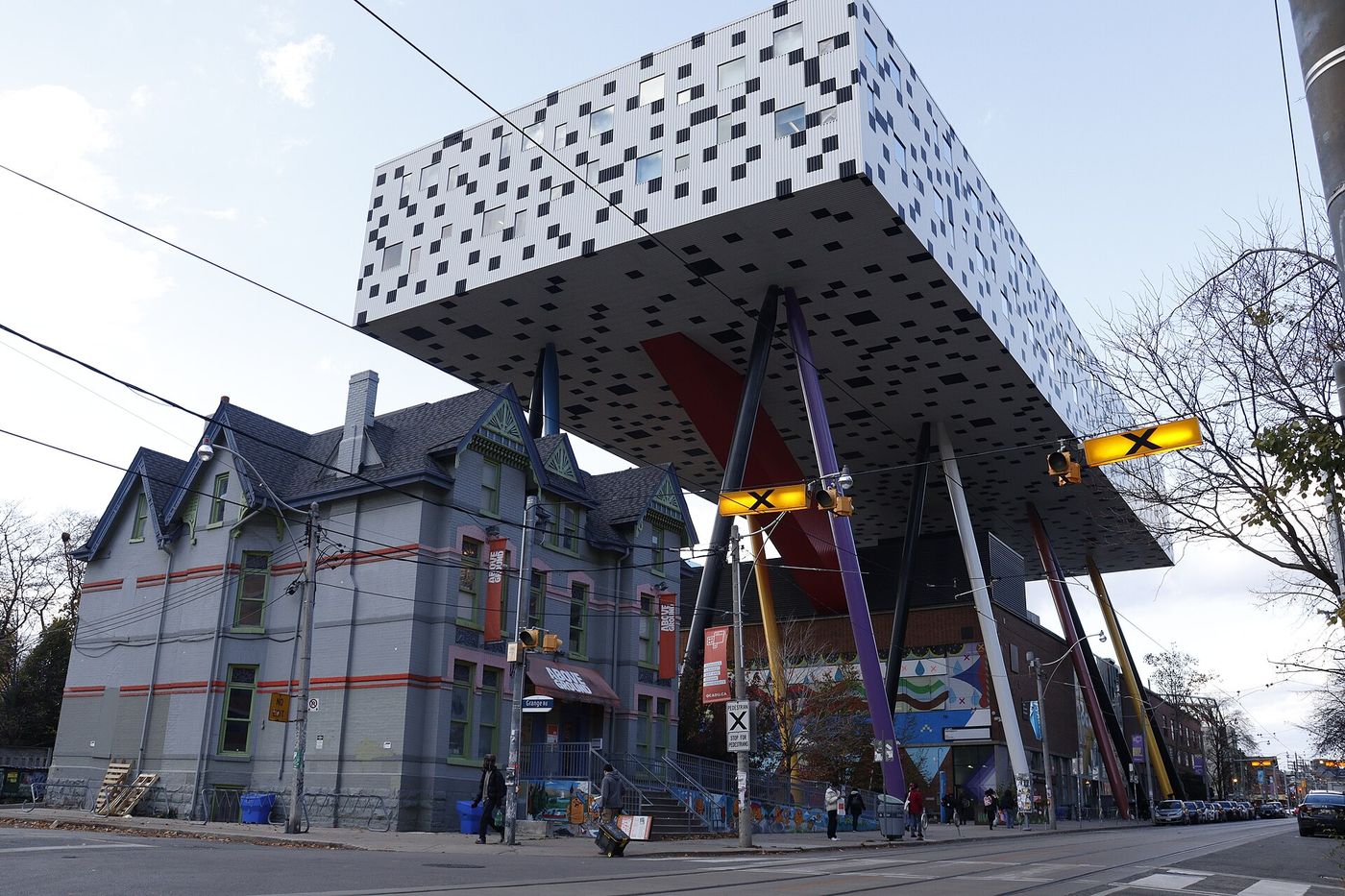
Canada's colleges and universities have cut more than 11,000 jobs since the federal government capped the number of international students in 2024, according to a tally published on Monday by the national colleges association, which said 140 of the country's public post-secondary institutions were now running deficits.
The cap cut the number of new study permits from 680,000 in 2023 to roughly 270,000 this year, a fall of 60%. The government imposed it in response to housing shortages and evidence that some private colleges were operating as visa mills. But public institutions, particularly Ontario's 24 colleges, had come to rely on foreign fees, which are typically four times those paid by Canadians, for up to 60% of their income.
Lakeshore College in Oakville, west of Toronto, has closed 38 of its 140 programmes since 2024, including nursing diplomas and skilled trades courses that had been full. “We built a campus for 22,000 students and we have 13,000,” said Dr Simon Beaudry, its vice-president. “The provincial grant per domestic student has not risen in cash terms since 2019. International students were not a luxury. They were the business model, and the model was ended in a press release.”
The association's figures show that about 7,000 of the lost jobs are in Ontario, 1,800 in British Columbia and the remainder spread across the other provinces. Most are contract teaching staff, but the tally includes 2,100 permanent positions. Three colleges have closed satellite campuses in smaller towns outright; in Timmins, Ontario, the local college's enrolment has fallen by half and the town's largest landlord has 400 empty rooms.
The government has said the cap was necessary and that the sector had expanded faster than the housing and health systems around it could bear. It has pointed to a fall in rents for shared accommodation in Toronto and Vancouver of around 8% since 2024 as evidence that the policy is working.
Priyanka Sharma, 23, from Ahmedabad, is in the second year of a business diploma at Lakeshore and arrived under the old rules. “Half my class is Canadian now, which is better for my English. But my cousin was going to come next year and she cannot get a permit,” she said. “Everyone in India knows Canada has closed the door. They are looking at Germany.”
Universities Canada, which represents the research universities, said the cap had hit colleges hardest but that eight universities, mainly in Ontario and the Atlantic provinces, were also in deficit. A spokesperson said the sector was asking provinces for a 15% rise in per-student funding and a multi-year permit allocation so that institutions could plan.
The cap is due to be reviewed in 2027. The government has indicated that it will not be lifted.
Sign up to First Edition
Our morning email breaks down the key stories of the day, telling you what's happening and why it matters.
Privacy notice: newsletters may contain info about charities, online ads and content funded by outside parties.

