
Japan records deadliest bear season as acorn failure drives animals into towns
Fourteen people have been killed and more than 200 injured since April, and the government has deployed soldiers to help cull bears in Akita
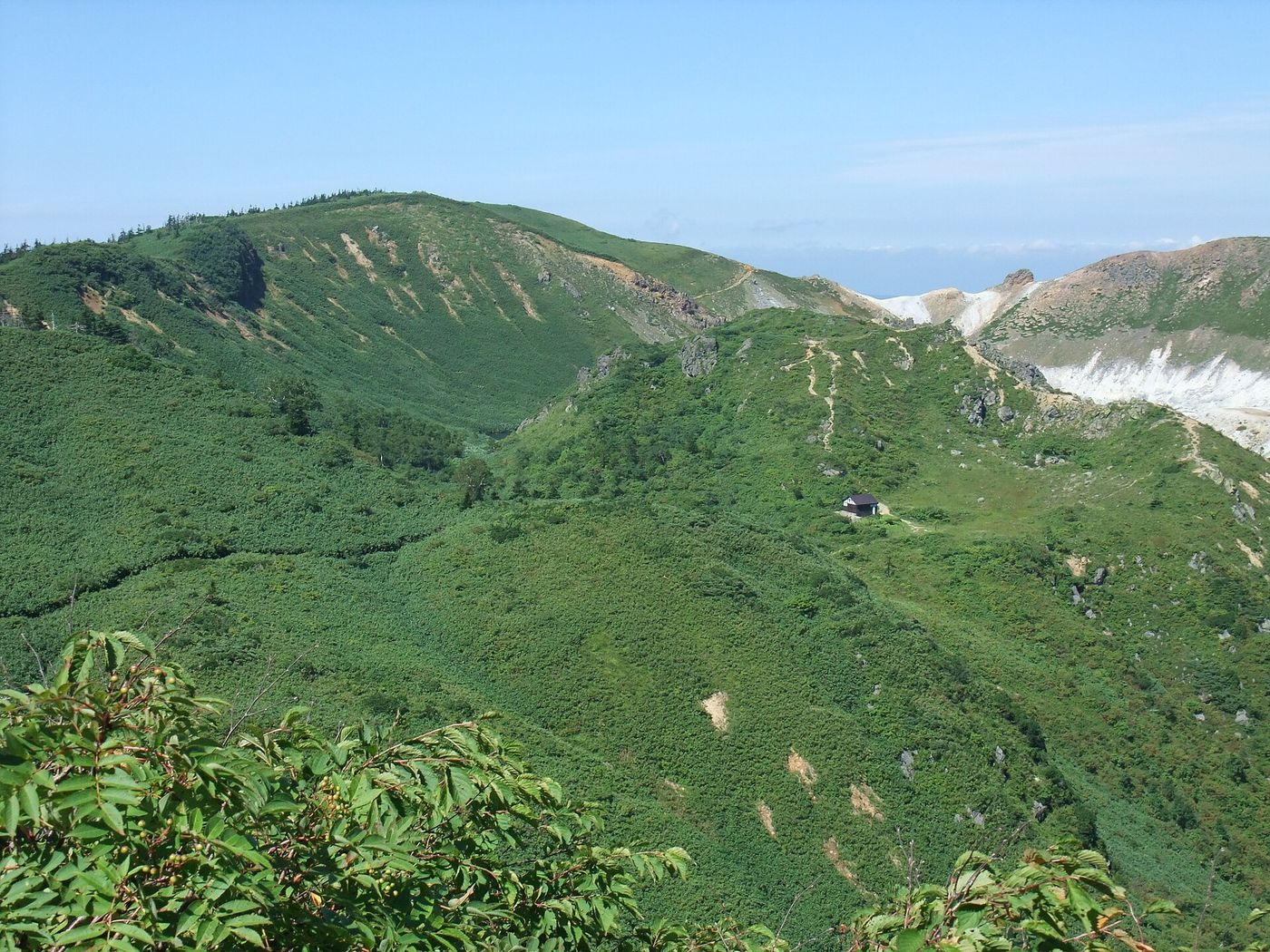
Japan has recorded its deadliest year of bear attacks, with 14 people killed and 213 injured since April, after a failure of the beech and oak crop in the northern mountains sent thousands of animals into villages, towns and, in two cases this month, supermarkets.
The environment ministry's figures, published on Friday, already exceed the previous record of 2025, with the most dangerous weeks of the year, when bears feed intensively before hibernation, still to come. The attacks are concentrated in Akita, Iwate and Aomori prefectures, where Asian black bears have been seen in school grounds, railway stations and the car park of a prefectural hospital.
Akita, which has recorded six of the deaths, asked the national government last week for help, and 60 soldiers from the Self-Defence Forces have been deployed to set traps, transport carcasses and escort hunters. It is the first time the military has been used for wildlife control. The prefecture has culled 2,400 bears since April, four times its annual average, and has run out of storage for the bodies.
“I have hunted bears for 50 years and I have never seen them like this. They are thin, they are not afraid and they are in the town at noon,” said Hiroshi Tanaka, 72, who leads a hunters' association in the Akita town of Kazuno. “The forest has nothing for them. We are the forest now. The young men do not hunt, so it is us old men with 60 soldiers.”
Japan's bear population has been growing for three decades, as rural depopulation returns farmland to forest and the number of licensed hunters, now about 200,000 with an average age over 65, falls. The environment ministry estimates 44,000 black bears on the main island of Honshu and 12,000 brown bears on Hokkaido. The acorn crop, on which the black bears depend in autumn, fails roughly one year in five; this year's failure is the worst since 2010.
Dr Yuki Sato, an ecologist at Iwate University who tracks the animals with GPS collars, said the pattern was no longer cyclical. “A bad acorn year used to mean bears at the edge of villages for a month. Now it means bears in the villages, because the villages are half empty and the edge has moved,” she said. “We have an ageing human population retreating and a bear population advancing. Culling 2,400 bears does not change that. It only changes this year.”
The government relaxed the law in September to allow local councils to authorise shooting in residential areas without a police order, a change hunters had sought for years. Schools in the affected prefectures have cancelled outdoor activities, and the ministry has distributed 40,000 bear bells to walkers.
Bears typically enter hibernation in late November. Officials said that this year some might not, because they had not eaten enough to do so.
Sign up to First Edition
Our morning email breaks down the key stories of the day, telling you what's happening and why it matters.
Privacy notice: newsletters may contain info about charities, online ads and content funded by outside parties.

