
Council housebuilding outstrips right to buy sales for first time since 1980
Local authorities in England completed 9,800 homes last year and sold 6,200, after discounts were cut and councils allowed to keep all sale receipts
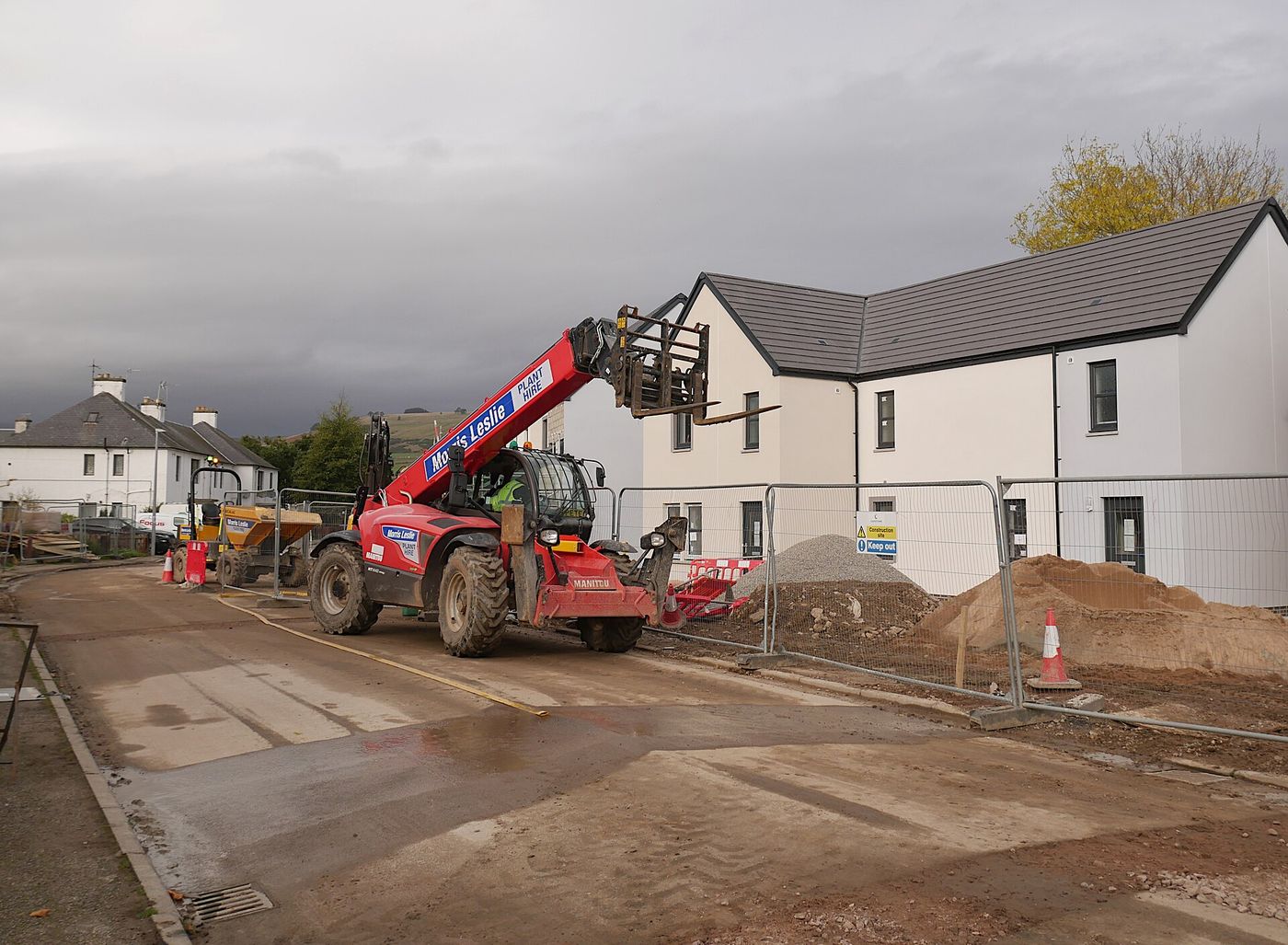
Councils in England built more homes than they sold under right to buy last year for the first time since the policy was introduced in 1980, according to figures published on Thursday, after the maximum discount was cut to £16,000 outside London and councils were allowed to keep the full proceeds of sales to reinvest.
Local authorities completed 9,800 homes in 2025-26, the highest number since 1991, and sold 6,200 to tenants, the lowest number since 2009. The net gain of 3,600 homes compares with a net loss of 7,400 the year before the discount was cut. Councils have lost about 2 million homes to right to buy since 1980 and replaced fewer than a quarter of them.
Leeds completed 740 homes, Birmingham 620 and Southwark 580, with the largest percentage increases in smaller authorities that had not built in decades. Councils are now the fourth-largest housebuilders in the country after the three biggest private developers.
“For 40 years we were a landlord in managed decline. Every home we sold at a 60% discount was one we could not replace,” said Cllr Jane Pollard, executive member for housing at Leeds city council. “The moment the discount came down and we kept the receipts, the sums worked. We have 2,100 homes on site now. We have not built at that rate since my parents were children.”
Housing campaigners welcomed the figures but noted that the social housing waiting list in England stood at 1.4 million households, and that 125,000 households, including 160,000 children, were living in temporary accommodation. At the current rate, councils would take 15 years to replace the homes lost in the five years before the discount was cut.
Michelle Garvey, 38, moved into a new council house in Seacroft, Leeds, in August with her two children after four years in a one-bedroom flat provided as temporary accommodation. “The kids had never had a bedroom door. The first night, my son closed his and I stood on the landing and cried,” she said. “It is a council house. People say that like it is a bad thing. It is a house. It is ours as long as we need it.”
The reduction in the discount, from a maximum of £102,400 outside London, was opposed by groups representing tenants who argue that right to buy has lifted 2 million households into ownership. Sales to tenants fell by 43% in the year after the change. The Chartered Institute of Housing said the figures showed the policy had been “a transfer of public assets to a lucky minority” and that the new balance was “about where it should have been in 1985”.
A government spokesperson said council housebuilding was “at the heart” of its target of 1.5 million homes by 2029 and that councils would receive a further £2bn in grant next year. The Treasury has resisted calls to abolish right to buy entirely, as Scotland did in 2016 and Wales in 2019.
Sign up to First Edition
Our morning email breaks down the key stories of the day, telling you what's happening and why it matters.
Privacy notice: newsletters may contain info about charities, online ads and content funded by outside parties.

