
Council tax: how to check your band and claim the discounts worth up to £2,000 a year
Bills are set to rise by up to 5% again in April, but around 3 million households are missing reductions they are entitled to, from the single-person discount to full exemptions
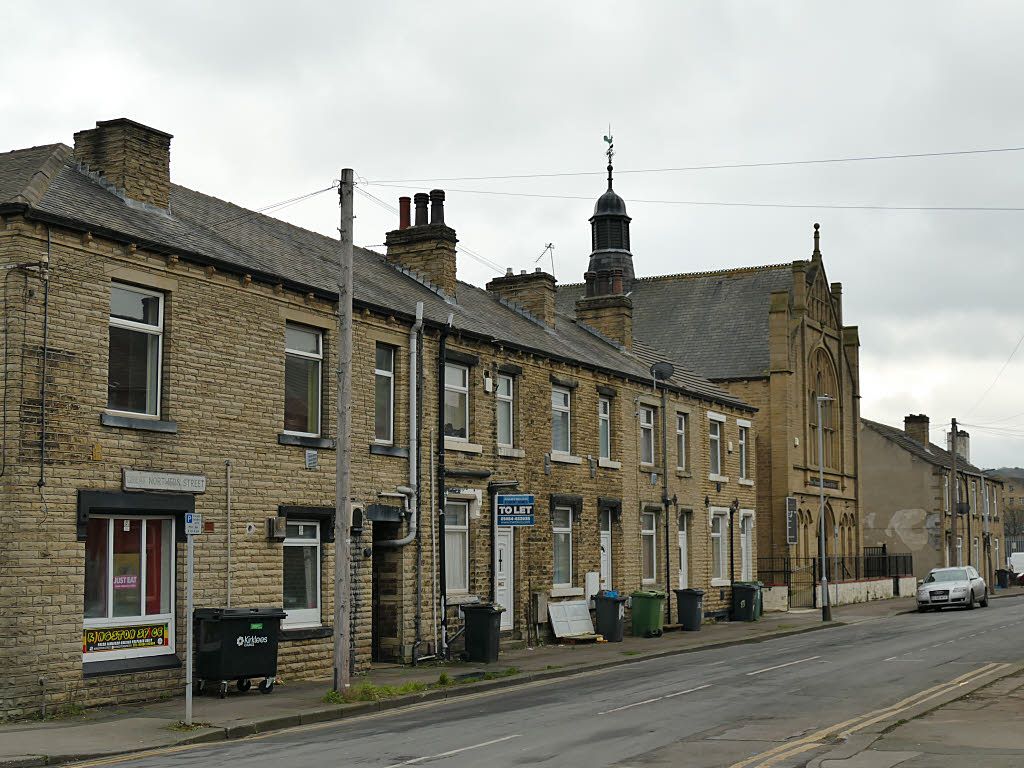
Council tax bills in England rose by an average of £109 in April to £2,280 for a band D home, and councils have been told they can increase them by up to 5% again next spring. It is the one household bill that cannot be shopped around, but it is also the one with the most discounts going unclaimed. Here is how to make sure you are not paying more than you should.
Start with the band. Every home in England and Scotland is placed in a band based on what it was worth in April 1991, and the valuations were done quickly, often from the street. The Valuation Office Agency says about one in 20 challenges results in a lower band, and a successful challenge is backdated to when you moved in, which for long-standing residents can mean a refund of several thousand pounds. Check what band your neighbours in identical houses are in on the VOA website before applying, and be aware that a challenge can also result in a higher band, although this is rare.
The single-person discount is the most commonly missed. If you are the only adult in your home, your bill is cut by 25%, worth about £570 a year on a band D property. “Adult” has a specific meaning: full-time students, apprentices on low pay, people with severe mental impairment, live-in carers for someone who is not their partner and under-18s are all disregarded. A parent living with a student son or daughter, for instance, should be receiving the discount. Councils estimate that about 10% of eligible households do not claim it.
Some households pay nothing. A property occupied only by full-time students is exempt, as is one where everyone has a severe mental impairment, a category that includes dementia and some stroke survivors, and which requires a doctor’s certificate and entitlement to a qualifying benefit. “The severe mental impairment exemption is the one that upsets me most,” said Linda Carrow, a welfare rights adviser at the charity Money Matters North East. “We see families paying full council tax on a home where the only resident has advanced dementia, for years, because nobody told them. It can be backdated to the date of diagnosis.”
The disabled band reduction scheme moves a home down one band if it has been adapted for a disabled resident, for example with a downstairs bathroom or extra space for a wheelchair, and is worth about £250 a year on band D.
Council tax support, the means-tested reduction for people on low incomes, is run separately by each council in England and can cut a bill by up to 100%. Since 2013 most councils have required working-age claimants to pay at least 10% to 20% of their bill, but pensioners on pension credit usually pay nothing. Ms Carrow said the scheme was “the single biggest unclaimed benefit in the country”, with an estimated £2.8bn going unclaimed each year, and that a claim takes about 20 minutes on the council’s website.
Finally, if you are behind, do not ignore it. Council tax arrears escalate faster than almost any other debt: a missed instalment can trigger a demand for the full year within a fortnight, followed by a liability order and bailiffs’ fees of £310 or more. Councils are required to offer a repayment plan, and most will spread the debt over 12 months if asked before the liability order is granted. Citizens Advice and StepChange can negotiate on your behalf for free.
Bills for 2027-28 will be set by councils in February. Any discount or exemption you qualify for can be claimed at any point in the year, and most are backdated.
Sign up to First Edition
Our morning email breaks down the key stories of the day, telling you what's happening and why it matters.
Privacy notice: newsletters may contain info about charities, online ads and content funded by outside parties.

